Hightouch Achieves $100M ARR with AI-Driven Marketing Solutions
In the ever-evolving landscape of digital marketing, the demand for personalized and efficient content creation has never been higher. Traditionally, marketers depended heavily on designers and creative teams to craft bespoke images and videos for online advertising campaigns. This process, while effective, often proved time-consuming and resource-intensive.
Enter Hightouch, a seven-year-old startup that has revolutionized this paradigm by integrating artificial intelligence into the marketing workflow. In late 2024, Hightouch unveiled an AI-powered service designed to empower marketing professionals to generate custom content autonomously, eliminating the need for constant collaboration with design teams or external agencies. This innovation has been embraced by prominent brands such as Domino’s, Chime, PetSmart, and Spotify, all of whom have leveraged Hightouch’s platform to streamline their marketing efforts.
The impact of this AI-driven approach has been profound. Since the launch of its AI product 20 months ago, Hightouch has experienced a remarkable surge in growth, adding $70 million in annualized recurring revenue (ARR). This achievement has propelled the company’s total ARR to an impressive $100 million, underscoring the market’s appetite for efficient and scalable marketing solutions.
Kashish Gupta, co-CEO of Hightouch, highlighted the transformative nature of generative AI in the creative process. Before Gen AI, it was impossible for someone without many, many years of design skills to create consumer-level assets, Gupta remarked. This sentiment reflects the democratization of content creation, enabling marketers without extensive design backgrounds to produce high-quality materials.
However, Hightouch’s innovation extends beyond the capabilities of standard AI models. Many brands initially experimented with general foundational models—broad AI systems that power tools like chatbots—but encountered challenges in maintaining brand consistency. These models often lacked the nuanced understanding of specific brand elements, leading to outputs that failed to align with established brand identities.
Gupta elaborated on this issue, stating, Foundation models didn’t know about specific consumer brands, whether it was colors or fonts, tone, or assets. The LLMs would hallucinate products that didn’t exist, and you can’t do advertising and emails on products that don’t exist. This highlights the limitations of generic AI models in capturing the unique attributes of individual brands.
To address this challenge, Hightouch has developed a solution that integrates directly with a company’s existing creative tools, such as the popular design platform Figma, photo libraries, and content management systems (CMS). By accessing these resources, Hightouch’s platform learns a company’s specific brand identity, including its color schemes, fonts, tone, and proprietary assets. This deep integration ensures that the AI-generated content remains true to the brand’s established guidelines.
Hightouch’s AI agents utilize this comprehensive understanding to assist marketers in building personalized ad campaigns autonomously. This approach not only accelerates the content creation process but also reduces the dependency on designers and developers, allowing for more agile and responsive marketing strategies.
The primary objective of Hightouch’s AI is to produce images and videos that are indistinguishable from those crafted by professional designers. This focus on quality addresses the common perception of AI-generated content as being fake or generic. By leveraging existing brand assets and adhering to established design principles, Hightouch ensures that the output maintains a high standard of authenticity and professionalism.
For instance, in the case of Domino’s, the AI does not generate new images of pizzas. Instead, it utilizes existing photographs of their products, placing them into ads where the background and other elements might be generated. This method preserves the integrity of the brand’s visual identity while allowing for creative flexibility in the surrounding design elements.
Hightouch’s journey to this milestone has been marked by strategic growth and innovation. The company, which now employs approximately 380 people, achieved a valuation of $1.2 billion in February 2025 following an $80 million Series C funding round led by Sapphire Ventures. This investment has fueled the development of their AI capabilities and expanded their market reach.
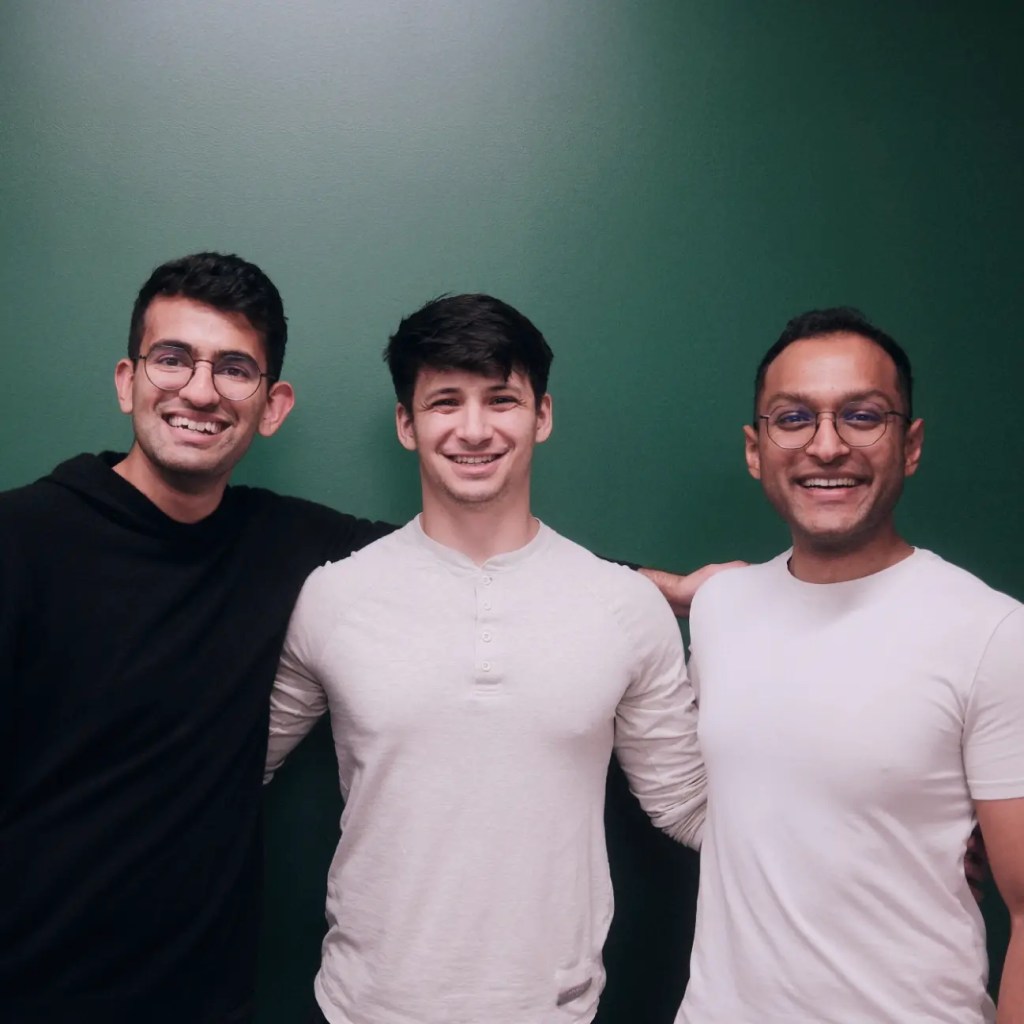
The leadership team at Hightouch brings a wealth of experience to the table. Co-CEO Tejas Manohar, a former engineering manager at Segment—a customer data platform acquired by Twilio for $3.2 billion in 2020—has been instrumental in steering the company’s technical direction. Alongside Gupta, the team has focused on creating solutions that bridge the gap between data and marketing teams, enabling more cohesive and data-driven strategies.
Hightouch’s success story is a testament to the transformative potential of AI in the marketing domain. By addressing the challenges of brand consistency and content creation efficiency, the company has positioned itself as a leader in the martech space. As the digital marketing landscape continues to evolve, Hightouch’s innovative approach offers a glimpse into the future of personalized and scalable marketing solutions.