An original Apple-1 computer, famously known as the “Hatfield” unit, sold at auction for a jaw-dropping $1,148,200 — setting a new high-water mark for one of the most iconic artifacts in computing history.
What makes this Apple-1 special?
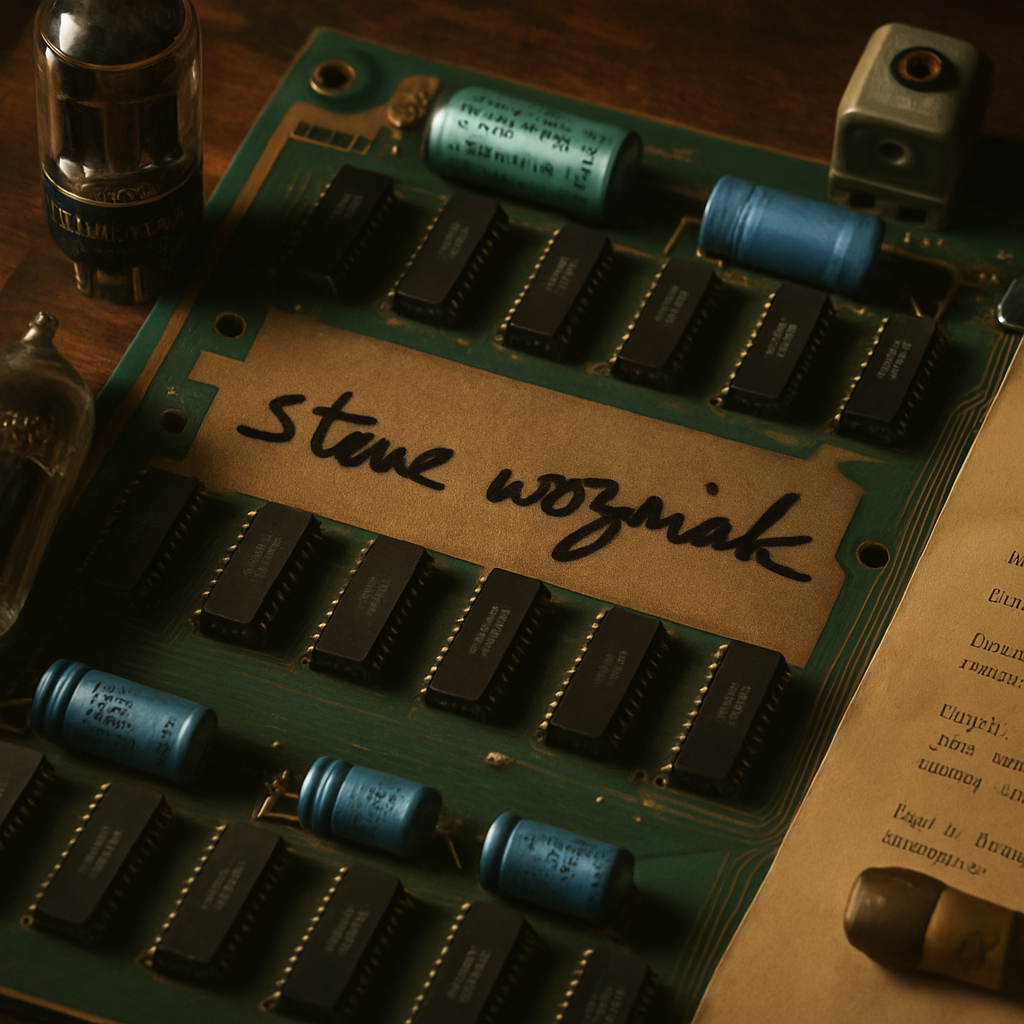
This particular Apple-1 isn’t just rare because it still works — it once belonged to Fred Hatfield and carries Wozniak’s signature on its motherboard. It also came with a personal letter from Steve Jobs. That letter proposed a trade: Hatfield was offered an Apple II in return, after expressing frustration over the limited software options available for the original machine.
That offer was turned down, and now, over a decade later, the decision looks prescient. Back in 2013, this same computer fetched $686,000 during a prior sale. This time, its condition, provenance (full traceability to the original owner), and complete documentation tipped the scales higher — pushing the price past one million dollars and into the record books. It sold via Bonhams in an online auction setting.
Why this matters for vintage tech and collectors
This sale underscores how artifacts from tech’s early days continue to appreciate — especially items with clear history, signatures from founders, and documented ownership. It’s not enough just to own an old circuit board; provenance and historical context drive value. For Apple-1 units, which already live on a rarefied tier, this kind of sale becomes a statement about how much collectors are willing to pay for pieces of personal computing lore.
Above all, the “Hatfield” Apple-1 stands as a reminder that early computing wasn’t just about wires and chips — it was about big ideas, strong personalities, and decisions that ripple decades forward, from rejecting an upgrade to becoming a priceless relic.
For those watching the vintage hardware market, this is one to keep an eye on. When provenance, condition, and personality align, a computer can become a legend — and a last-record price can be just the start of where things are headed.