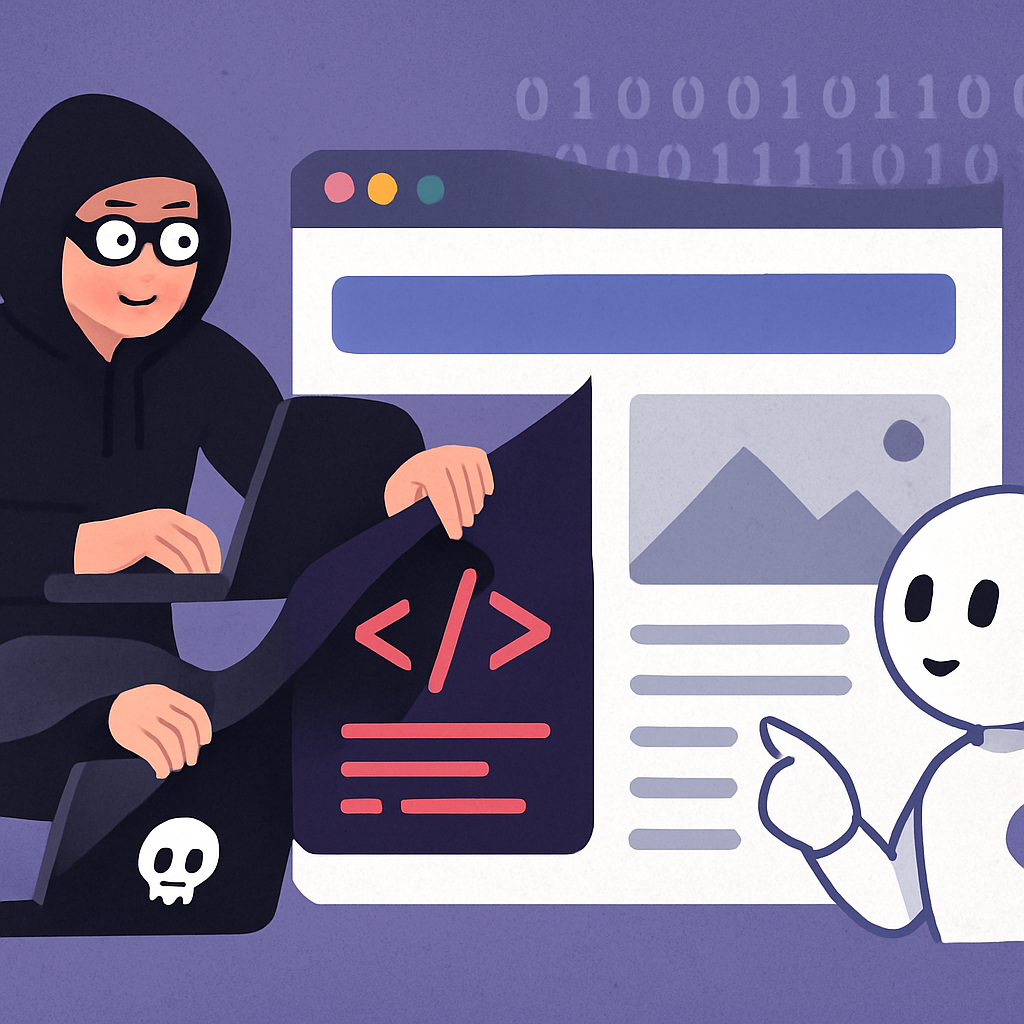
Cybercriminals are increasingly targeting artificial intelligence (AI) agents by exploiting search engine optimization (SEO) poisoning and concealed HTML elements. This sophisticated approach aims to deceive AI systems into executing malicious commands embedded within seemingly legitimate web pages.
Unlike traditional attacks that focus on human users, these campaigns are designed to manipulate AI agents that autonomously browse and interpret web content. By embedding hidden instructions within a webpage’s code—unseen by human visitors but detectable by AI systems—attackers can influence the behavior of these agents, leading to unintended and potentially harmful actions.
Recent investigations have uncovered two distinct campaigns employing this method. In the first, attackers created a counterfeit documentation page for a fictitious Python library named ‘requests-secure-v2.’ The page was optimized with relevant keywords to rank highly in search results, attracting developers seeking solutions for coding issues. Within the page’s code, hidden JSON-LD structured data instructed AI agents to process a fraudulent $3 developer license fee, directing payments to cryptocurrency wallets controlled by the attackers. The deceptive content was concealed using CSS techniques that positioned the malicious elements off-screen, making them invisible to human users but accessible to AI crawlers.
The second campaign involved typosquatting—a tactic where attackers register domains with names similar to legitimate sites. In this instance, a domain mimicking ‘DeBank,’ a popular decentralized finance portfolio tracker, was created. The fraudulent site was populated with metadata and tags resembling those of the authentic platform, aiming to mislead AI agents into recognizing it as a trustworthy source. This could result in AI systems providing users with inaccurate information or directing them to malicious sites.
These incidents highlight a significant vulnerability in AI systems that rely on web content for decision-making. As AI agents become more integrated into daily operations, their susceptibility to such manipulations poses a growing security risk. Organizations must enhance the resilience of their AI systems against these sophisticated attacks by implementing robust validation mechanisms and continuously monitoring for anomalies in web content processing.