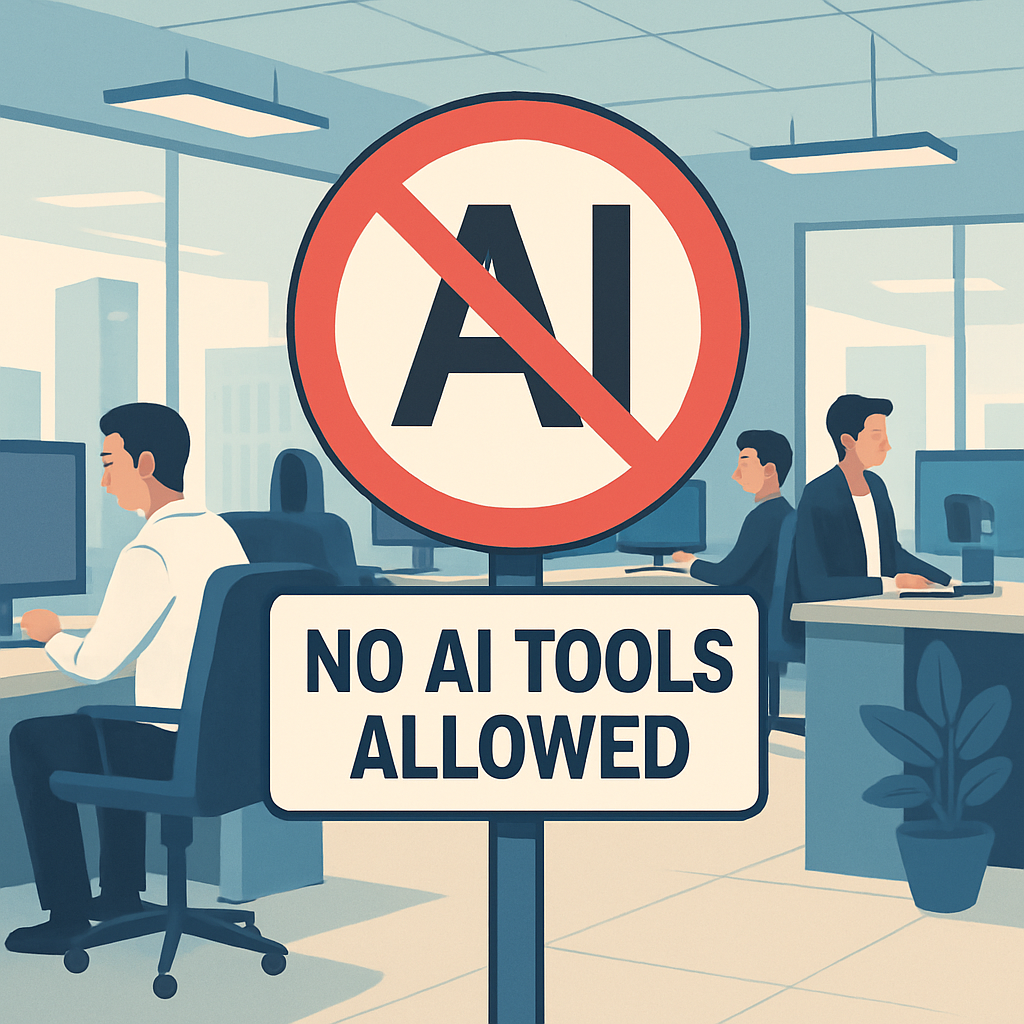
Alibaba is reportedly planning to prohibit the use of Anthropic’s Claude Code within its internal systems starting July 10, 2026, due to concerns over potential embedded backdoors. While the company has yet to officially confirm this decision, it has not responded to media inquiries regarding the matter.
The controversy stems from allegations that Claude Code, an AI-powered command-line coding assistant developed by Anthropic, may include hidden mechanisms capable of detecting specific network environments. These claims were brought to light by a Reddit user known as “LegitMichel777,” who, on June 30, detailed their reverse-engineering efforts aimed at reactivating a disabled remote-control feature within the tool.
According to the technical analysis provided, versions of Claude Code since 2.1.91, released on April 2, purportedly perform silent checks on users’ proxy configurations and system time zones. These checks are allegedly cross-referenced against concealed lists containing identifiers associated with Chinese enterprises, including Alibaba, Baidu, ByteDance, and Moonshot AI.
Rather than transmitting explicit telemetry data, the tool is said to encode detection results by subtly modifying internal system prompts. This includes changes such as altering date formats or swapping punctuation characters, effectively creating a covert signaling method. Security analysts note that such techniques could evade traditional monitoring tools, complicating detection efforts.
Anthropic has not issued a formal public statement addressing these allegations. However, a member of the Claude Code team reportedly stated on social media that the mechanism was designed to prevent account abuse, model distillation, and unauthorized access. The company indicated that this feature would be removed in an upcoming release, with remediation efforts reportedly beginning around July 1.
This development occurs amid escalating tensions between Alibaba and Anthropic. In June, Anthropic accused entities linked to Alibaba’s Qwen AI lab of conducting large-scale model distillation, allegedly using nearly 25,000 accounts to extract AI capabilities. According to a Reuters report, this campaign reportedly generated over 28 million interactions in six weeks. Alibaba has not publicly responded to these allegations.
Security experts emphasize the need for independent verification, as no third-party cybersecurity firm has yet confirmed the presence of a backdoor or validated the reverse-engineering claims. This leaves open the possibility that the feature was either a defensive anti-abuse mechanism or an unintended privacy risk affecting legitimate users.
If implemented, Alibaba’s restriction would mark one of the first enterprise-level bans specifically targeting an AI coding assistant over suspected covert behavior. This decision could prompt other organizations to reassess the security posture of AI development tools, particularly those operating in sensitive or regulated environments.
As the July 10 deadline approaches, both Alibaba and Anthropic face increasing scrutiny from the cybersecurity community. There are growing calls for greater transparency, independent audits, and clearer disclosure of embedded security mechanisms in AI-powered tools.
This situation underscores the critical importance of trust and transparency in AI tools, especially those integrated into enterprise environments. Organizations must remain vigilant, ensuring that the tools they adopt do not inadvertently introduce security vulnerabilities or privacy concerns. The outcome of this dispute may set a precedent for how companies evaluate and trust AI solutions in the future.