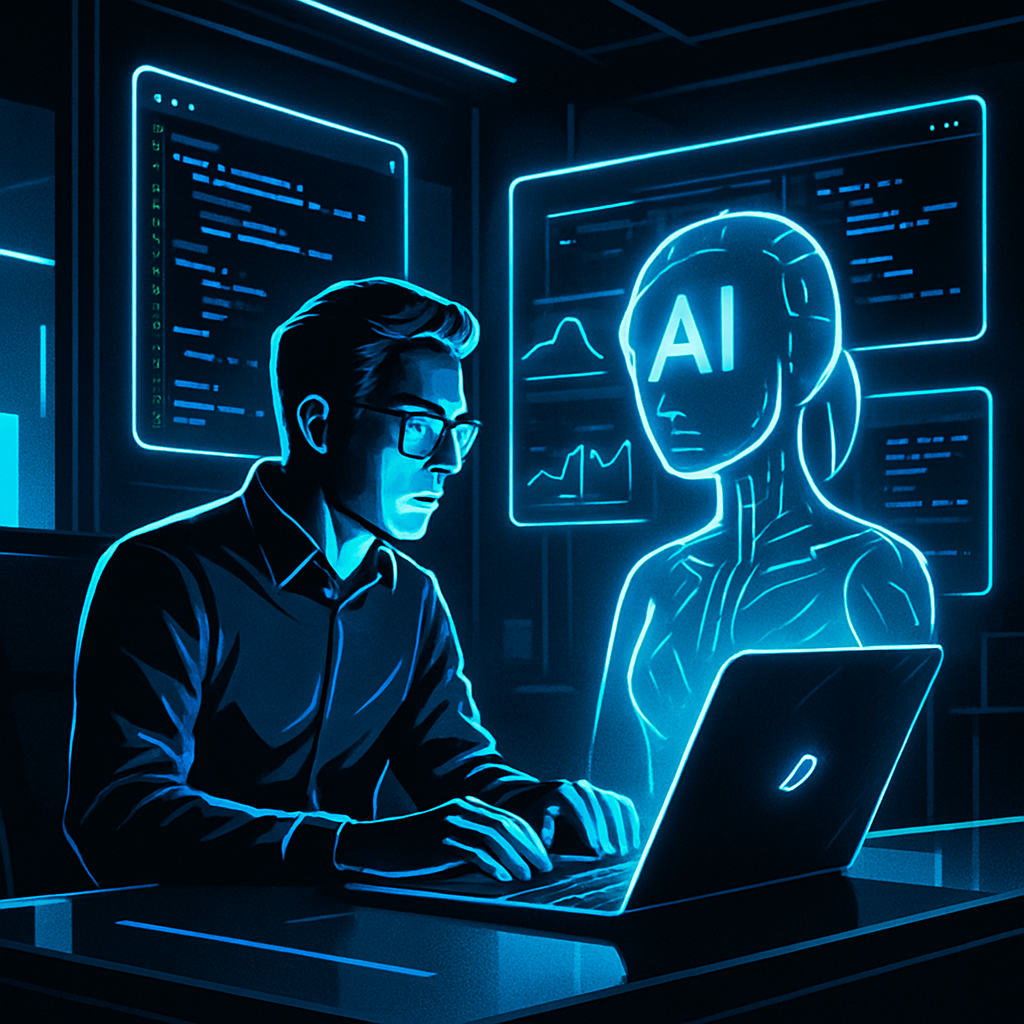
HackerRank is rolling out a new AI-powered interviewer called Chakra that aims to transform how developers are evaluated. Rather than just checking whether someone gets the right answer, Chakra observes how they approach the problem — examining critical thinking, judgment, and an ability to prompt and steer AI tools effectively. This shift in assessment reflects the rising importance of AI fluency in technical roles.
After about six months of beta testing, during which Chakra conducted over 500,000 interviews with companies like Snowflake, Snorkel, and Capgemini — plus internal use at HackerRank — the platform is now generally available to its customers.
How Chakra Works & What It Measures
In contrast to standard take-home or timed coding challenges, Chakra frames interviews to look like real on-the-job tasks. Candidates are given a live coding task drawn from an actual code base and work within an environment that includes an AI assistant. Along the way, the system may follow up to explore the rationale behind architectural decisions or how solutions might change if constraints shift.
Hiring teams can now condense what used to be a recruiter screen, coding assessment, and engineering follow-up into one streamlined Chakra session. It gives evaluators visibility into not just what candidates build, but how they build it.
Benefits, Concerns & Ethical Guardrails
HackerRank claims Chakra reduces cheating: suspicious-activity flags dropped by 70–80% in Chakra interviews compared to traditional assessments, though the figures vary by role and region. Part of the reason is that access to AI tools lessens the appeal of using unapproved help.
That said, embedding AI in hiring raises profound questions. While HackerRank stresses that Chakra scores—not makes—hiring decisions, the line between evaluation and automation is under scrutiny. Regulators are keeping watch: New York City, for example, mandates audits and advance candidate notice when automated tools contributing to employment decisions are used.
Under the hood, HackerRank believes earlier models that evaluated only correctness of code are becoming less relevant. The company touts Chakra as its future centerpiece, drawing an internal comparison to the industry-shifting moment when Apple moved from the iPod to the iPhone.
Although equipping an AI system with consistent evaluation rubrics may help reduce human bias, that consistency doesn’t automatically eliminate bias. Criteria, data, and model design can still propagate unfairness. HackerRank acknowledges compliance with regulation is a core part of Chakra’s development and deployment.
Chakra doesn’t fully automate hiring. It plays a role in scoring structured components, leaving human evaluators responsible for final verdicts and qualitative judgments—whether the candidate will fit with team culture, or whether their broader skills and motivations align with the role.
Chakra is emerging as more than just another technical assessment — it reflects a deeper shift in how companies ask what developers can do, and how those outputs were achieved.