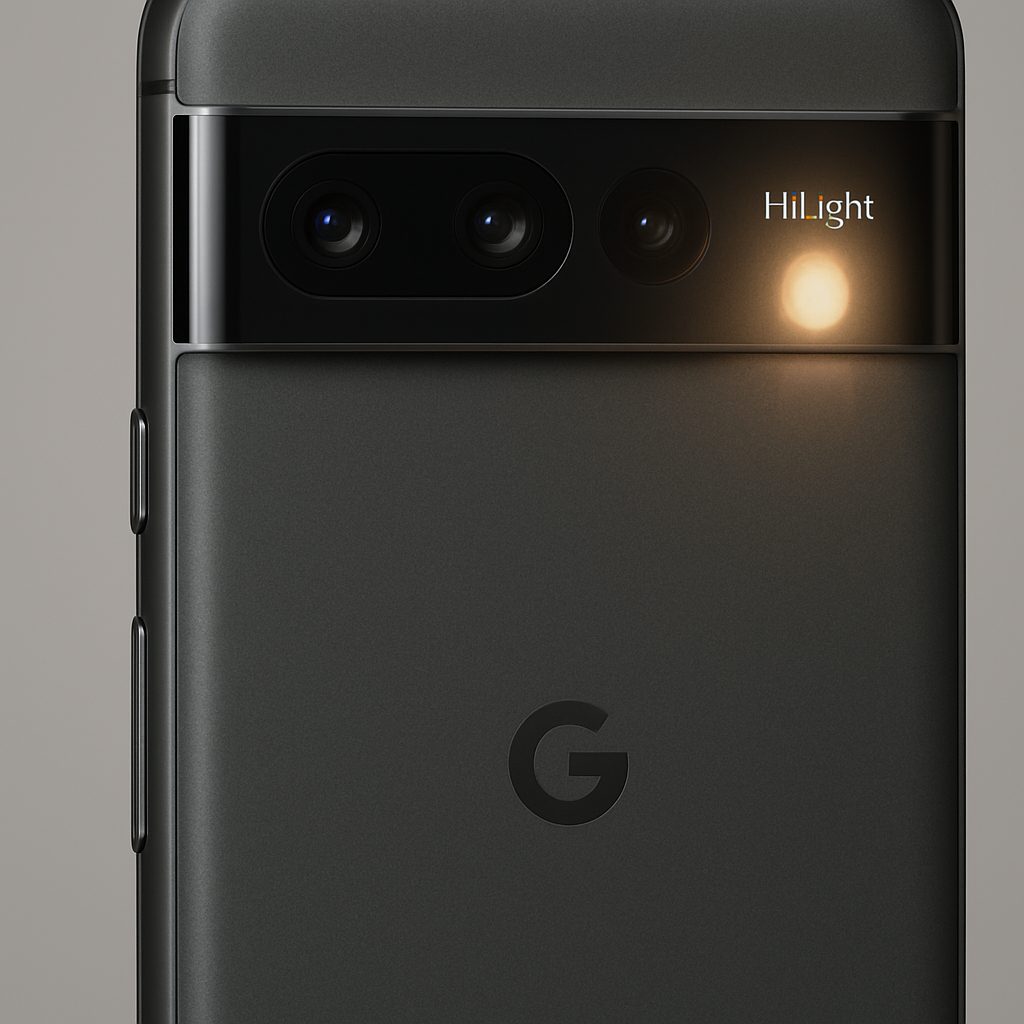
Google’s Pixel 11 Pro introduces ‘HiLight,’ a rear-facing LED feature designed to provide visual notifications. However, its limited functionality and underwhelming implementation have left users questioning its utility.
Historically, Google’s Pixel lineup has seen the introduction and subsequent removal of various hardware features. The Pixel 2’s ‘Active Edge’ allowed users to summon Google Assistant with a squeeze but was discontinued by the Pixel 5. The Pixel 3’s dual selfie cameras, offering ultrawide angles, lasted only one generation. The Pixel 4’s Soli radar chip enabled gesture controls and Face Unlock but was also short-lived. More recently, the Pixel 8 Pro’s temperature sensor, initially capable of measuring surface temperatures, was removed by the Pixel 11.
‘HiLight’ appears to follow this pattern. Positioned on the back of the Pixel 11 Pro, the LED serves two primary functions: indicating incoming calls from favorite contacts and signaling when the Gemini AI is active. This limited scope has led to criticism, with many users finding the feature underwhelming and questioning its practicality.
The introduction of ‘HiLight’ raises concerns about Google’s approach to hardware innovation. While the company has a history of experimenting with new features, the lack of refinement and subsequent removal of these features can lead to user frustration. For ‘HiLight’ to gain traction, Google would need to expand its functionality and ensure it addresses genuine user needs.
As it stands, ‘HiLight’ exemplifies a recurring issue within the Pixel series: the introduction of features that feel incomplete and fail to make a lasting impact. For future iterations, a more thoughtful and user-centric approach to hardware innovation would be beneficial.