Google has officially confirmed the upcoming launch of its latest fitness tracker, the Fitbit Edge, via a teaser posted on social platforms. The announcement zeroes in on an October 12, 2026 release date, marking the debut of the Edge as the newest addition to Fitbit’s lineup following the Fitbit Air.
What we know so far
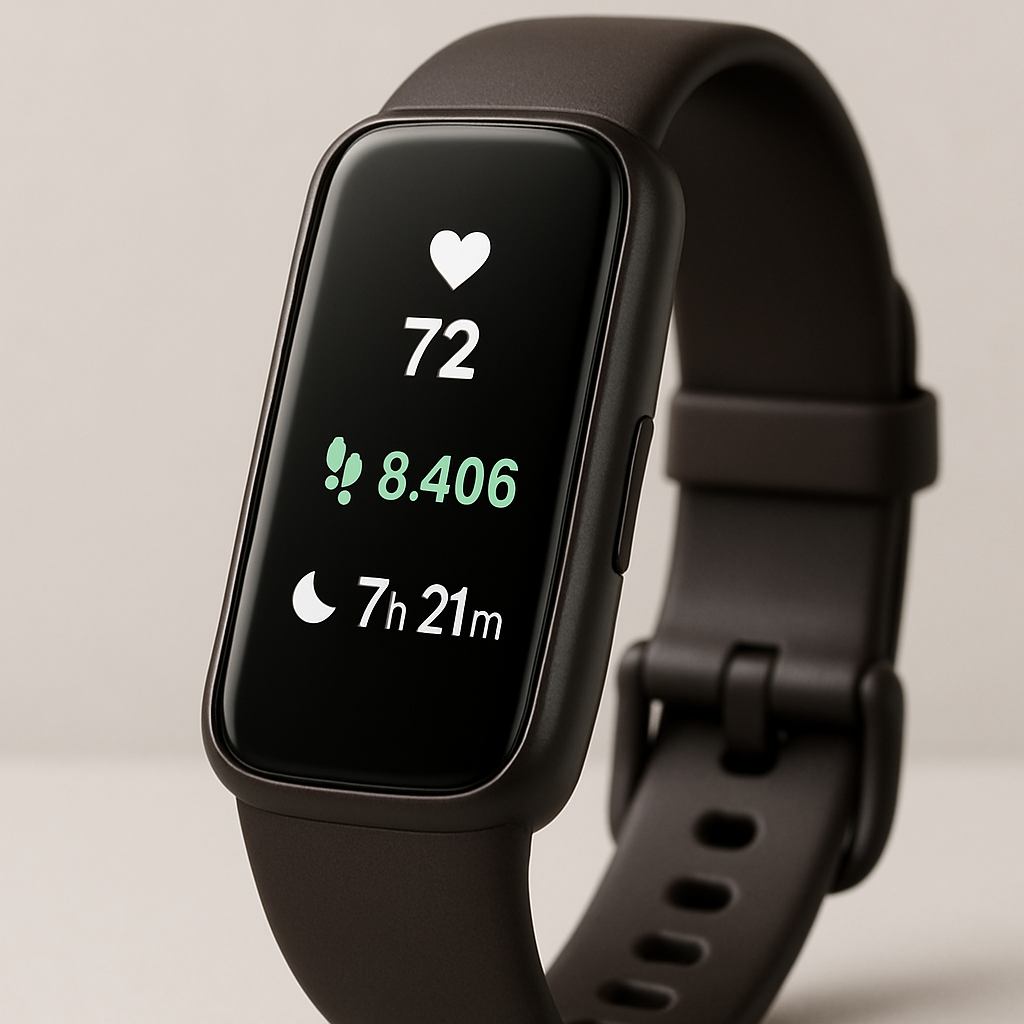
The teaser features the tagline “Get an Edge on your health. 10.12.2026,” confirming both the product’s name and its release timeframe. Visual clues suggest that the Edge uses a metal frame and carries forward the “Canyon” color scheme previously seen on the Pixel Watch 5.
Leaked details have painted a fuller picture of the Edge’s features: up to seven days of battery life, compatibility with iPhones, integrations with Gemini, as well as support for notifications and apps. Pricing is expected to land around $180—positioning it above the simpler, screen-less Fitbit Air but still significantly cheaper than new Pixel Watch models.
Where it fits in Fitbit’s strategy
The Edge appears to serve as a mid-tier fitness tracker, offering more advanced features than base models like the Air while avoiding the higher price and full smartwatch functionality of premium options. Those seeking more than step tracking—but less than a full smartwatch experience—could find the Edge to be a compelling middle ground.
Its teased features align with rising consumer demand for wearable devices that offer smart health tracking (heart rate, sleep, fitness metrics), extended battery life, and increased compatibility across platforms—all within an affordable price range.
As October 12 approachesa, we’ll be watching for full specifications, availability, and whether Google reveals any surprises beyond what leaks have indicated. Will the Edge live up to expectations for functionality and value? Only time—and the official reveal—will tell.
Analysis: With Fitbit Edge Google seems to be doubling down on its play in the wearable health space. By including app support, iPhone compatibility, a durable design, and a ~7-day battery at a lower price point, Google may be targeting users who want more than a basic tracker but can’t justify a true smartwatch. The financial gap between Fitbit’s entry models and full smartwatches has felt wide—Edge could be the bridge. Key questions now: how well will the software deliver, what sensors are onboard, and how durable will this tracker be? These factors will define whether the Edge is a must-have or just another intriguing option.