Apple is set to unveil a brand-new smart home hub during its “Welcome Home” product launch on Tuesday, October 13. The device—rumored in prototypes as the “HomePad”—is expected to serve as a hybrid of HomePod and iPad, though the final name could be something entirely different, such as simply “Apple Home.”
What we know so far
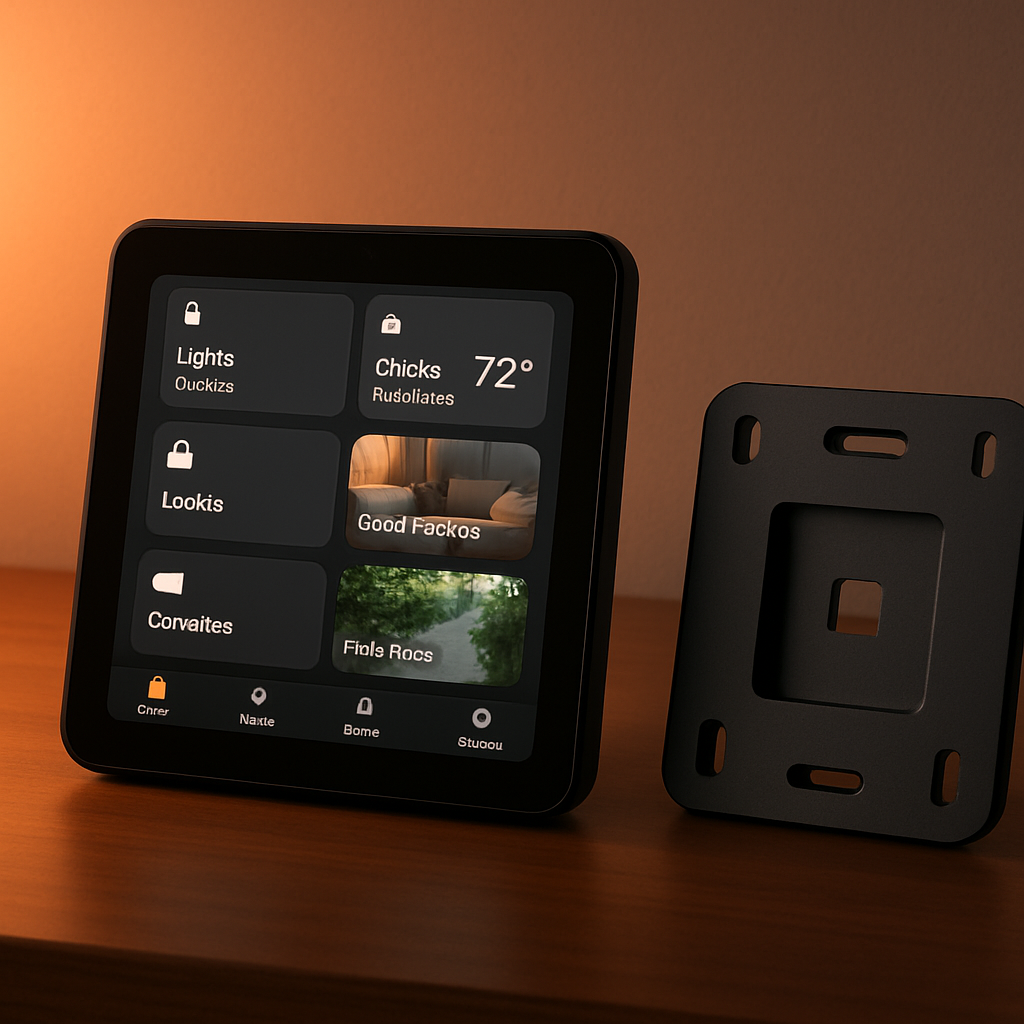
The upcoming hub is likely to sport a 6-inch square display and run on an A18 chip—or possibly newer hardware—leveraging Apple Intelligence with Siri as a central feature. A freshly developed operating system is expected to accompany the device, tentatively dubbed “homeOS,” packing elements like customizable clock faces, widgets, and other features tailored for smart-home interaction. Two physical variations are under discussion: one with a speaker base meant for tabletop use, and another designed to be wall-mounted.
Functionality appears ambitious. Beyond basic smart-home control via the Apple Home app, the hub could handle home security monitoring, photo gallery display, calendar management, music playback, and even FaceTime calls. One intriguing usability detail: the interface may dynamically adjust as users approach or walk away—presumably increasing element size when close, shrinking when distant.
How it fits Apple’s ecosystem
This new device arrives amid expectations for other fresh hardware on October 13, including a new Apple TV 4K and a refreshed HomePod mini. As Apple continues to push its smart-home strategy, a dedicated hub would centralize many functions that are currently split across different devices.
This move reflects a broader trend toward more integrated, ambient computing in the connected-home space—where displays, speakers, cameras, and AI assistants merge rather than remain standalone. Apple seems poised to elevate its competition with gadget ecosystems led by Google, Amazon, and others who already offer display hubs and smart speakers with AI features.
It remains to be seen how Apple will balance privacy, performance, and design—particularly in ensuring that sensors or microphones for presence detection respect user confidentiality. Also unclear are pricing tiers, default storage capacities, and which smart-home accessories will have native support. These details should emerge—or be confirmed—at the event next week.
Why this matters: a potent new smart-home hub could become the analog to Apple’s shift to wearable computing, or its strategy to make Siri and Apple Intelligence more central to everyday life. If executed well, the device may redefine how users interact with the home: directing lights, security, media, and communications from a unified surface. On October 13, all will become clearer—what Apple will call this device, what it will cost, and whether it can deliver on its promise of a truly unified home experience.