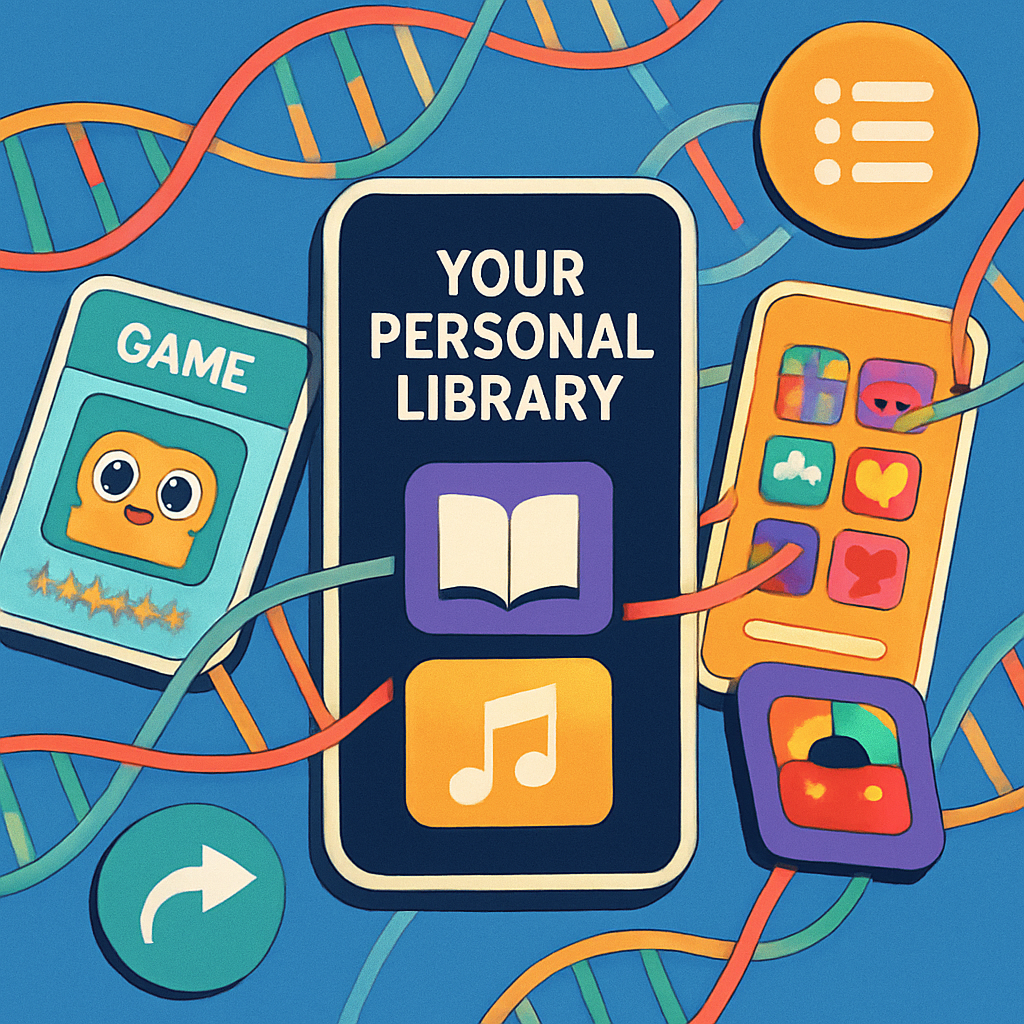
Google is rolling out a major update to the Play Store focused on its vibe-coding features, game discovery tools, and social enhancements. Central to the changes is the introduction of a “Your personal library” section for vibe-coded Android apps. Rolled out starting today in the US and select markets, this will let users access AI-generated apps across multiple devices for easier restores and installs. Previously, Google AI Studio — launched in May — let users generate Android apps and sideload them via ADB. These new additions formalize that experience through the Play Store itself.
Another key addition lets users privately share their generated apps with selected individuals. These private apps will remain off the public Play Store catalog and will undergo security review to ensure safety and quality. Looking ahead, those interested can opt to upgrade to a professional developer account, subjecting them to the same Trust & Safety standards as public developers.
Enhanced Game Discovery & Community Features
Google is enhancing how users find games with a new “Gamer DNA” feature. Building a profile based on gameplay habits and user-shared preferences — covering genres, mechanics, and more — Gamer DNA aims to surface games aligned with what you actually like. It starts in the US, with plans to expand soon.
The Play Store will also introduce Game Playlists, so users can organize collections of games and share them. To boost social engagement, a new mode called Sprints lets groups of two to five players compete in short, high-energy challenges lasting just 48 hours. Also getting an upgrade is the Sidekick overlay, which will now support 30-second playback clips ideal for sharing memorable gameplay moments.
More Content & Comparison Tools
Google Play is growing its Sports Topic Pages, adding live scores and links to compatible streaming apps for top football leagues including Premier League, Champions League, La Liga, Liga MX, and MLS. At the same time, Ask Play — a search-powered comparison feature — is being updated to generate app comparisons that highlight key differences and user sentiment.
These updates fall under a broader push by Google to make the Play Store more social, personalized, and useful — not just a storefront, but a responsive ecosystem tuned to both player behavior and community preferences.
Why this matters: By introducing a personal library for vibe-coded apps and improving sharing options, Google is acknowledging that AI-generated content isn’t niche — it’s going mainstream. Gamer DNA, social tools, and in-platform comparisons all respond to users’ growing expectations for personalized, community-driven experiences. What to watch: how this affects app discovery and whether professional vibe-coded developers will gain real visibility — and revenue — in this evolving model.