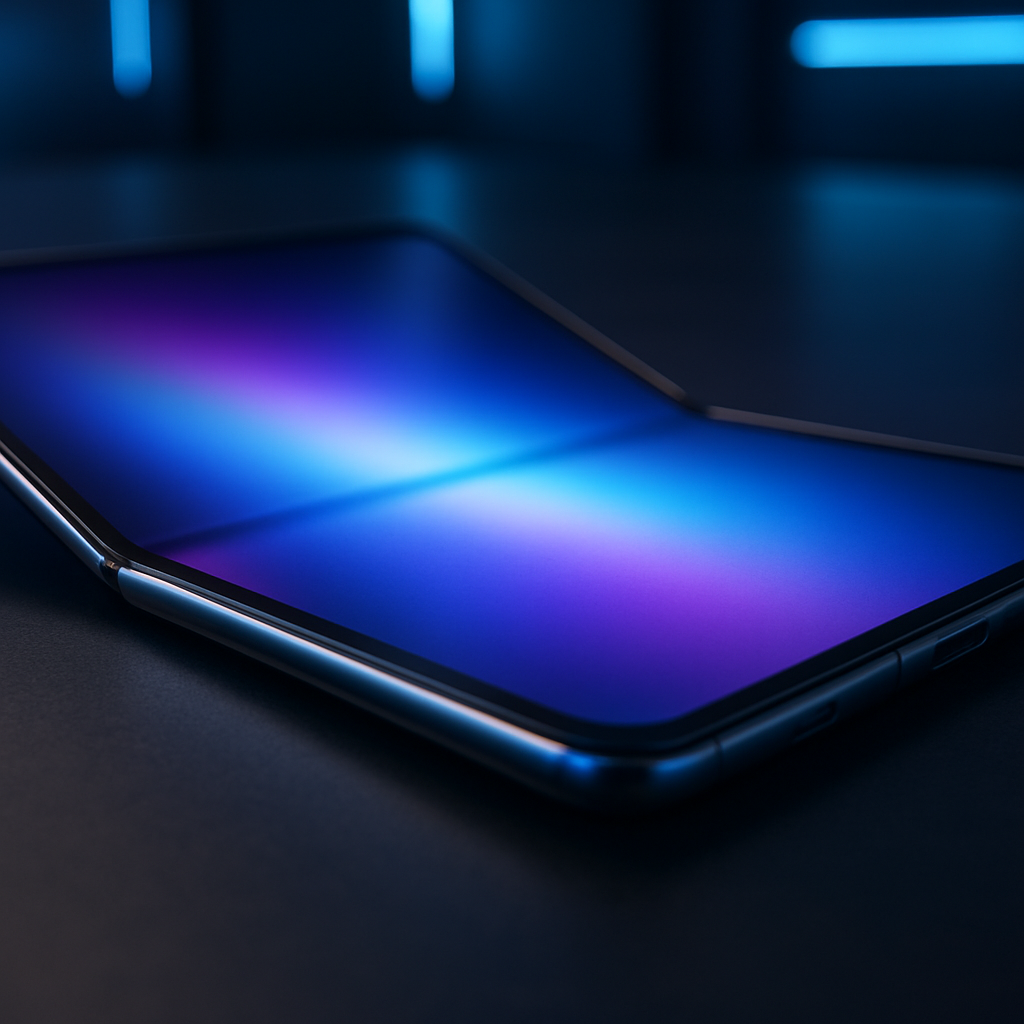
Google is reportedly set to leap ahead in the foldable phone game with the upcoming Pixel 12 Pro Fold. According to new reports, it will use a dual-UTG (ultra-thin glass) display design—mirroring what Apple is expected to introduce with its first foldable device. The move signals a shift toward crease-less foldables, following in the footsteps of rivals like Samsung, Oppo, and Vivo.
What’s changing with the Pixel foldable
The current Pixel 11 Pro Fold is serviceable but has lagged behind competitors that have introduced displays engineered to reduce or eliminate the visible crease. The new design will involve two UTG layers—one above the screen and one beneath—to sandwich the main OLED panel. This approach is similar to what Apple is said to be doing in its not-yet released foldable, aiming for a smooth, creaseless look.
To achieve this, Google is teaming up with Samsung Display. The display partner will assemble the UTG layers and OLED to each device’s specific requirements. Samsung’s showcased crease-less displays feature a supporting titanium plate just under the OLED. Oppo has taken a slightly different approach: filling the fold area using liquid 3D printing paired with thicker glass for a more uniform surface.
Timing and broader trends
The shift toward crease-less foldables seems to be accelerating. Oppo and Vivo both plan devices with dual-UTG panels launching in the first half of 2027. In contrast, Google is expecting to debut the Pixel 12 Pro Fold in the second half of the year, most likely August, sticking to its established product cadence.
This trend isn’t just about aesthetics—the crease in foldables has long been a point of criticism. New display engineering promises not only improved looks but potentially better durability, feel, and screen uniformity across the entire fold.
The Pixel 12 Pro Fold will be Google’s answer to rising expectations in the foldable market. It isn’t just about keeping up—it might redefine the benchmark for what a foldable phone should feel like. If Google delivers on this design, it has the potential to reset assumptions about what’s possible in this category. Keep an eye on display demos, sample durability, and how the finish and feel stack up when the device launches—you’ll want to see whether this creaseless material holds up in daily use.