Google Introduces RCS-Based Fake Call Detection to Combat AI-Powered Impersonation Scams
In response to the escalating threat of sophisticated impersonation scams facilitated by artificial intelligence, Google has unveiled a new feature within its Phone app designed to detect and prevent fake calls. This initiative aims to safeguard Android users from AI-driven deepfake attacks that convincingly mimic the voices of trusted contacts.
Understanding the Threat
Imagine receiving a call that appears to be from a close family member, such as your mother. The caller ID displays her name, and the voice on the other end sounds exactly like hers. However, unbeknownst to you, it’s a scammer utilizing AI tools to impersonate her, possibly to solicit money under false pretenses. This scenario underscores the growing menace of AI-generated deepfake technology, which has become so advanced that distinguishing between genuine and fabricated voices is increasingly challenging.
Mechanics of the Scam
Scammers employ a two-pronged approach:
1. Caller ID Spoofing: They manipulate the caller ID to display a trusted contact’s number, making the call appear legitimate.
2. AI Voice Cloning: Utilizing readily available AI deepfake technology, they replicate the voice of someone you know, such as a family member or employer, to deceive you into believing the call is authentic.
Google’s Countermeasure: Fake Call Detection
To combat these deceptive practices, Google’s Phone app introduces a fake call detection feature that leverages Rich Communication Services (RCS) for real-time verification. Here’s how it works:
– Prerequisites: Both the caller and recipient must be using Android devices with the Phone by Google app installed. Additionally, Google Messages and Google Contacts should be present on both devices.
– Verification Process: When a contact initiates a call, their device sends a silent, real-time confirmation signal to the recipient’s device, verifying the call’s legitimacy. This process utilizes end-to-end encrypted RCS to ensure security and privacy.
– Detection of Impersonation: If a scammer attempts to impersonate a contact, the initial confirmation signal will be absent. The recipient’s device will then ping the real contact’s device to verify the call’s authenticity.
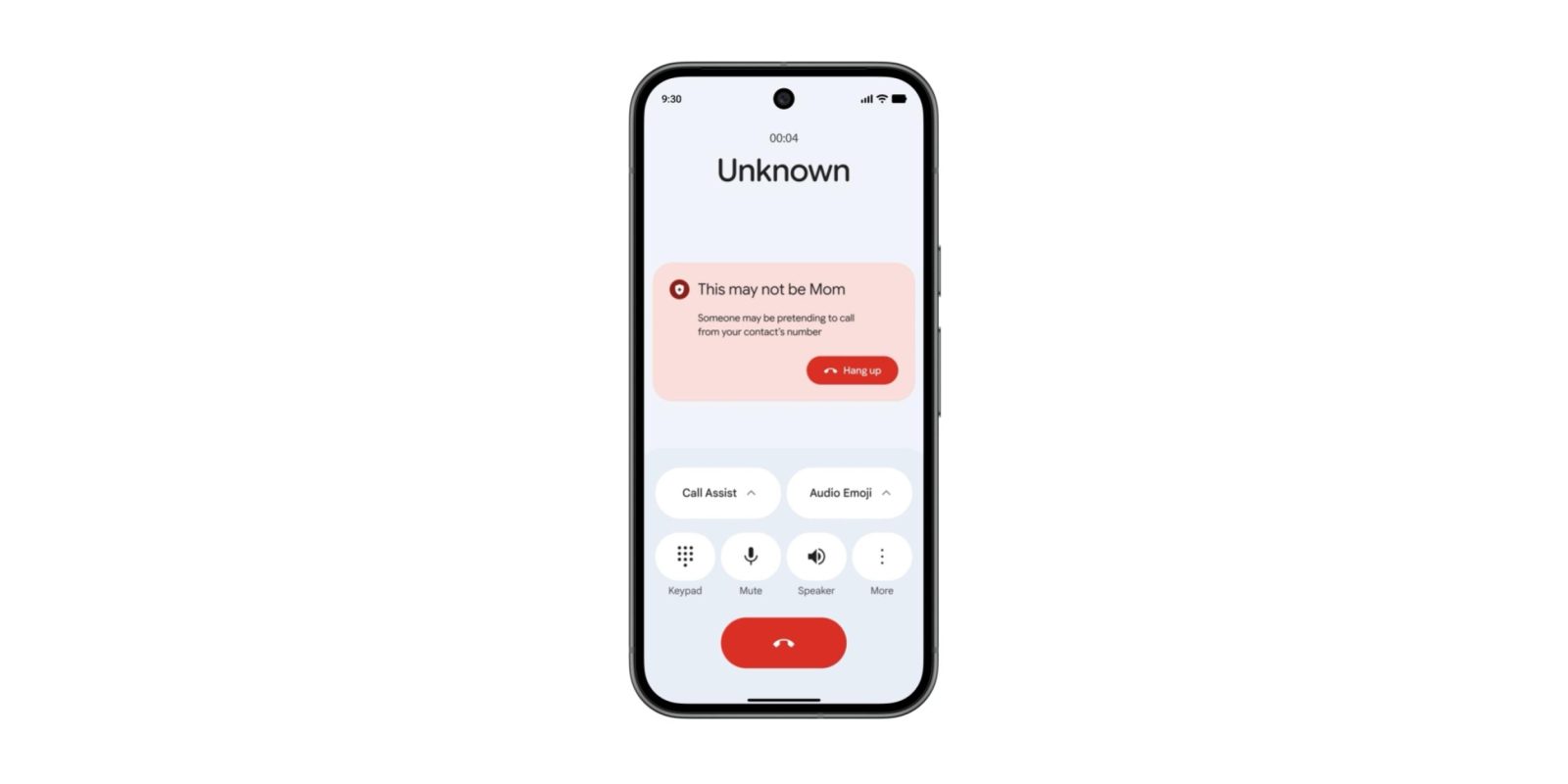
– User Alert: If the real contact confirms they are not making the call, the recipient will receive an on-screen warning advising them to terminate the call immediately.
Implementation and Availability
This feature is set to roll out globally on Android devices running version 12 or higher, starting with Pixel devices this month. Fake call detection will be enabled by default but can be disabled by users at any time. Given its foundation in RCS, Google indicates that other apps and device manufacturers can adopt this technology to enhance user security across the Android ecosystem.
Broader Context and Related Features
Google’s commitment to user security is evident in its continuous development of features aimed at combating various forms of digital fraud:
– Scam Detection in Calls: In November 2024, Google introduced real-time scam detection for phone calls on Pixel devices. This feature listens for conversation patterns commonly associated with scams and alerts users accordingly. It operates fully on-device, ensuring that call content is not saved or recorded.
– Scam Detection in Messages: In February 2026, Google enhanced its Messages app with on-device Gemini models to detect complex conversational threats, such as job offer scams and sophisticated romance scams. This advancement allows for more nuanced analysis of deceptive patterns used in prolonged manipulative schemes.
– Integration with Third-Party Apps: In May 2026, Google enabled system dialers, including the Phone by Google app, to display calls from third-party Voice over IP (VoIP) applications. This integration provides users with a unified call log, enhancing convenience and visibility.
– Expressive Calling: In November 2025, Google began developing an Expressive Calling feature that allows users to convey the urgency of their calls through visual and haptic feedback, enriching the communication experience.
– Call Recording: In November 2025, Google rolled out a call recording feature for Pixel phones, allowing users to record calls directly through the Phone app. Recordings are stored on the device, maintaining user privacy.
– Customizable Calling Cards: In August 2025, Google introduced customizable calling cards in the Phone and Contacts apps, enabling users to personalize how contacts appear during calls with fullscreen images.
– Spam Call Warnings: As early as July 2016, Google implemented spam call warnings in its Phone app, alerting users to potential spam callers and providing options to block or report these numbers.
– Play Protect During Calls: In January 2025, Google ensured that Play Protect cannot be disabled during phone and video calls, preventing scammers from manipulating users into turning off security features during conversations.
Conclusion
Google’s introduction of RCS-based fake call detection represents a significant advancement in protecting users from AI-driven impersonation scams. By leveraging real-time verification and end-to-end encryption, this feature enhances call security and user trust. As digital threats evolve, Google’s proactive measures demonstrate a commitment to safeguarding users against increasingly sophisticated scams.