Google Introduces AI-Powered Fake Call Detection to Combat Deepfake Impersonation Scams
In response to the escalating threat of AI-driven deepfake impersonation scams, Google has unveiled a new feature designed to safeguard Android users from fraudulent calls. This innovative fake call detection system is set to roll out globally this month, initially targeting Pixel devices and extending to all Android 12 and newer versions through the Phone by Google app.
The Rising Threat of AI Deepfake Scams
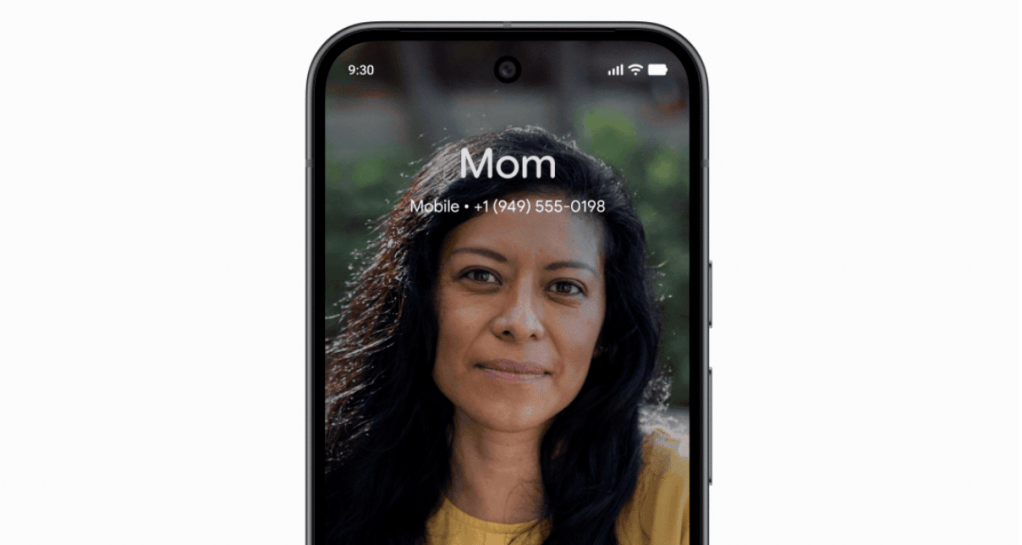
As individuals become more cautious about answering calls from unknown numbers, scammers have adapted by employing sophisticated techniques. They now spoof trusted phone numbers and utilize AI-generated deepfake technology to mimic the voices of authority figures, family members, or employers. For instance, a person might receive a call displaying Mom on the caller ID, with a voice indistinguishable from their mother’s, only to discover it’s a scammer using AI tools to fabricate a false emergency and solicit money.
How Google’s Fake Call Detection Works
Google’s new feature operates seamlessly in the background and is enabled by default. It functions through a digital handshake between devices. When a contact calls, and both parties are using the Phone by Google app, the caller’s device sends a silent confirmation signal to the recipient’s phone, verifying the call’s authenticity.
If a scammer attempts to impersonate a trusted contact, this initial confirmation signal will be absent. In such cases, the recipient’s device will promptly check with the actual device of the supposed caller. If the real device indicates that no call is being made, the recipient will receive an on-screen warning advising them to terminate the call immediately.
Integration with Rich Communication Services (RCS)
This feature is built upon Rich Communication Services (RCS), a protocol that enhances messaging capabilities beyond traditional SMS. By leveraging RCS, Google ensures that other applications and companies can adopt this technology, potentially leading to a broader implementation of fake call detection across various platforms.
Additional Android Updates
Alongside the fake call detection feature, Google has announced several other updates to enhance user experience:
– Google Photos Wardrobe Feature: This new functionality allows users to mix and match outfits and try them on virtually. By cataloging clothing items from users’ photo libraries, it creates snapshots that can be browsed on the phone. The feature is set to roll out next week to eligible users in the U.S., India, and Brazil with Android 10 and above.
– Google Play Books Catch Me Up Feature: This addition enables users to re-engage with stories by providing recaps. Users can also highlight passages to ask questions, enhancing the reading experience. These features are available starting today for select English titles.
– Circle to Search Enhancement: Google is expanding its Circle to Search feature to allow users to search entire outfits at once, eliminating the need to search for individual items. This update is now available on all Android 14 and newer devices equipped with Circle to Search.
The Broader Context of AI in Scam Detection
Google’s initiative is part of a larger effort to combat the misuse of AI in fraudulent activities. In May 2024, Google previewed a feature that uses its generative AI, Gemini Nano, to detect scam patterns during live calls. This system listens for conversational patterns commonly associated with scams, such as requests for passwords or gift cards, and alerts users in real-time. By integrating such AI-driven solutions, Google aims to provide a robust defense against the evolving tactics of scammers.
Privacy Considerations and User Control
While these advancements offer significant protection, they also raise questions about user privacy and data security. Google has emphasized that the fake call detection feature operates entirely on-device, ensuring that call data does not leave the user’s phone. Additionally, users have the option to disable the feature if they prefer not to use it. This approach balances security with user autonomy, allowing individuals to choose the level of protection that suits their needs.
Conclusion
As AI technologies become more sophisticated, so do the methods employed by scammers. Google’s introduction of fake call detection represents a proactive step in safeguarding users from AI-driven impersonation scams. By leveraging advanced technologies like RCS and on-device AI processing, Google aims to provide a secure and user-friendly experience, reinforcing trust in digital communications.