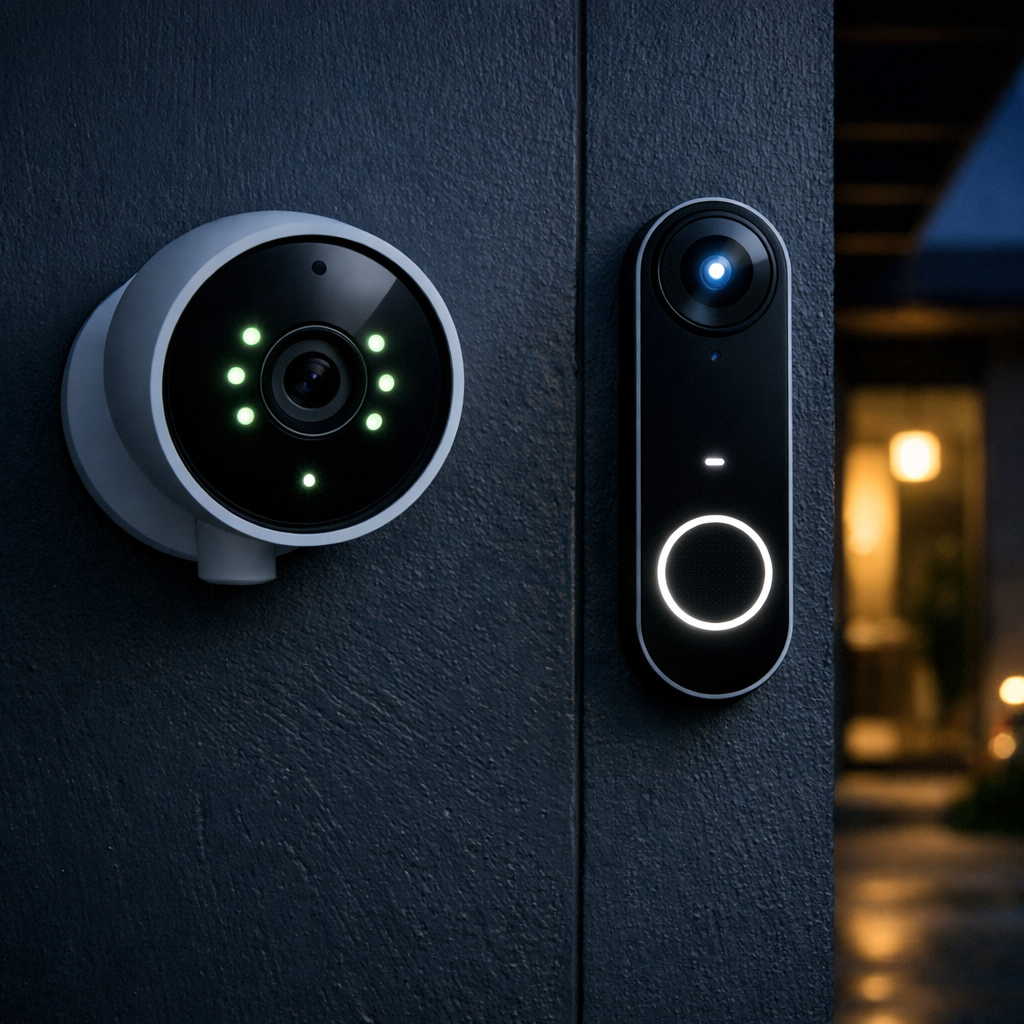
Google has begun pushing out firmware updates for several legacy Nest Cam and Doorbell devices, tackling long-standing issues while continuing its shift toward unified smart home management through Google Home. These improvements target older models ranging from early indoor cams to the original wired video doorbell.
Which devices are getting the fixes?
The update applies to six older Nest products: the first-generation Nest Cam Indoor and Outdoor; the first-generation wired Nest Hello video doorbell (now referenced as Nest Doorbell wired, 1st gen); and both Nest Cam IQ Indoor and IQ Outdoor. Crucially, the updates only land on devices that have already been migrated into the Google Home app — something Google has enabled for years. If your device is still managed by the older Nest app and hasn’t been migrated, this update won’t reach it.
What’s improved?
Users should expect enhanced performance in three key areas:
- Wi-Fi stability: Cameras will reconnect more reliably after brief Wi-Fi interruptions, reducing crashes or stalls previously experienced.
- Nighter vision timing: On first-gen Indoor and Outdoor models, switching into Night Vision mode after powering on or moving into low-light conditions will now happen quicker — previously it could take up to 15–20 seconds.
- Audio-video sync & status lights: The wired Nest Doorbell should now sync audio and video properly and avoid unexpected restarts. For Nest Cam IQ models, the status light ring will no longer pulse blue (a setup indicator) when Wi-Fi is down on already configured units — behavior that confused some users.
The improvements are rolling out now and will install automatically in the background, requiring no manual intervention from users.
Why these updates matter
These patches signal Google’s continued investment in support for older Nest hardware despite its push toward newer devices. Many users have complained for years about delays when switching to night vision or instability when connections dip; fixing these makes existing hardware more reliable and potentially extends their lifespan. Also, ensuring core features like audio-video sync and status indicators function correctly is basic but essential for user trust in monitoring devices.
What to watch next: since these fixes are limited to devices already migrated into Google Home, delays or resistance in migrating could leave many behind. Also, with newer Nest and third-party smart home gear embracing features like AI-based alerts or advanced interoperability (e.g. Matter), legacy devices may lag, even with firmware patches. Still, this update shows legacy support can deliver real gains without new hardware.