Google has started blending its Material 3 Expressive language with its Liquid Glass design on iOS, rolling out translucent, frosted visual effects across its apps. While Liquid Glass launched a year ago, this is the first time the feature is showing up in the Material 3 Expressive UI across multiple apps on Apple’s platform.
What’s new
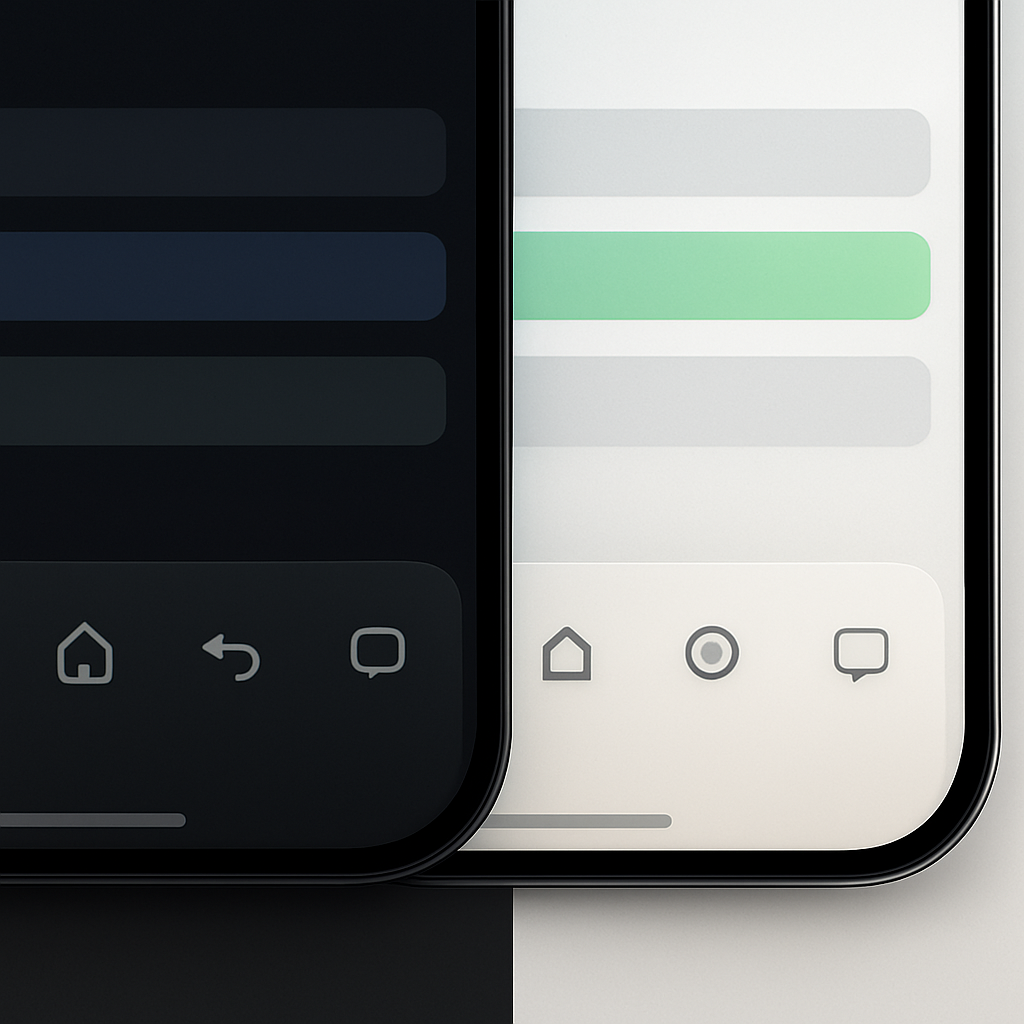
In the latest update to Google Photos for iOS (version 7.94), the floating bottom navigation bar replaced its prior solid background with Liquid Glass. Users now have two translucency settings: “Default,” which offers subtle opacity, and “More clear,” which lets more of the content behind the bar show through. The change carries into dark mode, where blue accent tints are visible under the navigation indicators. Meanwhile, buttons in the top bar of Photos also picked up Liquid Glass styling.
Google Health is seeing similar updates. The bottom navigation bar now embraces Liquid Glass, and the floating action button (“Ask Coach”) is treated with a frosted effect. These tweaks shift the visual hierarchy by letting underlying UI elements subtly show through.
Where Google stands now with Material design on iOS
The company is steadily replacing its old Google Material Theme for iOS with Material 3, though some apps are still lagging. Docs, Sheets, Slides, and Keep have yet to complete the transition, while Tasks was updated more recently.
One holdout: Dynamic Color, which on Android lets accents adapt to the system wallpaper, isn’t coming to iOS apps anytime soon. Without system-level control over wallpaper colors, such features are harder to implement, so Google hasn’t added a manual accent-color option across its iOS suite.
These visual changes extend beyond Photos and Health. Across Google’s iOS apps with Material 3, you’ll see more Liquid Glass bars, frosted buttons, and translucent UI elements. The shift makes the apps look more modern and layered, moving away from solid-color blocks toward semi-transparent design.
Overall, this visual update reflects Google’s ongoing effort to unify its design strategies across platforms. Material 3 Expressive focuses on flexible, bold visuals, and Liquid Glass adds texture and depth. For iOS users, this means a more cohesive experience that echoes Android’s stylistic trends while respecting platform differences.
What to watch for: whether Google will roll out Liquid Glass and Material 3 to all its apps (including the laggards), and if it finds ways to integrate features like accent-color theming on iOS. These updates are subtle but meaningful, signaling Google’s evolving design focus across devices.