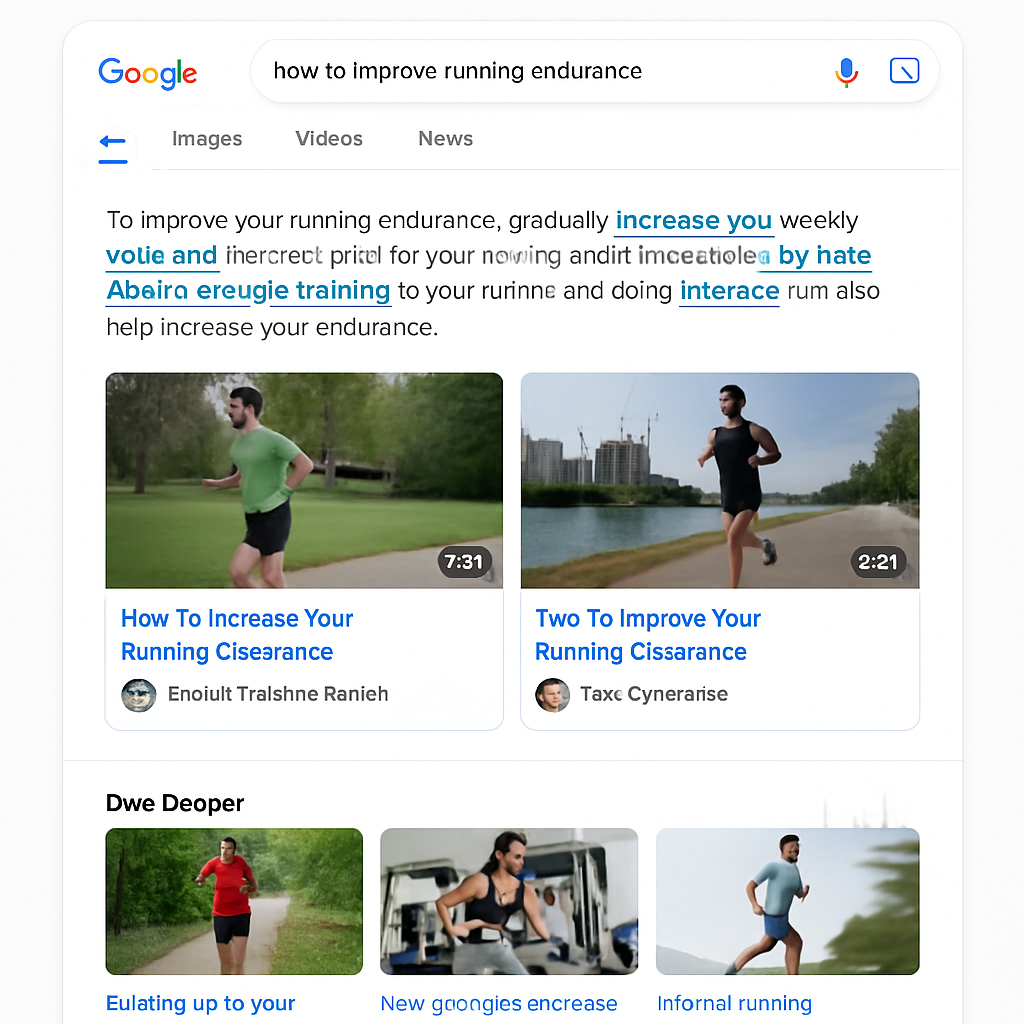
Google is enhancing how it presents links within its AI Mode and AI Overview features, aiming to improve clarity, engagement, and trust in its search results. These changes include making inline links appear “higher up” in responses, and redesigning the “Dive Deeper” section at the end of AI-generated content to feature image thumbnails and a more inviting layout.
In addition to revamped link visibility, Google is rolling out expanded carousels spotlighting timely articles and its Preferred Sources. Having tested these earlier this year, the Preferred Sources feature is now also going live in more global locations and languages. Notably, the ability to customize this section has surged — usage has increased sevenfold since its initial launch.
A fresh test is introducing a top-tier section in AI responses for sites deemed authoritative—those that serve as go-to references for specific tasks or topics. Alongside these links, Google is experimenting with brief explanations that outline why each link was included. Video results are also getting enriched: video creators’ and publishers’ names will become clickable, leading to dedicated search profiles (where eligible), giving users context about who’s creating content.
What AI Mode and Overview Can Do Now
Inline links, which used to sit embedded more discreetly, will now be placed earlier in AI responses, making them easier to spot. End-of-response links under “Dive Deeper” won’t just list sources—they’ll include image thumbnails and a style intended to draw user clicks. The idea is to provide more useful, visually enriched pathways to further reading.
Carousels featuring timely content and Preferred Sources aim to surface authoritative and relevant information more proactively—especially in local languages and regions where the feature is newly available. The drastic rise in customization suggests users are eager for more control over what sources they see. At the same time, tests for a new section at the top of AI responses focus on highlighting official or primary sources for particular tasks—like forms, how-to content, or trusted repositories. The added context for each link is designed to clarify why it’s trustworthy or useful.
Why It Matters
These updates could shift how people perceive the authority and usefulness of AI-powered search results. Making links more visible—and explaining why they’re there—can help reduce the uncertainty that often comes with generative AI output. At the same time, the streamlining of video creators’ and publishers’ profiles adds accountability, giving users insight into who’s behind the content.
Moving forward, it’ll be worth watching how these changes affect user behavior: do people click on links more often when given image thumbnails or top placement? Does increased context reduce skepticism or improve satisfaction? Also key will be whether publishers feel they’re being fairly highlighted or overshadowed. These tweaks seem promising for transparency and usability—but they’re just one part of Google’s broader effort to build trust around AI-driven search.