General Motors has reversed course on plans to remove Apple CarPlay and Android Auto from its gasoline-powered models. The company will now offer the projections systems in the 2027 Chevrolet Silverado and GMC Sierra, intact alongside its native infotainment features. In doing so, GM scrapped earlier plans to eliminate those popular integrations across all combustion-engine vehicles, citing customer demand and partnership support from Apple and Google.
What changed — and what’s coming
Until recently, GM had already stripped CarPlay and Android Auto from its electric vehicle lineup, a change that took effect over the past three years. However, gas-powered models still included those features—though an official roadmap suggested they, too, might be deprecated. That plan is now formally shelved.
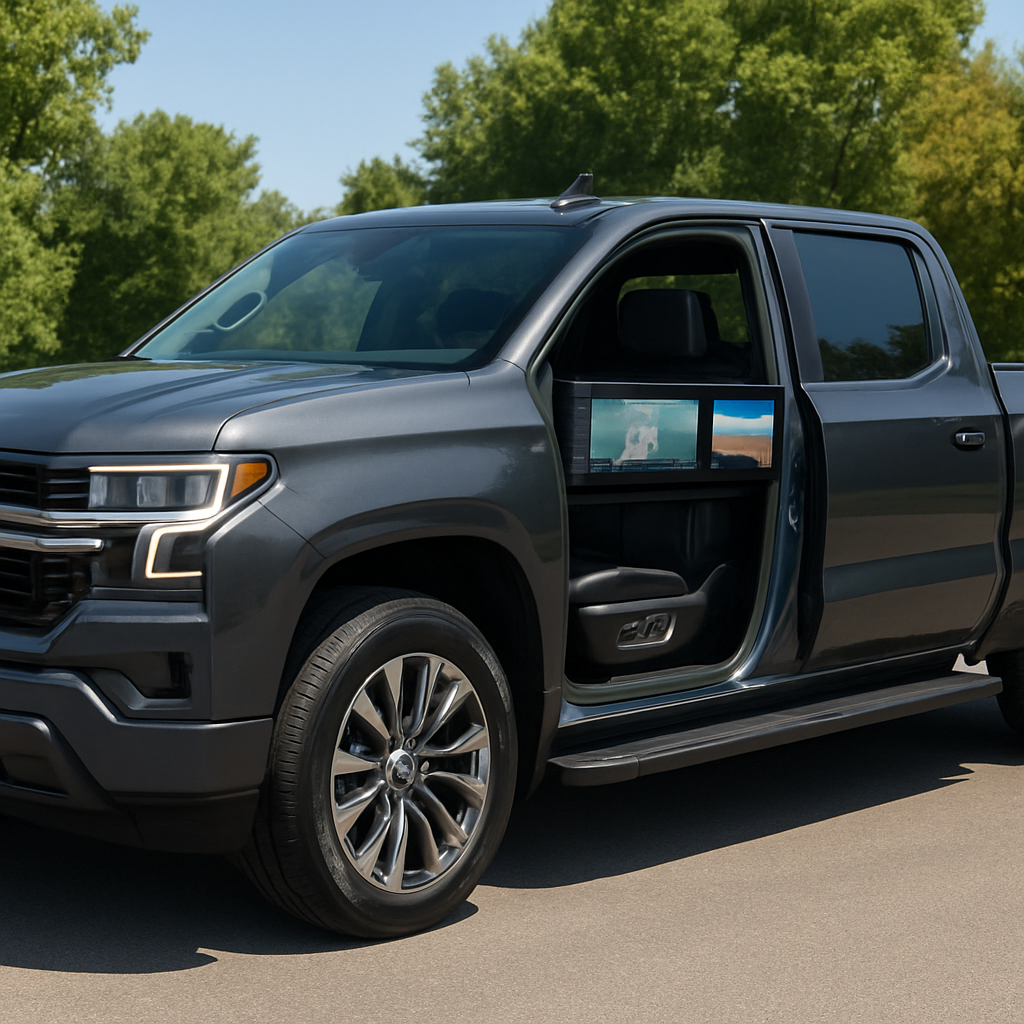
The company will continue offering projection-based connectivity in its 2027 Silverado and Sierra trucks. These models will include a newly designed split-screen interface combining the native infotainment system with CarPlay or Android Auto. The display setup will also include a full suite of gauges and hands-free driving modes, and even a video screen for the front-seat passenger.
Why GM changed course
GM management admitted the move was driven largely by consumer feedback. Enthusiast backlash and public outcry over removing CarPlay and Android Auto options pushed the automaker to reconsider its plan. In a recent statement, GM’s executive director of connected apps and services emphasized that maintaining “projection experience” — the ability for users to mirror their iPhone or Android interfaces — was essential to satisfy customer preferences.
This reversal was also shaped by collaboration with Apple and Google, which reportedly worked closely with GM on the new split-screen design. The companies aim to offer native and projection-based experiences side-by-side, rather than forcing drivers to rely exclusively on one.
Behind this debate is a broader struggle over control of the drive experience. Automakers have increasingly tried to control infotainment and embedded software systems themselves, reducing reliance on third-party platforms. Then again, many drivers have made projection-based integration a non-negotiable feature when buying a car. GM’s decision acknowledges that reality—at least for now. Users of electric GM vehicles still do not have the option restored, and it’s not yet confirmed whether this rollback will apply across other gas-powered models beyond the Silverado and Sierra.
What this means: In a market racing toward electric vehicles and fully integrated systems, consumer expectations remain a powerful force. GM’s willingness to preserve CarPlay and Android Auto in its gas-powered trucks suggests that automakers can’t ignore customer demand — or risk alienating one of the few areas where tech brand loyalty directly interfaces with automotive design. As the auto industry tries to balance brand-controlled ecosystems with platform partnerships, GM’s latest move may signal a reset in how infotainment features are preserved, merged, or removed across both electric and traditional vehicles in the years ahead.