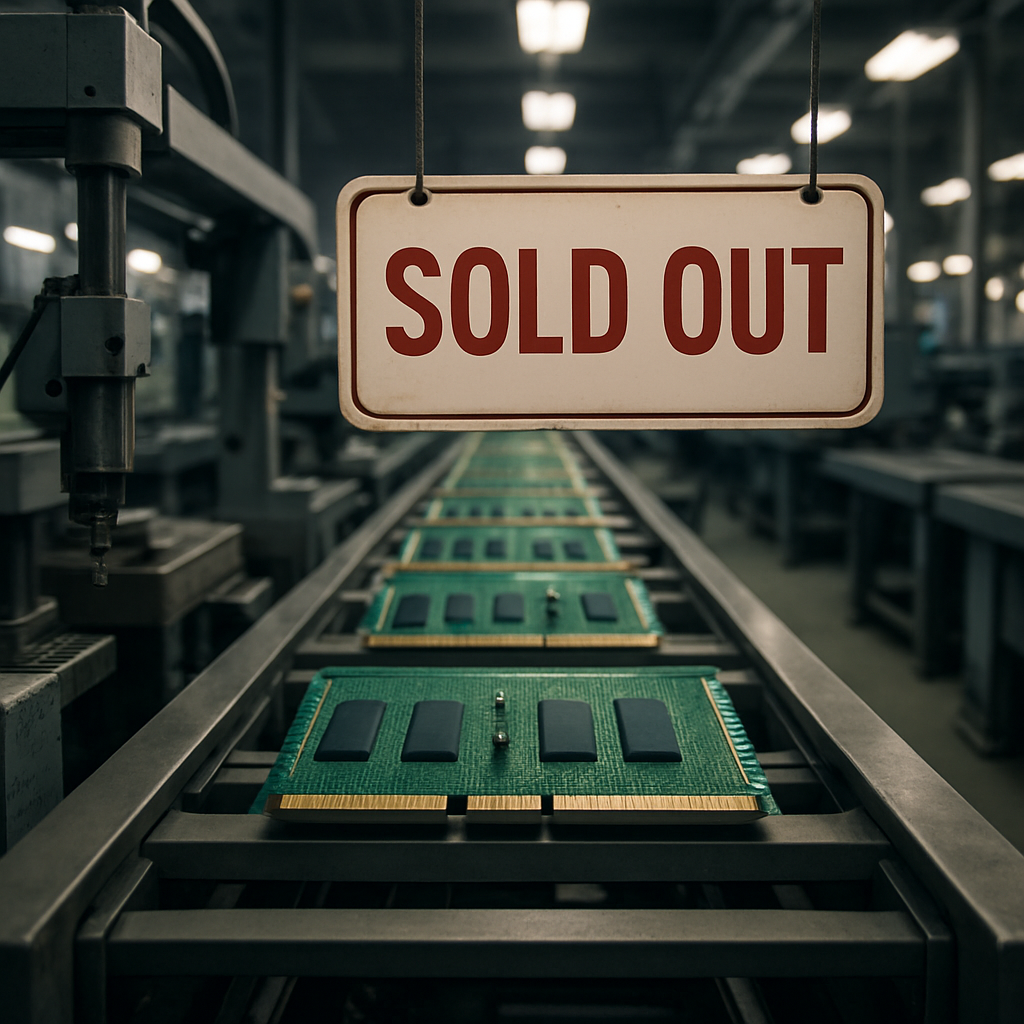
The global technology sector is grappling with a significant memory shortage, as leading DRAM and HBM manufacturers have reportedly sold out their production capacity through the end of 2027. This development is poised to impact a wide array of industries, from consumer electronics to data centers.
Major memory producers, including Samsung, SK Hynix, and Micron, have secured long-term supply agreements that exhaust their manufacturing capabilities for the next several years. This surge in demand is largely driven by the rapid expansion of artificial intelligence (AI) applications and cloud computing services, which require substantial memory resources to operate efficiently.
In response to the escalating demand, these companies are significantly increasing their capital expenditures. Reports indicate that Samsung, SK Hynix, and Micron plan to boost their investments by nearly 340% from 2024 to 2027. However, the fruits of these investments are not expected to materialize until 2029 or 2030, suggesting that the memory shortage may persist for the foreseeable future.
The scarcity has already led to noticeable price increases in various products. Consumers have experienced higher costs for RAM modules, gaming consoles like the PlayStation 5 and Xbox Series X/S, and pre-built personal computers. This trend is anticipated to continue, affecting the pricing of next-generation devices and potentially leading to delays in product releases.
Adding to the complexity, the AI boom has intensified competition for memory components. Companies like Seagate have reported that their high-capacity hard drives are nearly sold out until 2028, driven by the burgeoning demand for AI infrastructure and data center expansion. This scenario underscores the interconnectedness of the tech supply chain and the cascading effects of component shortages.
Looking ahead, the industry faces a challenging landscape. While efforts are underway to ramp up production and develop alternative solutions, the immediate future suggests continued constraints. Stakeholders across the tech ecosystem must navigate these challenges, balancing innovation with the realities of supply limitations.
For consumers, this means being prepared for potential price hikes and limited availability of memory-intensive products. For businesses, strategic planning and diversification of supply sources will be crucial to mitigate the impact of the ongoing memory shortage.