Google has officially begun replacing Google Assistant with its AI model Gemini across Android devices. The phasing out kicked off in early September and is now rolling out widely in the US and Europe, with multiple users confirming that Assistant is no longer available on their phones. This marks the final morphing phase in a plan that was previously pushed from 2025 into 2026.
What’s Changing—And Losing
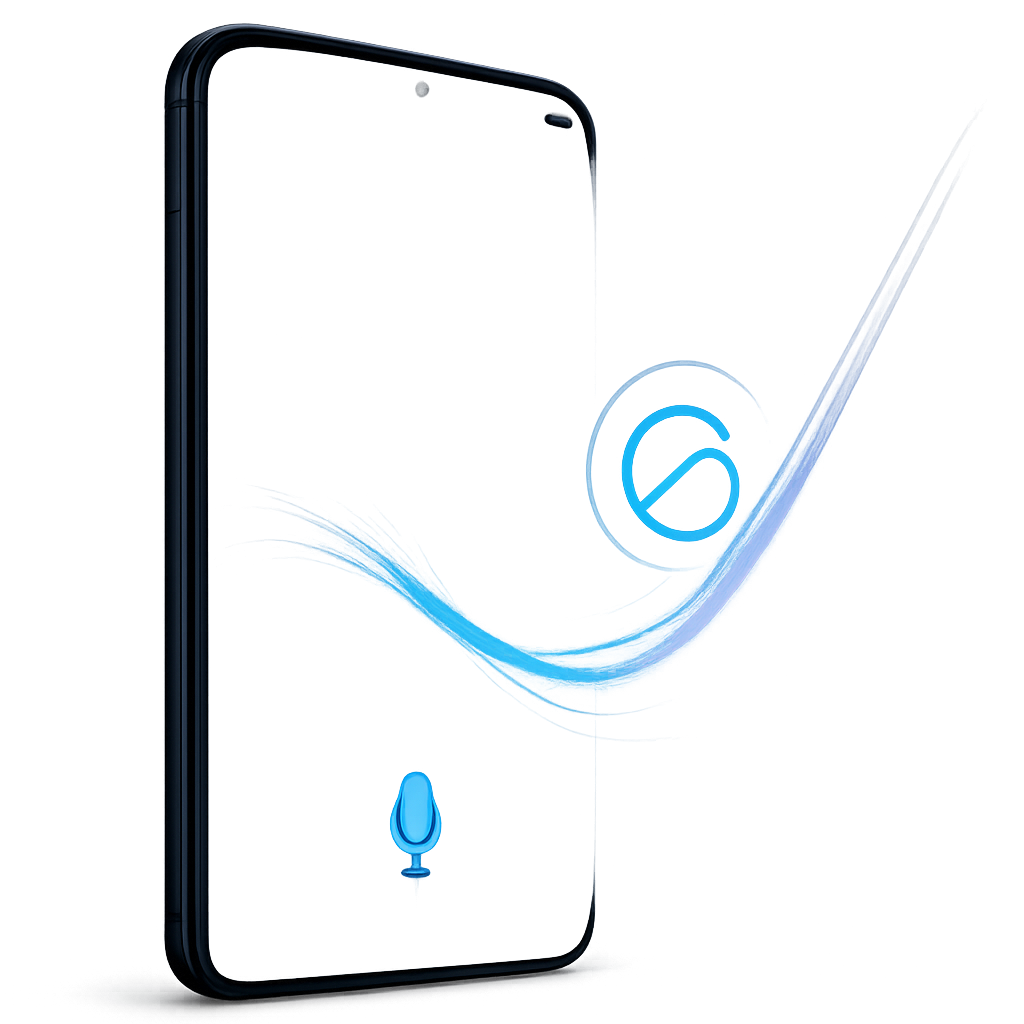
Former ways to explicitly switch back to Google Assistant have been removed. The “Switch to Google Assistant” option at the bottom of the account menu in the Google app has vanished in version 17.60 (stable) and 17.62 (beta), making Gemini the permanent voice assistant experience. This override was available when long-pressing the power button or swiping from screen corners—standard gestures tied to invoking voice controls.
The “use or switch back to Google Assistant” settings—which once covered phones, tablets, Android Auto, headphones, and Wear OS—are also gone. While Android users witness this shift directly, no current changes have been noted yet for Google Nest or Google Home smart speakers, displays, or any other Assistant-enabled home devices.
Timeline & Rollout Progress
The move to deprecate Google Assistant on mobile devices was initiated earlier this year, with Google announcing the final timeline in August 2026. That followed a prior schedule targeting 2025. As of late September 28, 2026, Gemini is active as the sole voice assistant on Android wherever the update has arrived across the US and Europe.
Some users report the assistant transition is seamless, while others note differences in performance—such as delays when adding items to Google Keep under Gemini compared to Assistant. These growing pains highlight that while Gemini is now the default, there are still usability quirks to work out.
Voice activation gestures remain largely unchanged: long-pressing the power button or corner swipes now bring up Gemini, just as they did for Assistant. But for many, the option to revert to Assistant has officially been obliterated.
Devices that haven’t yet felt the change include smart speakers and smart displays—the home-based hardware still retains Google Assistant for the moment. That likely reflects a different transition timeline or technical dependencies in those devices.
Geographically, the rollout covers Android users in both the United States and Europe. It appears systematic rather than gradual; several reports indicate everything has already switched—in menus, settings, and core user interface for voice control.
What this means for users: If you’re using voice commands with Google services on Android, you’re operating with Gemini now—and there’s no official toggle to bring back Assistant. Apps, gestures, and voice workflows may already reflect Gemini’s behaviors, and over time both performance and feature differences could become more obvious.
Broader Context
This shift is part of Google’s larger strategy to unify its AI assistant efforts under the Gemini model. Functionally, Gemini blends advanced large language model capabilities with voice interactions and on-device responsiveness. Google Assistant, for many years, stood as its core voice-activated helper, tightly integrated across Android and Google services.
By consolidating to Gemini, Google is betting that AI-based comprehension and contextual awareness will deliver richer experiences. But it also means users lose familiarity—old prompts, routines, and fallback behaviors now may respond differently. For developers, this means updating integrations or testing their apps under Gemini’s new behaviors.
Pro Tip: If you previously relied on Google Assistant for routines or smart integrations, check your behavior under Gemini. Test how voice commands work, note any differences in speed or responses, and expect adaptations over time.
The move reflects a trend across the tech industry: voice assistants increasingly powered by generative AI. As companies like Apple, Microsoft, and Amazon advance rivals using expansive AI models, Google’s switch to Gemini is a clear signal that classic keyword/indexed assistant behavior is being replaced with more conversational, capable AI systems.
What to watch: Will Gemini match—or surpass—Assistant’s reliability, responsiveness, and performance? How will third-party integrations, especially IoT and wearables, adapt to its quirks? And when will home and smart display devices follow suit?