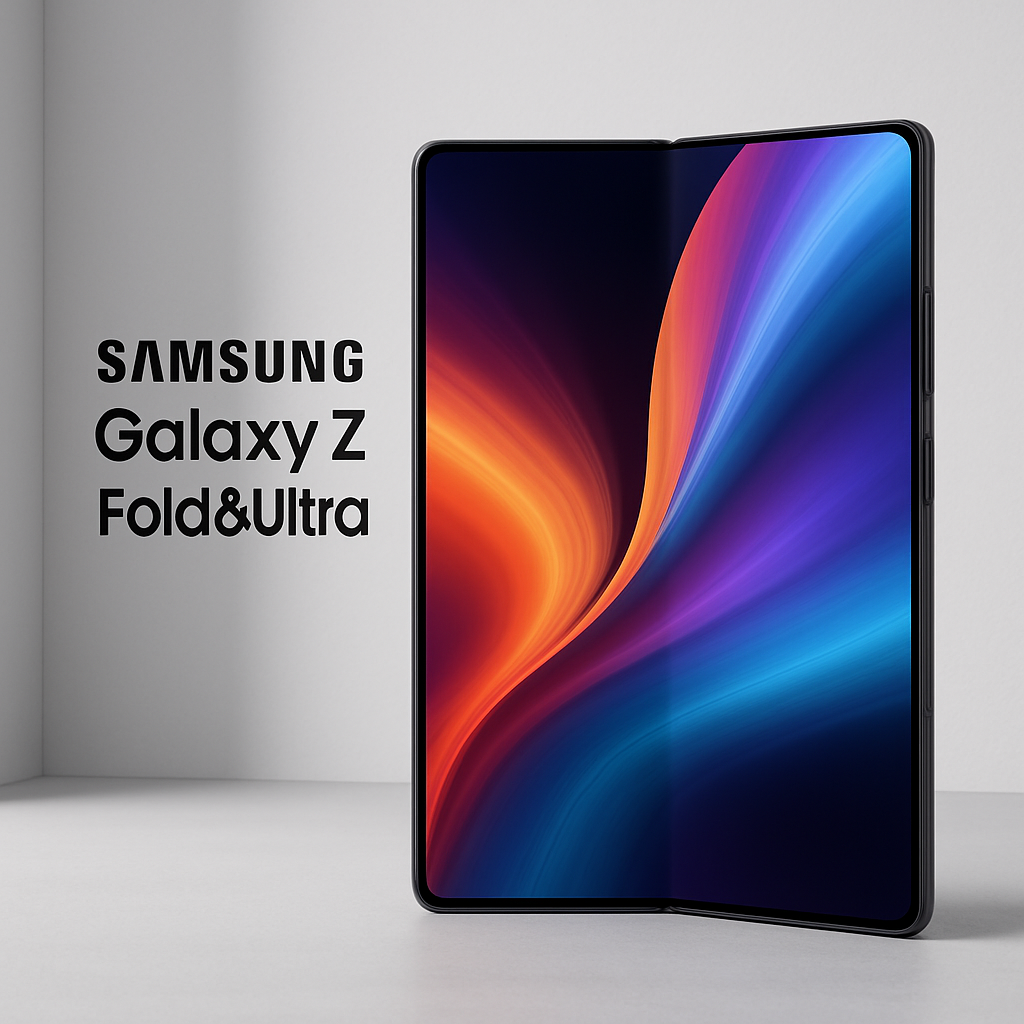
Samsung’s forthcoming Galaxy Z Fold 8 series is generating buzz, particularly due to the introduction of two distinct models: the standard Galaxy Z Fold 8 and the Galaxy Z Fold 8 Ultra. While the standard model boasts a wider form factor, the Ultra variant appears to be a modest upgrade over its predecessor, the Galaxy Z Fold 7.
The Galaxy Z Fold 8 Ultra is expected to retain the design and form factor of the Fold 7, with enhancements such as a refined display crease and an increased battery capacity. However, these improvements may not justify the anticipated price increase associated with the ‘Ultra’ branding.
Historically, Samsung’s ‘Ultra’ designation has been reserved for devices with significant advancements. In this case, the Ultra model’s incremental upgrades could lead to consumer dissatisfaction, especially if the price point is elevated without substantial enhancements.
Moreover, the introduction of a wider standard model alongside the Ultra variant raises questions about Samsung’s pricing strategy. If the standard Galaxy Z Fold 8 is priced similarly to the Fold 7, positioning the Ultra model at a higher price point without considerable improvements could be perceived as a misstep.
In the current smartphone market, where manufacturers are striving to balance innovation with affordability, Samsung’s approach with the Galaxy Z Fold 8 Ultra warrants scrutiny. Consumers may be hesitant to invest in a device that offers minimal upgrades at a premium price.
As the foldable market evolves, it’s crucial for Samsung to align its product offerings with consumer expectations. The success of the Galaxy Z Fold 8 series will depend on the company’s ability to deliver meaningful advancements that justify their pricing strategies.