A fresh player in defense manufacturing, Furientis, has secured $25 million in seed funding led by the venture capital firm Benchmark. The company, founded just a year ago, is targeting rapid production of cheaper missile interceptors to address significant shortages in U.S. military stockpiles. Its seed valuation reached approximately $125 million.
Filling the Gaps in U.S. Missile Defense
Furientis’ founding came amid rising concern over the U.S. military’s dwindling supply of “exquisite”—high-cost—missiles. The startup believes that rather than pursuing top-tier performance, there’s urgent demand for more affordable systems that can be scaled quickly. Traditional missile interceptors can cost around $3 million each. Furientis’ approach focuses on simpler, readily available parts, shortening build cycles and lowering costs per unit.
According to Furientis leadership, U.S. naval interceptor production yields just 300-500 units per year—a pittance compared to China’s monthly output of roughly 3,000 anti-ship cruise missiles. That disparity underlines why low-cost, scalable interceptors may be key to restoring inventory.
Startup Momentum & Roadmap
Prior to this round, Furientis raised $5 million in pre-seed capital this May. With those funds, the team had already built prototypes and even executed live launches. This track record helped attract Benchmark and other investors for the seed round. Founders Brody Franzen and Aris Simsarian bring significant aerospace experience: Franzen is a former deputy chief engineer at Virgin Galactic, with prior work at Castelion, while Simsarian led rocket engine testing at Virgin Orbit.
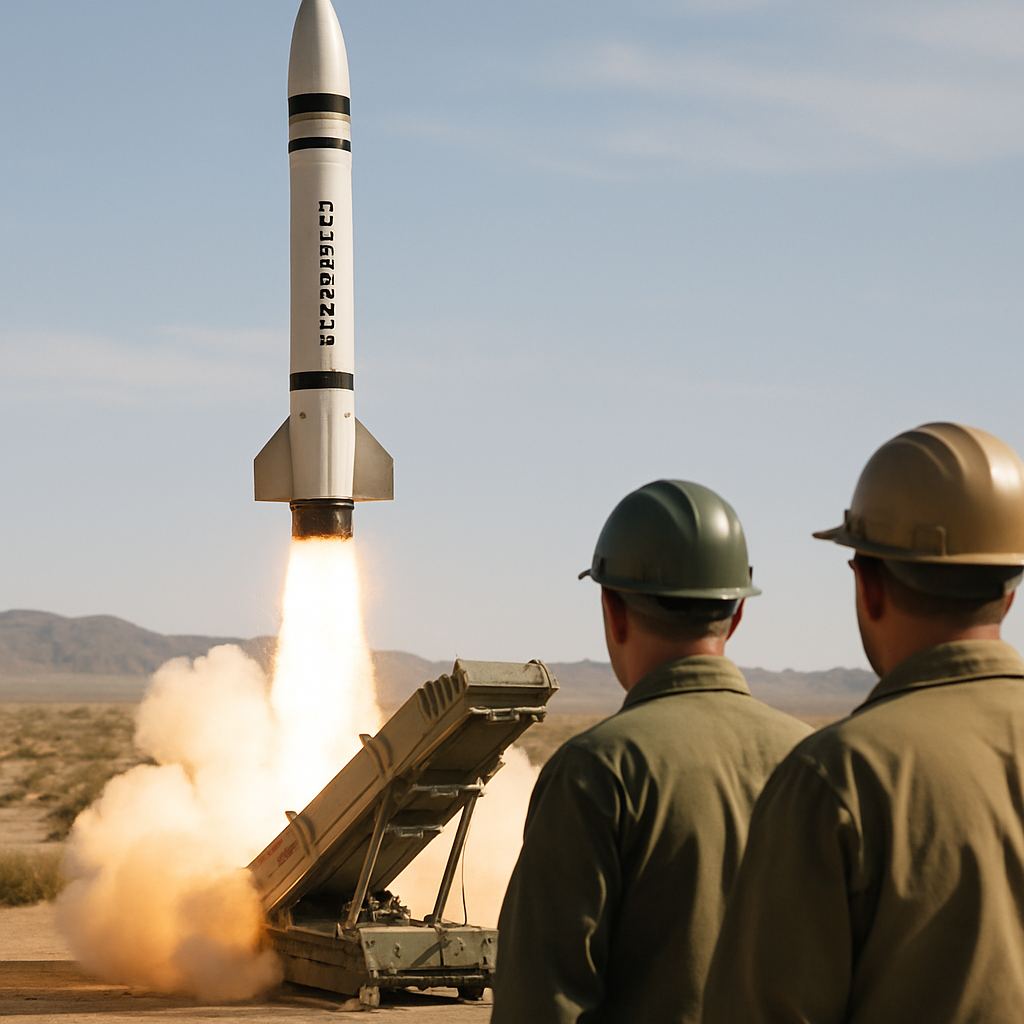
Furientis’ operations are currently anchored in a facility in Los Angeles. Prototype trials take place at White Sands, New Mexico. The company’s immediate manufacturing goal is to produce 1,000 interceptor systems annually per factory. While that scale is still ahead, early testing occurs every couple of weeks, an aggressive cadence compared to established defense primes, which often move much more slowly.
It’s not alone. Several defense tech startups—including names like Anduril, Castelion, and Shield AI—are racing alongside Furientis to deliver mass-produced interceptor solutions. Meanwhile, longstanding contractors such as Lockheed Martin and Raytheon are under pressure to modernize production cycles that have traditionally been lengthy and costly.
Benchmark sees room for multiple contenders in this emerging field. The firm believes that the scale of need, combined with the ability to execute rapidly, opens up opportunities for more players focused on defense hardware production.
New funding will support expanding production capacity, refining designs, continuing bi-weekly field testing, and scaling toward the targeted output. Furientis also already holds a funded Pentagon contract to build mid-range interceptors, giving it a foot in the door of defense procurement.
Where once investing in defense tech was seen as a slow, ethically fraught business, recent strategic urgency has shifted that view. Conflicts abroad eroding the U.S.’s missile stockpiles have changed both investor appetite and government responsiveness—leading to accelerated contracting timelines for companies that deliver fast, low-cost solutions.
Analytical take: Furientis’ rise reflects a turning point in defense startup investing. Its strategy underscores a shift in priorities from unmatched performance toward volume, affordability, and speed. The future of missile defense may depend less on exotic components and more on whether small, agile teams can meet real demand. Key risks to watch: whether rapid production can maintain reliability, how procurement regulations adjust for non-traditional suppliers, and whether multiple competitors diluting market share could slow down the very scale policy makers are demanding.