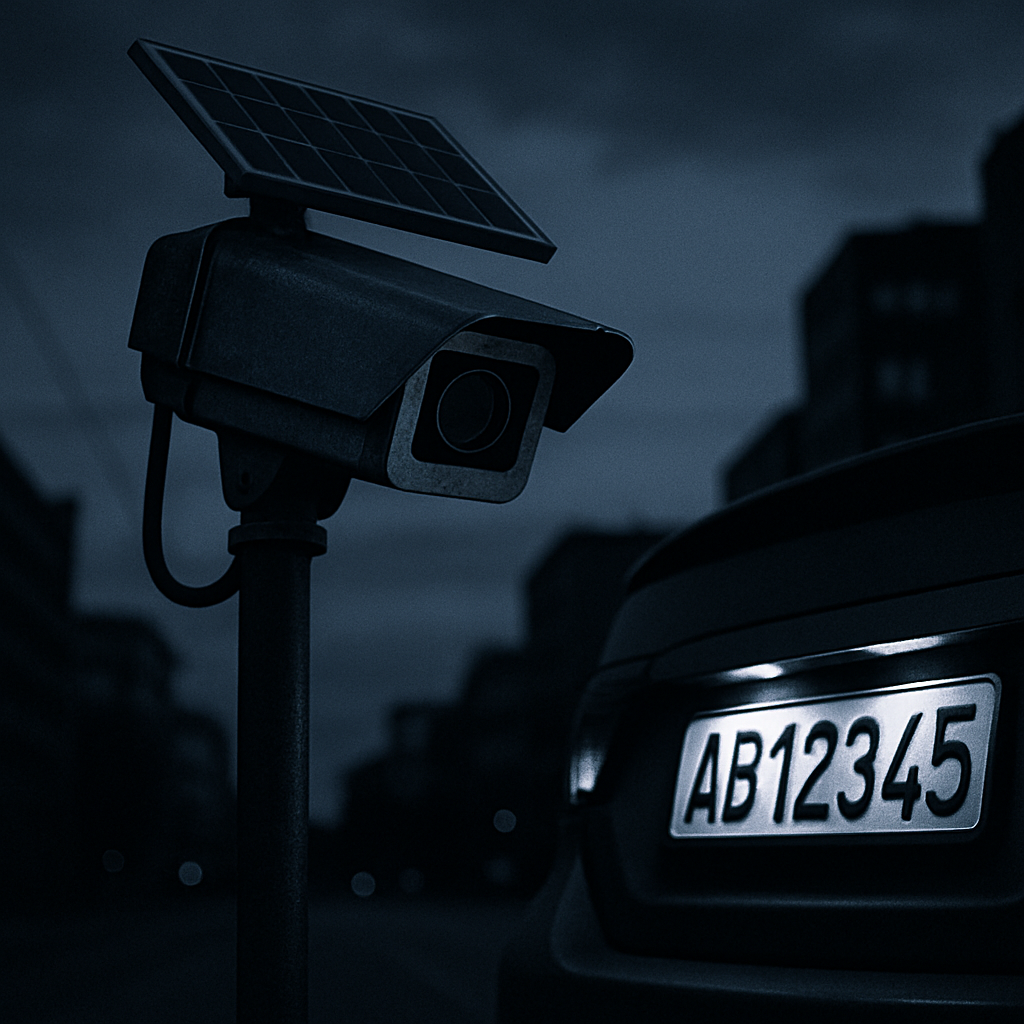
Garrett Langley, CEO of surveillance-tech firm Flock Safety, is pushing for a middle ground in the ongoing debate pitting public safety against privacy rights. During a recent Fox News interview, Langley emphasized that neither privacy nor safety should dominate the discussion; instead, he argued the U.S. needs policies that balance both concerns. This comes at a moment when Flock is under intense scrutiny for how its cameras, drones, and license-plate recognition tools might be misused. ([techcrunch.com](https://techcrunch.com/2026/08/23/flock-ceo-calls-for-compromise-as-surveillance-company-faces-growing-backlash/))
Credible Misuse Claims Spark Wider Concern
Tension around Flock’s practices isn’t theoretical. A Washington Post investigation identified at least 46 instances in recent years in which police allegedly used Flock’s tools improperly — for example, tracking or surveilling intimate partners without authorization. Langley acknowledged one such case publicly, offering an apology to a woman interviewed by CBS News. While he denied Flock developed tools for abuse, he claimed the company has exposed wrongdoing and created tools to detect it. ([techcrunch.com](https://techcrunch.com/2026/08/23/flock-ceo-calls-for-compromise-as-surveillance-company-faces-growing-backlash/))
The backlash crosses party lines. Democrats — including Michigan Senate candidate Abdul El-Sayed and Senator Bernie Sanders — have singled out Flock in their rhetoric against mass surveillance. On the Republican side, a group of House members introduced legislation to ban the federal acquisition of automated surveillance systems using facial recognition, biometric IDs, or license plate recognition — specifically naming Flock cameras. ([techcrunch.com](https://techcrunch.com/2026/08/23/flock-ceo-calls-for-compromise-as-surveillance-company-faces-growing-backlash/))
Policy Shifts and Push for Clear Regulations
Responding to criticism, Flock has reduced the default period it retains data from 30 days down to seven. The company also now requires users to enter a case code before accessing collected data. However, some of these protections are optional; law enforcement can still preserve data indefinitely under a mode called “Evidence Mode.” ([techcrunch.com](https://techcrunch.com/2026/08/23/flock-ceo-calls-for-compromise-as-surveillance-company-faces-growing-backlash/))
Langley has called on states to criminalize unauthorized use of Flock’s data. He insists while the company has made changes, there’s still a lack of consistent accountability and regulation across jurisdictions — a gap he believes must be addressed. Flock’s CEO will further address these issues at the upcoming Disrupt conference in October. ([techcrunch.com](https://techcrunch.com/2026/08/23/flock-ceo-calls-for-compromise-as-surveillance-company-faces-growing-backlash/))
It’s useful to recall the larger landscape here. License plate readers, facial recognition software, and perpetual camera surveillance have become tools of public safety — but also flashpoints in broader debates over civil liberties, governance, and privacy. What makes Flock’s case particularly combustible is its combination of technological reach and largely unregulated deployment.
What this signals: Flock is under pressure not just to tweak policies, but to be part of setting the rules. Its recent data-storage and access changes may be first steps, but critics and regulators are watching for legislative backing, enforceable safeguards, and technology design that defaults toward limiting misuse. What to watch: bills across state legislatures and in Congress, legal rulings on surveillance misuse, and whether tech firms develop transparency tools that go beyond PR gestures. This isn’t just about Flock — it’s about the balance the nation will strike between security demands and privacy protections in an AI-augmented age.