Apple is just under two weeks away from unveiling its much-anticipated smart display, according to the latest reporting. Fresh leaks have revealed detailed design specs for this new smart home hub, painting a picture of a device that aims to combine modern minimalism with nostalgic design cues.
Design & Build: Blending Iconic Styling with Modern Touches
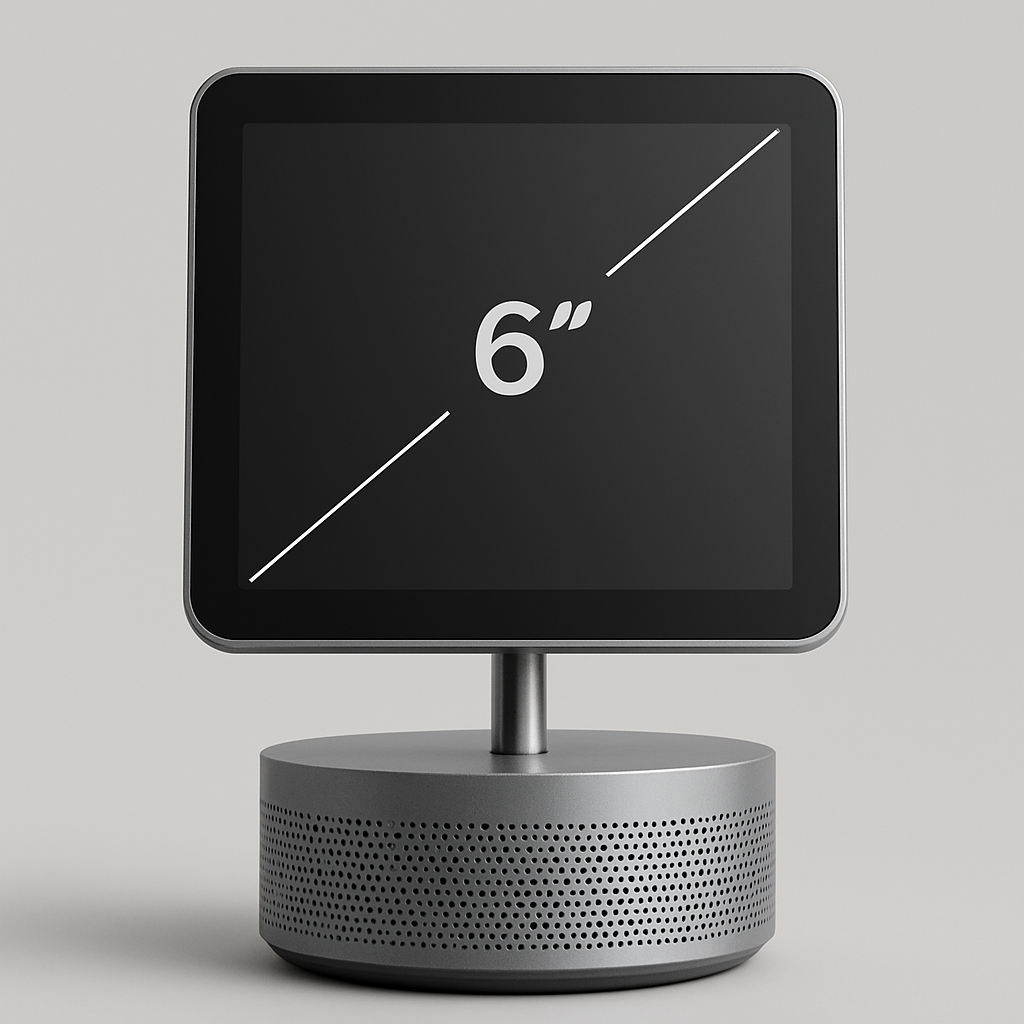
The forthcoming hub will feature a 6-inch square screen, mounted on a striking assembly that recalls the half-dome base and articulated metal arm of the classic iMac G4. The display will have quarter-inch black bezels—think older iPad styles—and rounded corners with no sharp edges. As for thickness, the device is said to be “about as thick as an iPhone.”
Externally, Apple’s standard gray aluminum finish will dominate, while the bottom will sport a rubberized surface for grip when placed on surfaces. The display tilts both forward and backward thanks to its polished metal arm, which connects to a circular metal base perforated with concentric rings of speaker holes. Notably, there are no traditional volume or power buttons visible.
Power, Cameras, and Versions
Power will be supplied via USB-C, with no internal battery, meaning the display must remain plugged in. In terms of cameras, there will be a single front-facing FaceTime cam; Apple has reportedly decided against including a rear camera.
Alongside the tabletop version, there will be a wall-mountable model of the smart hub. This version replaces the round base with a thin, square speaker- and mic-housing slab that sits flat below the screen when mounted. Like its desktop counterpart, it also uses USB-C for power.
The device’s bezel styles, arm design, and choice of materials suggest Apple is targeting the smart display space with a product that wants to feel premium yet familiar—invoking nostalgia while maintaining modern functionality.
Launch timing and product identity: All signs point to the device being released in mid-October. Internal references name it not just as a “smart display” but as a home hub—implying that it might serve as a focal point for managing smart home devices, streaming media, and conferencing like FaceTime.
It’s unclear what operating system this will run—whether a variant of iPadOS, tvOS, or a new system—nor are there firm specs on processor, storage, or price. But with those design leaks, expectations are now much higher.
What this means: This launch could mark Apple’s most serious entry yet into the smart display category—one that leverages its design heritage, speaker and mic hardware, and smart home credentials. The absence of battery and reliance on USB-C power suggests a stationary, always-on device. The lack of rear camera and visible buttons leans toward seamless, hands-off operation for media, smart home control, or video calls via FaceTime.
Preparations are underway for an announcement likely in early to mid-October, and this could be the centerpiece of Apple’s next wave of home devices.
How It Fits the Broader Picture
Earlier attempts at smart displays—including those from Google, Amazon, and smaller firms—have shown demand for devices that combine display, audio, and home automation control. What distinguishes Apple’s vision here is the premium industrial design, focusing on high-quality materials, precision engineering, and an aesthetic that references Apple’s legacy.
This leaked “hub” may also reveal Apple’s strategy ambitions: while existing products like the HomePod and Apple TV touch on home-connectivity and media, neither combines a display with desktop-like presence. If executed well, this new device may redefine expectations for home hubs.
Why it matters: For consumers, this could mean a device that blends the utility of a tablet, the permanence of a speaker, and the presence of a centerpiece in a room. For Apple, it could open a new category that bridges its smart home ecosystem and hardware finesse. What to watch: price, smart home integration (HomeKit or wider), and whether software lives up to the polished hardware.