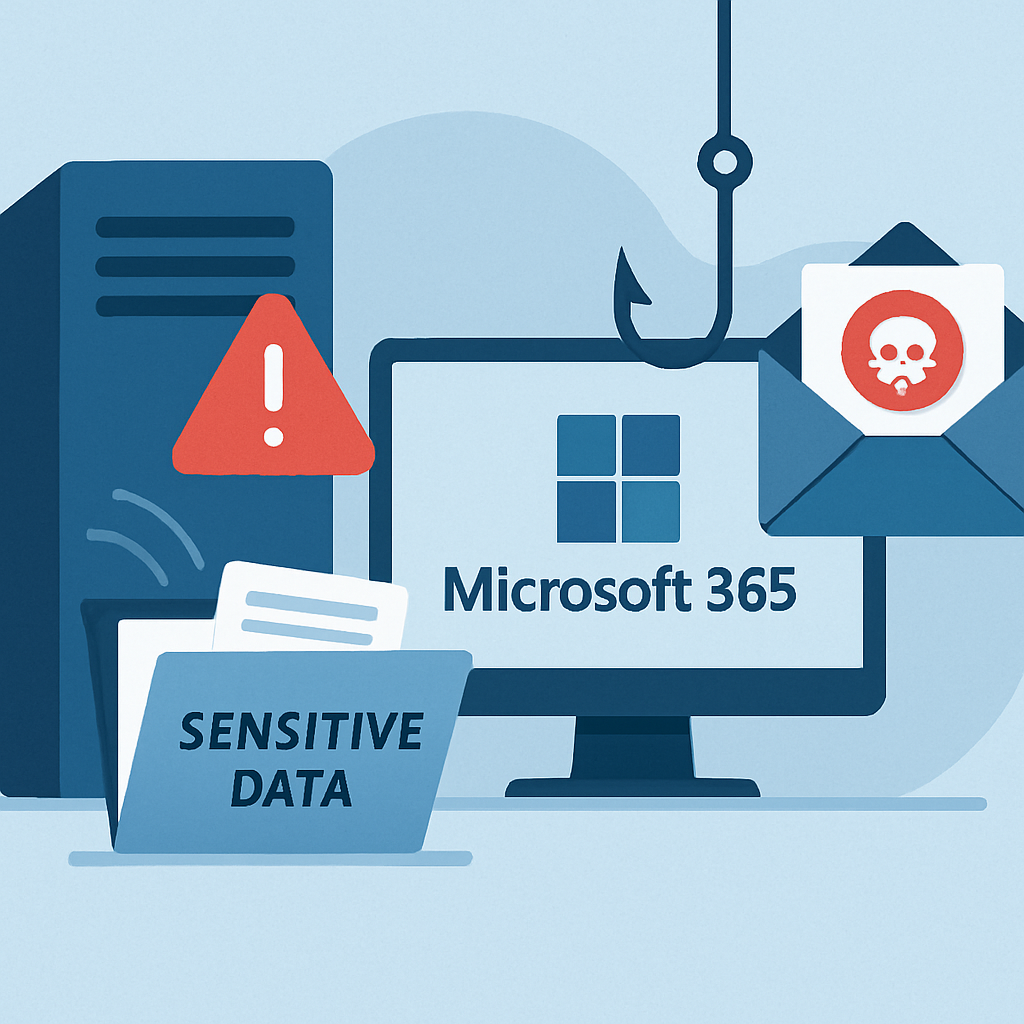
FBI and Indonesian Authorities Dismantle W3LL Phishing Network Behind $20 Million Fraud Attempts
In a significant blow to global cybercrime, the U.S. Federal Bureau of Investigation (FBI), in collaboration with the Indonesian National Police, has successfully dismantled the infrastructure of a sophisticated phishing operation known as W3LL. This operation, which utilized an advanced phishing toolkit, has been responsible for the theft of thousands of account credentials and has attempted frauds exceeding $20 million.
The W3LL Phishing Toolkit:
The W3LL phishing kit was a comprehensive tool that enabled cybercriminals to create counterfeit login pages resembling legitimate websites. These deceptive pages were designed to trick unsuspecting users into entering their credentials, which were then harvested by the attackers. The toolkit was commercially available for approximately $500, making it accessible to a wide range of cybercriminals.
Arrest and Seizure:
Authorities have detained the alleged developer of the W3LL toolkit, identified as G.L., and have seized several key domains associated with the phishing scheme. The FBI emphasized the significance of this takedown, stating that it effectively cuts off a major resource used by cybercriminals to gain unauthorized access to victims’ accounts.
A Full-Service Cybercrime Platform:
FBI Atlanta Special Agent in Charge, Marlo Graham, highlighted the comprehensive nature of the W3LL operation, describing it as more than just a phishing scheme but a full-service cybercrime platform. He reiterated the commitment of law enforcement agencies to collaborate both domestically and internationally to protect the public from such threats.
Historical Context and Operations:
The W3LL operation was first documented by cybersecurity firm Group-IB in September 2023. The firm revealed that the operators utilized an underground marketplace called the W3LL Store, which catered to approximately 500 threat actors. This marketplace offered access to the W3LL Panel phishing kit and other tools designed for business email compromise (BEC) attacks.
Group-IB described W3LL as an all-in-one phishing platform, providing services ranging from custom phishing tools and mailing lists to access to compromised servers. The threat actor behind W3LL is believed to have been active since 2017, previously developing bulk email spam tools like PunnySender and W3LL Sender.
Extent of the Compromise:
According to the FBI, the W3LL Store also facilitated the sale of stolen credentials and unauthorized system access, including remote desktop connections. Between 2019 and 2023, it is estimated that over 25,000 compromised accounts were sold through this platform.
Advanced Techniques:
The W3LL toolkit primarily targeted Microsoft 365 credentials. It employed adversary-in-the-middle (AitM) techniques to hijack session cookies, effectively bypassing multi-factor authentication measures. This advanced method allowed attackers to maintain persistent access to compromised accounts.
Connections to Other Phishing Kits:
In 2024, French security company Sekoia analyzed another phishing kit known as Sneaky 2FA and discovered that it reused portions of code from the W3LL Store phishing syndicate. This indicates a level of code-sharing and collaboration among different cybercriminal groups.
Continued Operations Despite Shutdown:
Even after the W3LL Store was shut down in 2023, the operation continued through encrypted messaging platforms. The toolkit was rebranded and actively marketed, leading to its use in targeting more than 17,000 victims worldwide between 2023 and 2024. The developer behind W3LL not only collected but also resold access to compromised accounts, amplifying the reach and impact of the scheme.
Broader Implications:
The dismantling of the W3LL phishing network underscores the persistent and evolving nature of cyber threats. It highlights the importance of international cooperation in combating cybercrime and the need for continuous vigilance and adaptation by both law enforcement agencies and individuals to protect against such sophisticated attacks.