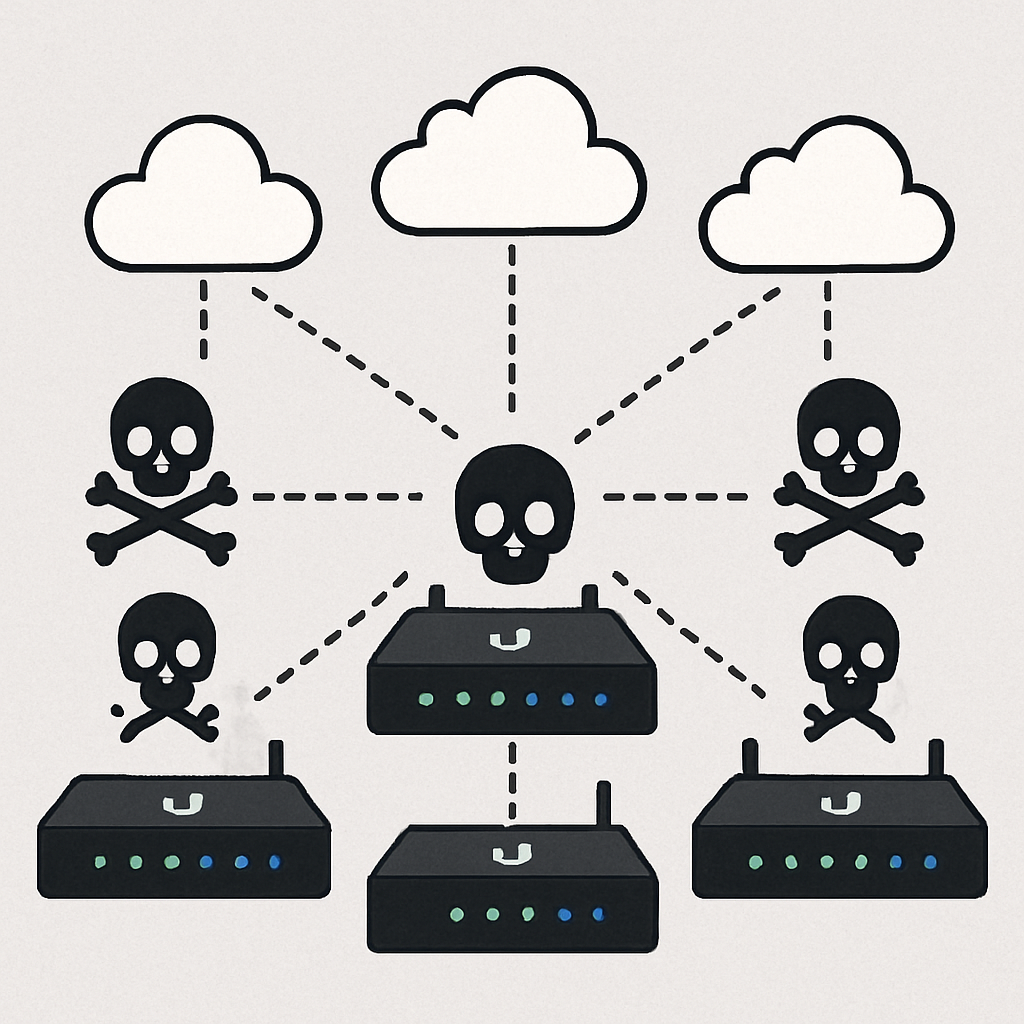
The Russian state-sponsored hacking group known as Fancy Bear, or APT28, has adopted new tactics to enhance the stealth and effectiveness of its cyber operations. By compromising consumer-grade routers and leveraging cloud services, the group has developed a resilient and elusive attack infrastructure.
APT28 has a long history of targeting government agencies, defense organizations, and critical infrastructure, particularly within NATO member states and Ukraine. Traditionally, the group relied on rented virtual private servers (VPS) to manage its command-and-control (C2) operations. However, recent analyses indicate a significant shift towards hijacking small office/home office (SOHO) routers and edge devices to build a more covert network.
Hijacking Consumer Routers
In April 2022, APT28 repurposed a botnet constructed with the MooBot malware, seizing control of hundreds of Ubiquiti EdgeRouters. This botnet served multiple functions: relaying stolen authentication hashes toward Microsoft Exchange servers, hosting phishing pages on residential IP addresses, and executing custom Python scripts on the compromised routers. Despite the FBI’s Operation Dying Ember dismantling this network in 2024, over 350 datacenter servers continued to communicate with attacker-controlled infrastructure, underscoring the resilience of such botnets.
By 2026, the group expanded its focus to include MikroTik and TP-Link routers in a campaign dubbed FrostArmada. Attackers altered DNS settings on these devices, redirecting network traffic through their own servers. This manipulation allowed APT28 to intercept login credentials and other sensitive information from all devices connected to the compromised networks.
Abuse of Cloud Services
In addition to router hijacking, APT28 has increasingly exploited legitimate cloud and content delivery network (CDN) platforms to host phishing kits and distribute malware. By utilizing trusted services such as Google, Microsoft Azure, and AWS CloudFront, the group can bypass traditional security filters, as traffic from these domains appears legitimate. This tactic enhances the credibility of phishing campaigns and complicates detection efforts.
Furthermore, the group has been observed exploiting exposed cloud credentials to hijack enterprise AI systems. By targeting non-human identities like API keys and service accounts, attackers can gain unauthorized access to cloud-based AI models, leading to data exfiltration and potential financial exploitation.
APT28’s evolving strategies highlight the increasing sophistication of state-sponsored cyber threats. The shift towards compromising consumer devices and abusing cloud services not only enhances the group’s operational stealth but also poses significant challenges for detection and mitigation. Organizations must adopt comprehensive security measures, including regular firmware updates for network devices, robust monitoring of cloud resources, and employee education on phishing tactics, to defend against such advanced threats.