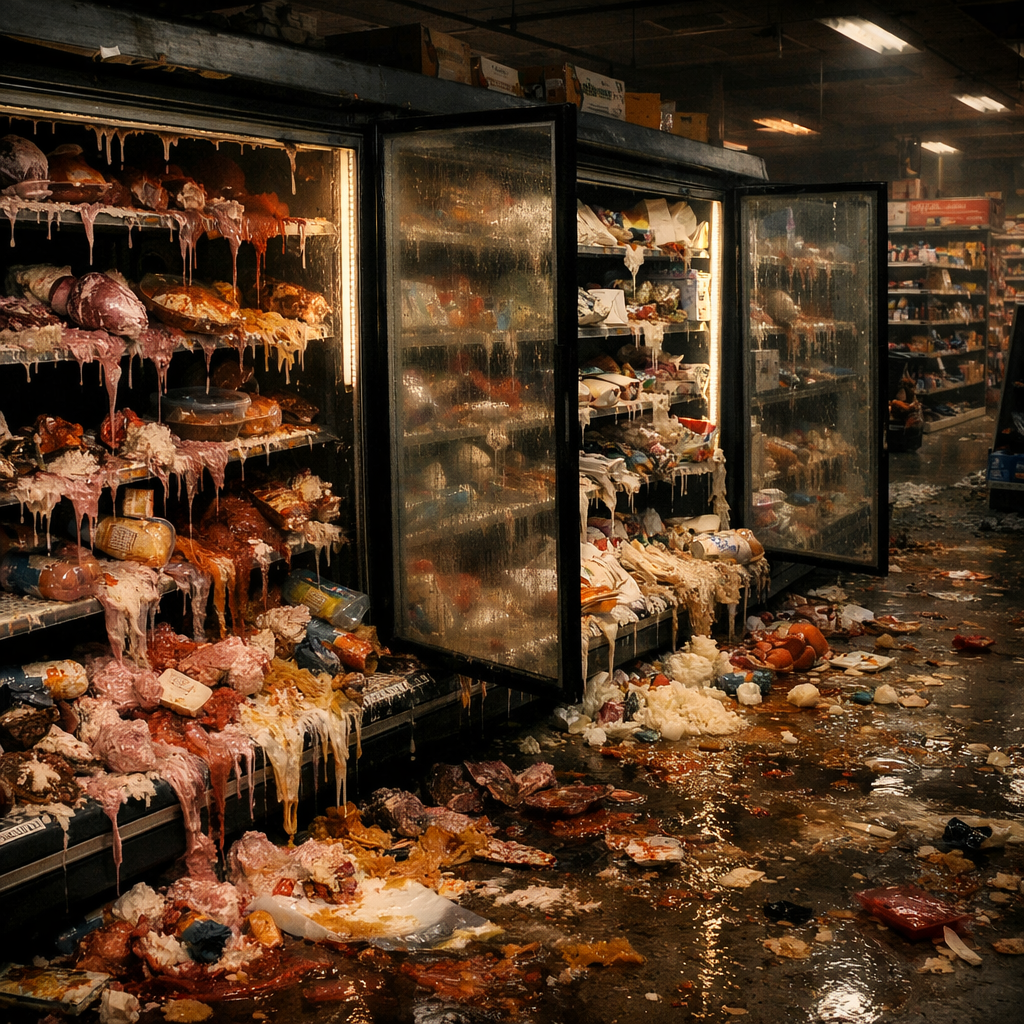
A coordinated cyberattack is being blamed for the destruction of food across multiple European countries, where supermarket refrigerators were compromised to raise temperatures, ruining perishables and triggering financial losses for retailers. Belgium, Ireland, Luxembourg, and Sweden are among the nations affected.
Retailers like Ahold Delhaize and Colruyt have acknowledged overnight intrusions in which hackers altered refrigerator settings—switching units to defrost mode in at least one case—resulting in food spoilage. At stores managed by Delhaize, large volumes of inventory were discarded as defrosted or unsafe for consumption. Supermarket chains are now evaluating the breadth of damage across their stores.
Echoes of a recent incident
This attack mirrors an earlier wave in France last month when hundreds of supermarkets suffered similar losses after hackers manipulated connected refrigeration units to raise internal temperatures intentionally. In that episode, security researchers traced the vulnerabilities to internet-linked refrigerators made by Danish manufacturer Danfoss. The company reportedly had stopped delivering security updates for those models—a factor seen as exacerbating the risk.
Further back in August, cybersecurity firm Claroty warned of remote attack risks associated with those same refrigerators. It flagged Danfoss’s devices as lacking up-to-date patches and at risk of being commandeered by threat actors due to readily accessible internet connections.
Wider implications for food supply & infrastructure security
The recent attacks underscore how cyber threats are no longer abstract—they’re disrupting essential infrastructure and the food supply chain. Experts point out that many industries don’t treat refrigeration or environmental control systems with the same security rigor as IT networks, leaving them vulnerable. Across the Atlantic, massive food shortages and shelf shortages followed attacks in 2025 on American food distributor UNFI, which fueled concerns about cascading impacts of similar breaches.
Also under investigation are reports that icy storage units on U.S. military bases may have been compromised by Iran-backed hackers, following incidents this year targeting utilities and water providers. Though separate, these episodes share a common thread: insecure, connected devices used to deliver or protect essential services are being targeted more frequently.
So far, manufacturers and retailers are scrambling to identify which refrigerator models were affected, isolate compromised systems, and restore security—and cold chain integrity—across their networks. Governments are also being pressed to issue guidance or mandates to improve cybersecurity in industrial and retail infrastructure.
What this means is clear: cybersecurity isn’t just about data—it’s about keeping lights on, food cold, lives normal. These attacks show that when organizations leave devices like refrigerators exposed to the internet without adequate safeguards—patching, monitoring, segmentation—the risk isn’t theoretical. The cost is real and immediate.