The European Commission has initiated talks with Apple concerning ongoing complaints that iPhone users are being blocked from using browser engines other than Apple’s WebKit. These discussions follow an open letter signed by Mozilla, Shopify, and a coalition representing as many as 55,000 EU organizations, arguing that while Apple technically allows alternative engines, the way the policy is designed makes implementation impractically difficult.
What’s at stake with iPhone browser engines
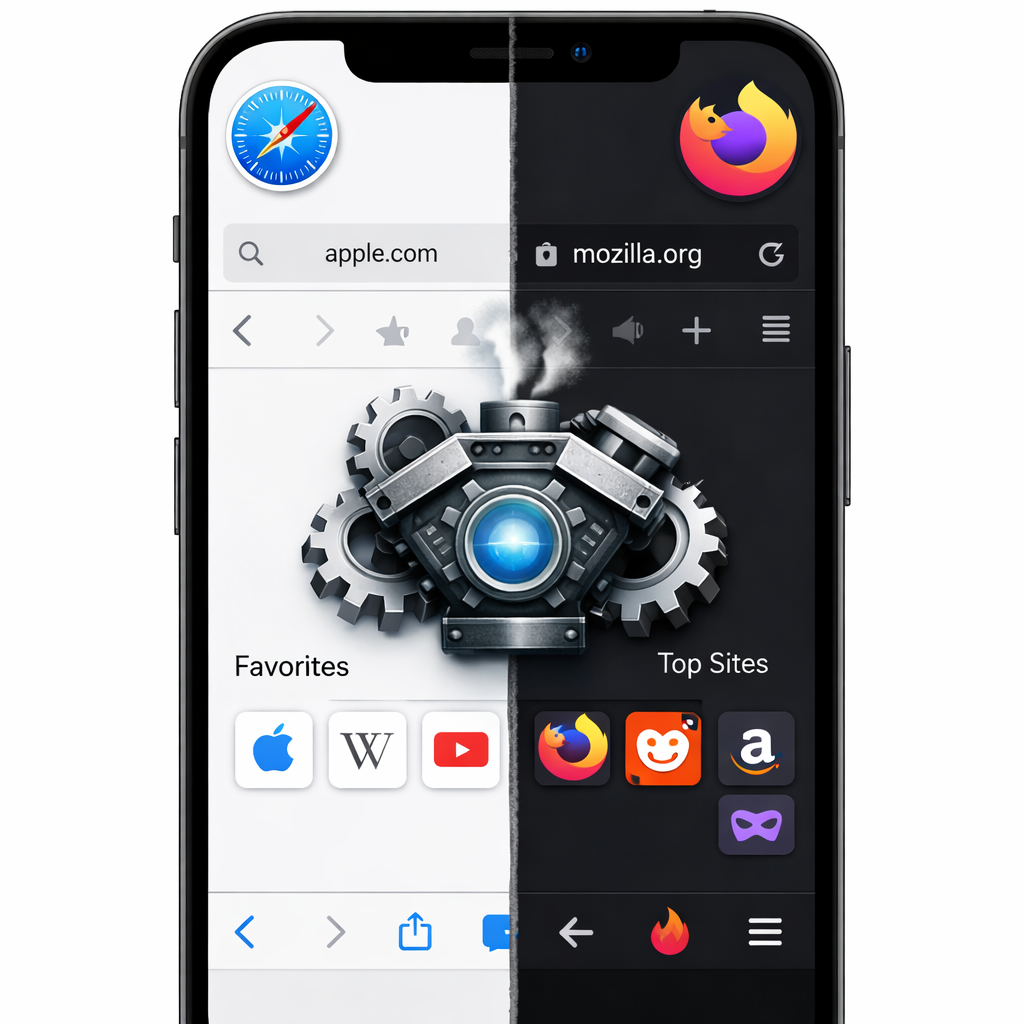
Under Europe’s Digital Markets Act (DMA), Apple made changes in iOS 17.4 to permit third-party browser engines. Currently, all browsers on iPhone, including Firefox, are forced to use WebKit under the hood. Mozilla wants to bring its Gecko engine—used on desktop Firefox—into iPhone browsers, to enable more Firefox features for iPhone users. However, it says Apple’s policies require the creation of a wholly separate app in order to migrate users off WebKit. That means users would have to download a new version of Firefox and manually transfer their browsing data like bookmarks, passwords, and history. Mozilla argues that moving users via simple updates isn’t allowed under the current rules.
The coalition claims that despite the DMA requirements, no browser maker has successfully shifted its existing user base from WebKit to an alternative engine more than two and a half years after Apple’s compliance deadline. The group has asked the European Commission to begin formal proceedings against Apple to remove what they call structural barriers to fair browser competition.
Responses from stakeholders
A spokesperson for the European Commission has stated that it is “in dialogue with Apple” and is also consulting with the coalition about how rival browsers can robustly compete with Safari on Apple devices. The Commission sees browser competition as a DMA priority because browsers serve as the gateway for web access and content distribution.
Apple, meanwhile, maintains that its requirements for competing browser engines are essential to protect users from malicious websites and related security risks. Developers wanting approval must adhere to Apple’s privacy and security standards, and also commit to timely patching of vulnerabilities.
The coalition’s open letter suggests that Apple has made compliance with the DMA more about form than substance—allowing alternative engines in name but withholding the practical ability for users to make real use of them.
What’s new is the EU’s increasing willingness not just to regulate, but to enforce. With formal proceedings under consideration, Apple may be facing real consequences for its implementation of browser engine rules.
The larger picture: This clash is part of broader global regulation efforts aimed at Big Tech’s control over digital ecosystems. As laws like the DMA force platforms to open up, companies like Apple are rethinking long-held policies, especially around app ecosystems and content control. What’s being tested here is whether rules meant to promote competition can truly push through entrenched technical and user-experience levers.