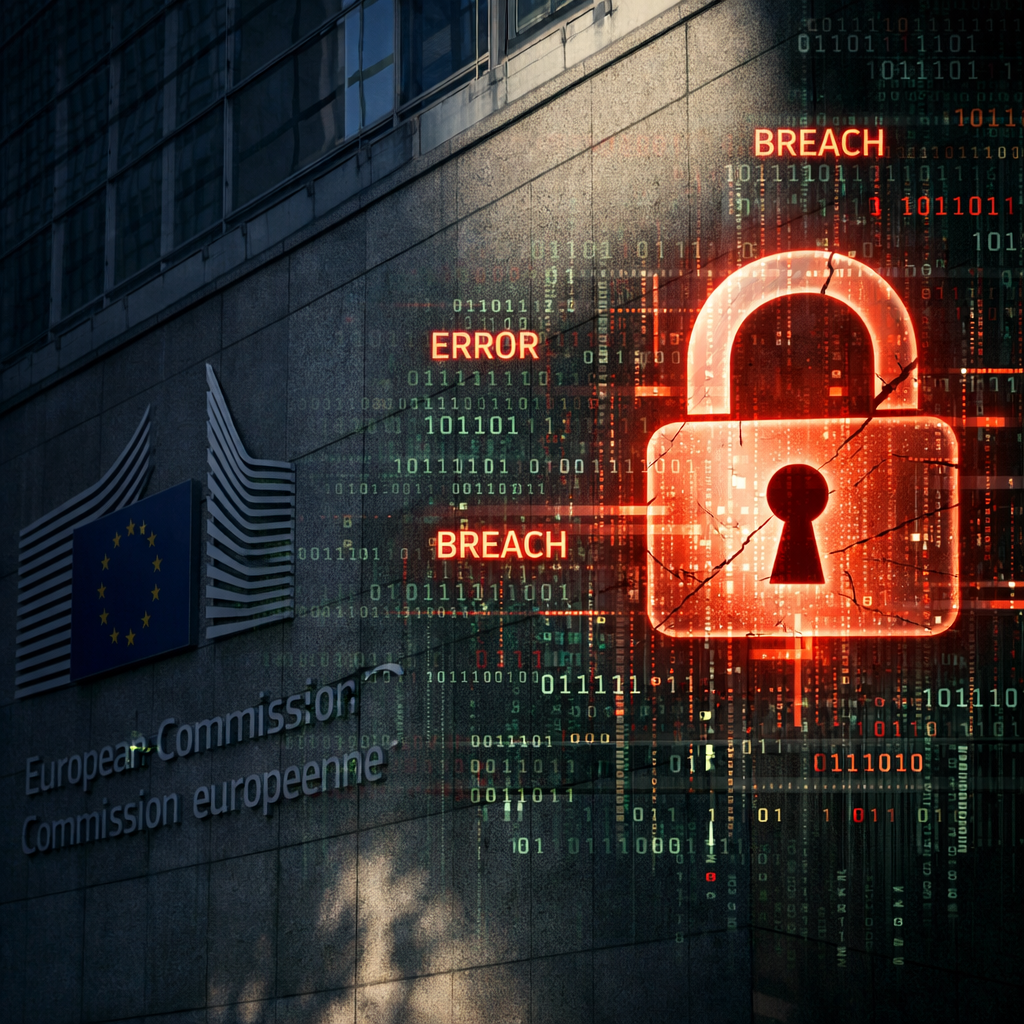
The European Commission has suspended access to its EU Academy platform after confirming that a cyberattack exposed users’ names and email addresses. The public was locked out of the online learning service on Monday, November 23, 2026, pending further investigation. The Commission has not yet disclosed how many individuals were affected or how long the disruption will last.
Scope of the Breach
The EU Academy hosts a range of courses and workshops created by European Union institutions. While the Commission has verified that names and email addresses were compromised, it has not confirmed whether passwords or other sensitive data were accessed. This marks the first time one of the Commission’s outreach tools has been acknowledged as leaking personal user data in the broader cybersecurity incident affecting multiple services. Public access to the Academy remains disabled while the breach investigation continues.
Timeline and Investigation Details
Commission officials say the cyber campaign was first detected on October 22 and publicly disclosed on October 26 following internal review. The disruption impacted internal tools—like those for timesheet submissions and medical reimbursements—but there is no confirmation yet that files handled by those tools were accessed by attackers.
The investigation also revealed that the threat actors used an AI-assisted tool during the attack. However, the Commission has not explained how the makers of the attack leveraged that tool or how the attackers first gained entry into the EU Academy system. The distinction is important for assessing the severity and learning how to defend against similar AI-linked threats.
Attribution and Ongoing Risk
Some sources close to the probe privately suggest a China-backed group could be involved, but this has not been officially confirmed. Officials warn that taking down the EU Academy does not mean the whole incident has been contained—other systems may remain vulnerable or compromised.
In its public communication, the Commission cautioned users to remain alert to phishing attempts. Any emails about course access or breach information should be verified by navigating directly to the Academy’s official site rather than clicking in links from messages. Even communications that include a user’s name or email should be treated with suspicion unless they come through verified channels.
While the details—how many impacted, whether login credentials were exposed, and when service will be restored—remain unclear, the confirmed exposure of basic identifiers alone presents risk. The possibility of phishing or social engineering attacks using leaked information is real. Users are advised to keep an eye on official updates through the Academy website and related Commission outlets.
The Commission must clarify whether passwords, personal identifiers such as addresses or phone numbers, or sensitive personal files were accessed. It also needs to share a schedule for restoring full platform access and improving defenses—especially around AI-assisted intrusion tools. Finally, attribution matters: knowing who is responsible will shape both political responses and future cybersecurity strategy.