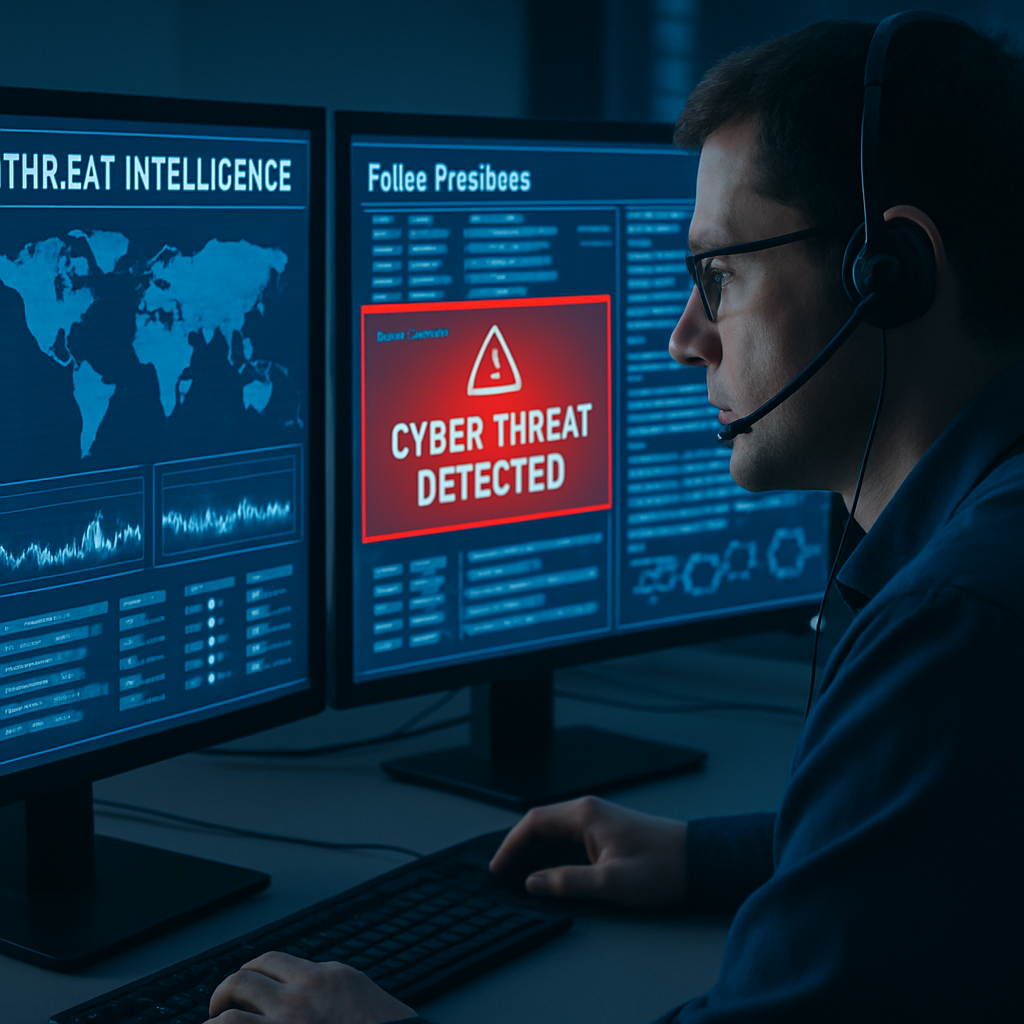
Security Operations Centers (SOCs) are inundated with alerts daily, many of which are ambiguous and require swift, accurate assessment. A common scenario involves a Tier 1 analyst receiving an alert about an employee’s device connecting to an unfamiliar domain. The alert lacks overt signs of malicious activity, presenting only basic details like the domain, IP address, and timestamp. The analyst’s challenge is to determine whether this is a false positive or an early indicator of a breach.
Traditional methods often involve consulting multiple tools: reputation services, domain registration records, and connection logs. However, these tools may provide inconclusive or fragmented information, leading to inconsistent decision-making. The key to effective triage lies in contextualizing Indicators of Compromise (IOCs) by examining their associations, recency, relevance to the alert, and related activities on the affected asset or account.
The Importance of Effective Tier 1 Triage
Each triage decision influences whether an alert is dismissed, monitored, escalated, or acted upon immediately. Ineffective triage can result in:
- False negatives: Overlooking genuine threats, allowing malicious activity to persist undetected.
- False positives: Wasting resources on benign events, leading to alert fatigue and potential oversight of real threats.
For instance, a newly registered domain could be part of a legitimate startup’s online presence or a phishing campaign. Similarly, a connection to a suspicious IP might indicate malware communication or a misclassified server. Analysts must transform isolated data points into comprehensive evidence to make informed decisions.
Integrating Threat Intelligence for Informed Decisions
To enhance triage efficiency, SOCs should integrate threat intelligence that provides immediate, actionable context. This approach enables analysts to:
- Identify associations with known malware, phishing schemes, or command-and-control activities.
- Assess the recency of the indicator’s activity to determine its relevance.
- Understand the indicator’s role in the alert, such as whether it was merely resolved or actively engaged.
- Examine concurrent activities on the affected asset, like unusual process executions or authentication anomalies.
By leveraging enriched threat intelligence, Tier 1 analysts can make quicker, more accurate decisions, reducing the likelihood of both false positives and false negatives. This not only streamlines SOC operations but also strengthens the organization’s overall security posture.
Incorporating comprehensive threat intelligence into the triage process is essential for SOCs aiming to improve detection accuracy and response times. By providing analysts with the necessary context, organizations can better distinguish between benign activities and genuine threats, ultimately enhancing their cybersecurity defenses.