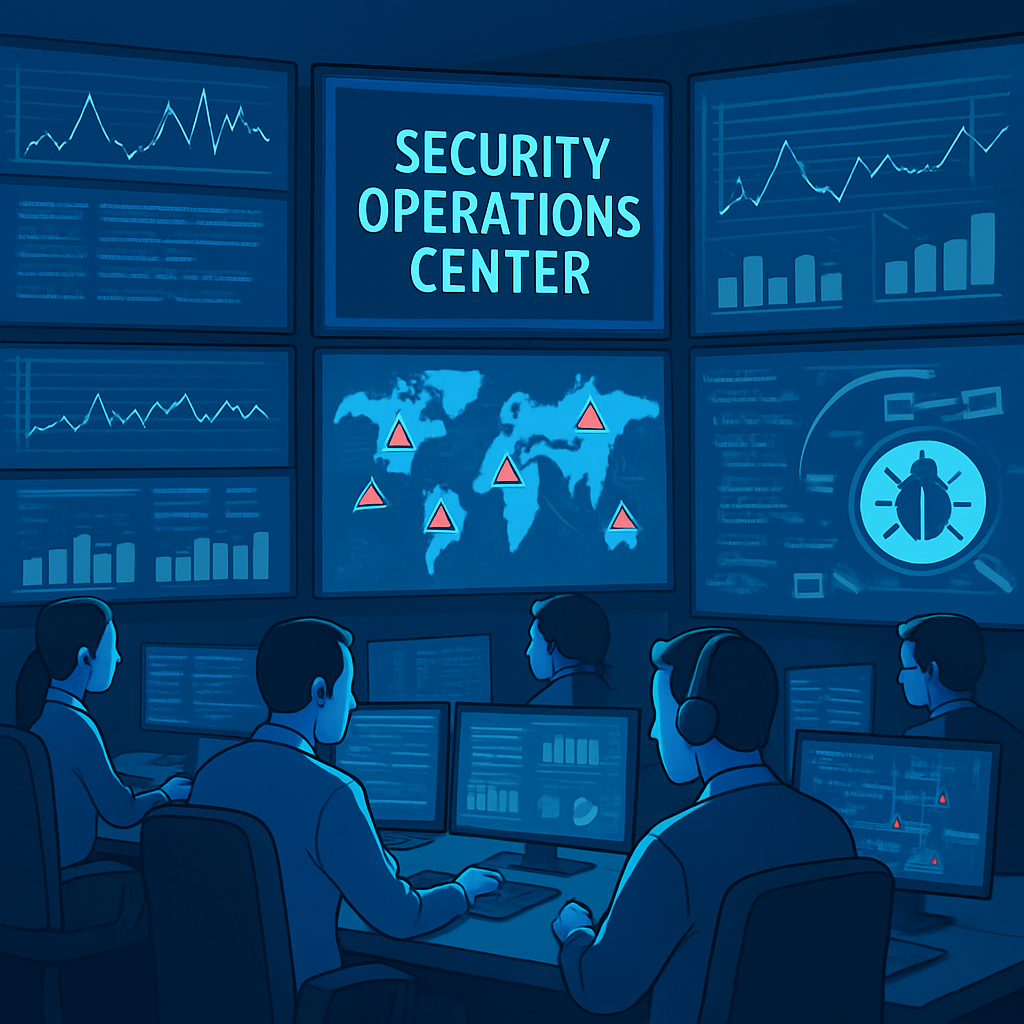
Security Operations Centers (SOCs) are increasingly burdened by the sheer volume of alerts they must process daily. Each alert necessitates a thorough investigation, requiring analysts to validate indicators, identify malicious behaviors, assess threat scopes, and decide on containment or escalation. This fragmented approach not only consumes valuable time but also contributes to alert fatigue, potentially leading to overlooked threats and delayed incident responses.
One significant consequence of this fragmentation is an increased Mean Time to Respond (MTTR). Senior analysts often find themselves reviewing cases that Tier 1 teams could have resolved more efficiently if equipped with better intelligence and behavioral evidence. Implementing a connected threat intelligence workflow can substantially alleviate this burden.
Integrating Threat Intelligence Solutions
Incorporating live threat feeds, interactive malware analysis, indicator enrichment, and structured reporting can significantly reduce investigation and response times. For instance, threat intelligence feeds can filter out known malicious infrastructures before they reach the analyst queue. When an IP address, URL, domain, or file hash is already associated with malware or phishing activities, security tools can automatically prioritize the event and provide relevant context. This enables analysts to focus on high-risk alerts instead of repeatedly verifying the same indicators across multiple external sources.
Leveraging Interactive Sandbox Analysis
Interactive sandbox analysis adds behavioral proof to the triage process. Analysts can safely execute suspicious files, scripts, archives, and phishing links in an isolated environment, observing process executions, network activities, dropped files, command lines, redirects, and persistence behaviors. This method is particularly effective against evasive phishing attacks, where malicious pages may appear benign during automated scans but reveal harmful content upon user interaction. In-browser inspections can uncover injected content, changes to the document object model, HTTP requests, and attacker-controlled infrastructures.
Expanding Investigations with Threat Intelligence Lookup
Threat intelligence lookup tools enable analysts to expand a single alert into a broader investigation. A suspicious domain can lead to related phishing pages, malware samples, IP addresses, command-and-control servers, mutexes, and known attack techniques. This comprehensive approach helps teams determine whether an isolated event is part of a larger campaign. Enhanced context also improves incident response by identifying related infrastructures, secondary payloads, persistence mechanisms, and affected endpoints, thereby reducing the risk of partial containment.
Structured Reporting for Efficient Incident Response
Structured reports provide another key efficiency improvement. A Tier 1 analyst can document the verdict, indicators of compromise, observed behaviors, relevant MITRE ATT&CK techniques, process trees, and recommended next steps in one comprehensive report. This allows Tier 2, Tier 3, and incident response teams to act on validated evidence rather than having to recreate the investigation from scratch.
By integrating these strategies, SOCs can enhance their efficiency, reduce alert overload, and decrease MTTR, ultimately strengthening their overall security posture.
In an era where cyber threats are becoming more sophisticated and pervasive, optimizing SOC operations is not just beneficial but essential. Implementing connected threat intelligence workflows, interactive sandbox analyses, and structured reporting can transform SOCs from reactive units into proactive defenders, capable of swiftly identifying and mitigating threats before they escalate.