At least ten U.S. cities and police departments have decided over the past few months to terminate or restrict their use of Flock Safety’s surveillance systems amid mounting concerns over privacy, data misuse, and limited local oversight. Actions range from ending contracts entirely to placing tight limits on how the data can be accessed and shared.
What Flock Offers — And Why It’s Causing Backlash
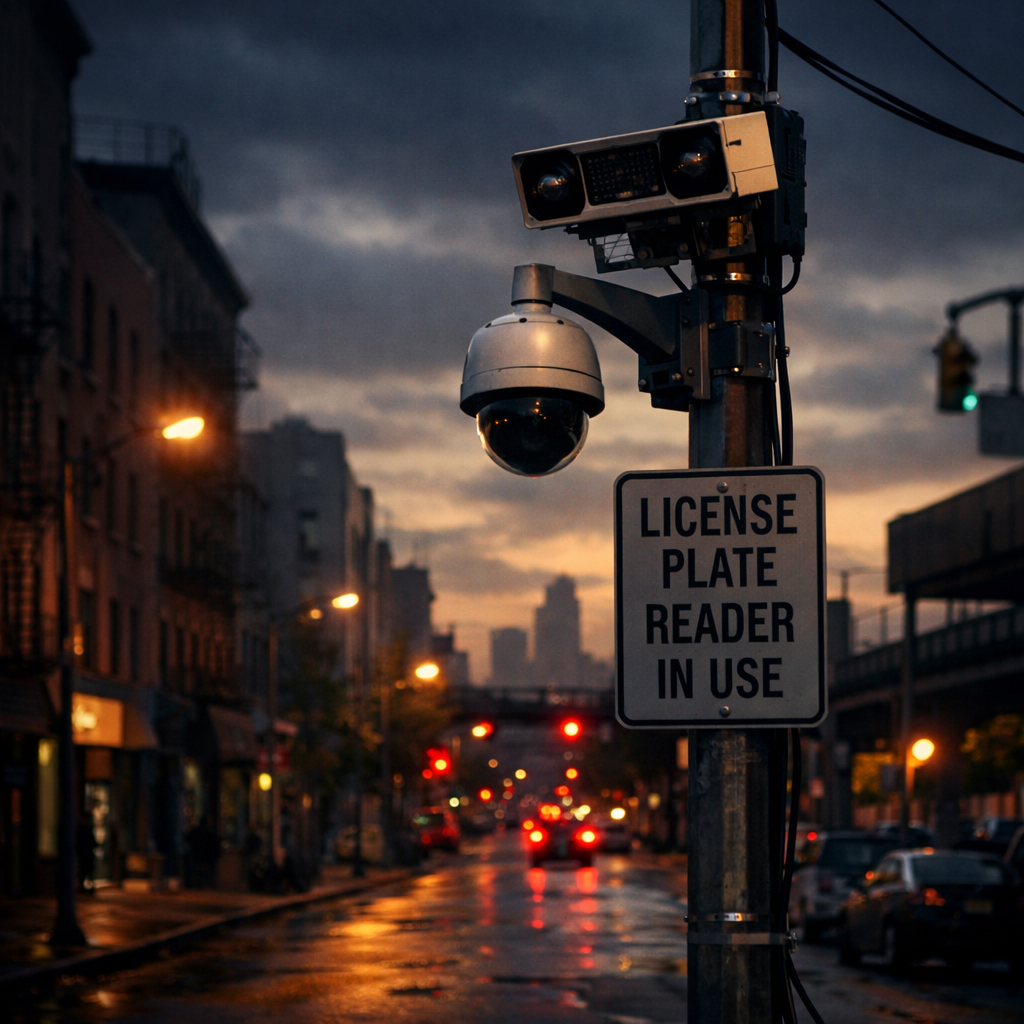
Founded in 2017, Flock Safety provides law enforcement with tools like license plate-reading cameras, gunshot detection devices, drones, and audio sensors that process sounds at the edge. More than 100,000 of its cameras are already deployed across the U.S. The company pitches these technologies as crime-fighting tools useful in tracing stolen cars, locating missing persons, and deterring violent crime.
But over the summer and into this fall, a wave of municipalities including Monroe, Ohio; Newburgh, New York; Richmond, Virginia; Hopkinton and New Bedford in Massachusetts; Lansing, Michigan; Asheville, North Carolina; and El Paso County, Colorado moved to drop or curtail Flock deployment. Leaders cited concerns centered on how the surveillance data is collected, shared, and used — especially around civil liberties, immigration enforcement, and transparency.
The Sources of Community Pushback
Privacy advocates have become increasingly outspoken. Local resolutions and public debate have called out instances where police used Flock systems to access auto license plate data without local authorization, including reports of immigration agents using the data database to track individuals without the oversight of contracting localities. In Ithaca, New York, the city ended its contract after citing federal access by ICE and ATF as a reason.
Misuse cases have also made headlines: In Missouri, an officer allegedly used Flock equipment to stalk an ex-partner during a divorce. In East Texas, another officer was convicted for similar misuse involving a former girlfriend’s family. These abuses reinforce fears that technology intended for public safety can degrade into tools for personal or unauthorized surveillance.
Where Policy Is Shifting
States are responding too. Florida barred license plate readers from state highways this summer. Texas paused state-level funding for Flock’s systems. Flock itself has made modifications: as of August, the default data retention period for new deployments has been shortened from 30 days to 7, and new requirements force the use of case codes before searches of its database.
Some cities are not cutting ties completely, but are tightening rules. In Cleveland, Ohio, the city renewed its contract but restricted immigration-related searches and limited access to its system. Regional and federal sharing of data has been curtailed following community pressure. Meanwhile, in South Windsor, Connecticut, residents only discovered last year that Flock cameras had been operating without public discussion. The town has since voted to remove them.
The Broader Stakes
What’s happening with Flock reflects a broader national reckoning with surveillance tech — from data centers and facial recognition to license plate readers. Citizens and local governments are increasingly pushing back against deployments made without public input or oversight. There’s a growing recognition that tools promising public safety can also pose threats to civil liberties when left unchecked.
The fight is spilling into statehouses too. At the federal level, lawmakers are proposing restrictions. One bill seeks to block federal funds from being used to purchase systems like Flock’s, while another aims to ban “AI-powered surveillance cameras” wholesale. Support for such measures comes from across the political spectrum, driven by public mistrust and concern for transparency.
Now, the debate centers on trade-offs: security vs. privacy, oversight vs. utility. For many cities, the conclusion is that public safety can’t come at the cost of community trust — and safeguards must be in place before systems are deployed.