In its third-quarter earnings discussion, delivery giant DoorDash disclosed that orders placed through AI agents still make up only a sliver of its volume. Over the past quarter, the company said it has received just “several hundred” orders from third-party AI agents such as Muse, Instinct, Fo, and others. That’s a drop in the bucket compared to DoorDash’s daily volume — roughly 3 million deliveries a day on average in 2025.
Current orders vs. future potential
While use of external AI agents remains rare, DoorDash recognizes users are mostly sticking with its native app to place orders. The company is nonetheless exploring how AI agents might evolve into a more regular channel. CEO Tony Xu described this as a delicate balance: staying realistic about how mature current agent-based ordering is, while being open to experimentation. He also floated the possibility of future advertising inside those agents.
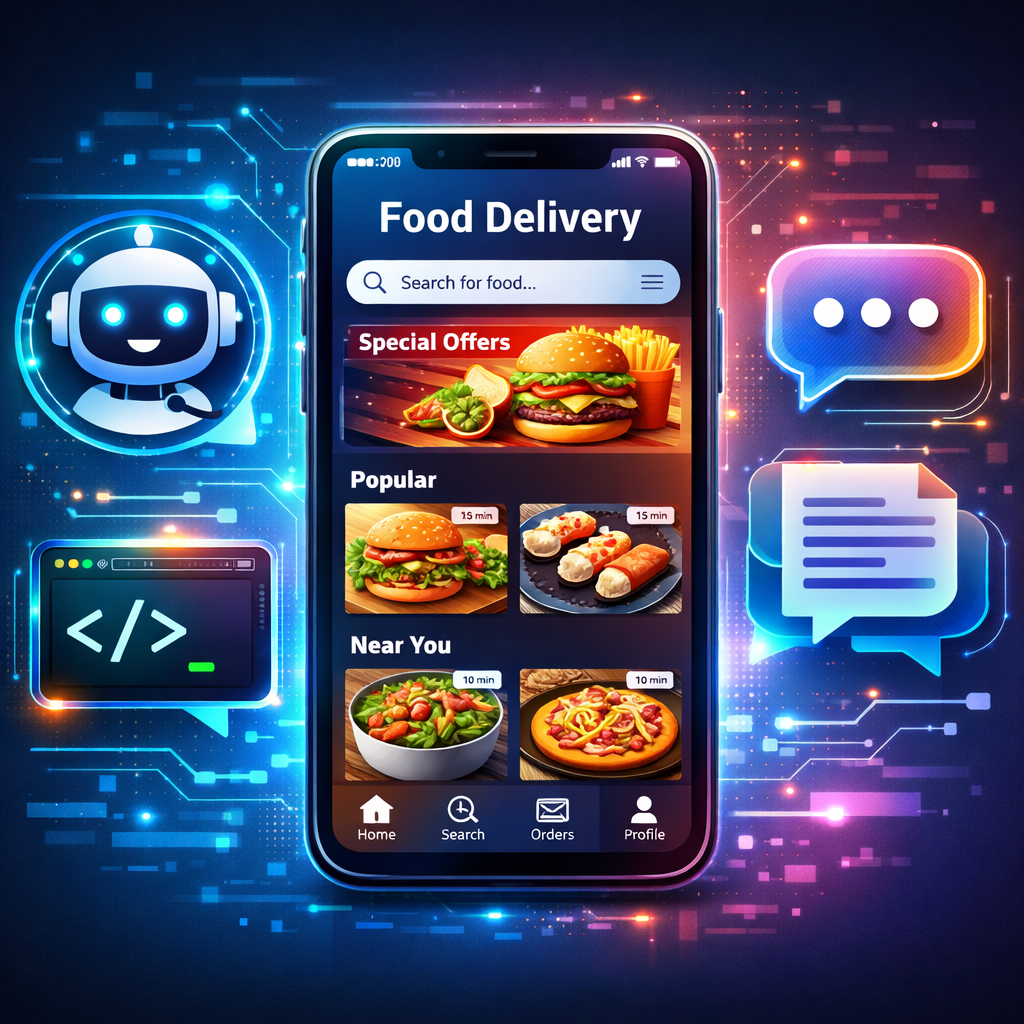
DoorDash isn’t sitting idle. It has launched its own agent tools to let users place orders via non-traditional workflows: a text-to-order agent (introduced in September), a command-line interface agent from July, and a chatbot called “Ask DoorDash,” which went live in June and accepts inputs like images and prompts. There’s also a program (MCP) designed to integrate with other chatbots for corporate orders.
The broader agent economy and platform responses
The ecosystem around AI agents is still unsettled. Some platforms, like Amazon, are pushing back — blocking personal agents from accessing their services. Others, such as Walmart, are embracing them, positioning themselves to capture business as agents grow more capable.
Inside DoorDash, these agents are viewed as “a very dynamic area.” The company claims its internal tools and exploratory investments suggest it’s preparing for a potential shift. Yet as of this report, the actual impact of third-party agents on its business remains marginal.
What this means. Order volume coming from third-party agents amounts to just a drop in DoorDash’s massive order stream. But the launch of internal tools and interest in agent advertising hint at a long game strategy: when AI agents reach a tipping point, DoorDash wants to be ready to harness them rather than fight them.