Reports claiming that Apple has dramatically boosted shipments of the iPhone Duo are misleading. A new analysis reveals that while there’s evidence Apple has increased its orders for parts related to the Duo by roughly 44%, that doesn’t necessarily translate into a higher number of finished phones rolled out to customers. The distinction between components ordered and devices shipped is at the center of the confusion.
One recent report suggests Apple’s orders for parts went up from about 9.7 million units to 14 million over the course of the iPhone Duo’s first year. That same report appears to span September 2026 through September 2027, a timeframe pointed out as odd since previous predictions focused on calendar-year totals through the end of 2027.
Earlier projections estimated Apple might sell around six million iPhone Duo units before the close of 2026. However, a later claim bumped the number up, hinting at roughly 10 million units pushed in 2026 alone. It appears the newer figure for parts orders could be aggregating these earlier estimates with expectations for 2027. If so, it suggests only about four million more units might be produced in the first three quarters of 2027, contrasting sharply with the suggested 10 million units for Q4 2026 alone.
Why component orders aren’t a stand-in for device production
One of the main issues with using parts orders to gauge what’s really happening hinges on manufacturing variability. Apple relies on multiple suppliers for many handset components, and frequently switches between them. This makes relying on component orders alone risky when trying to estimate actual device output.
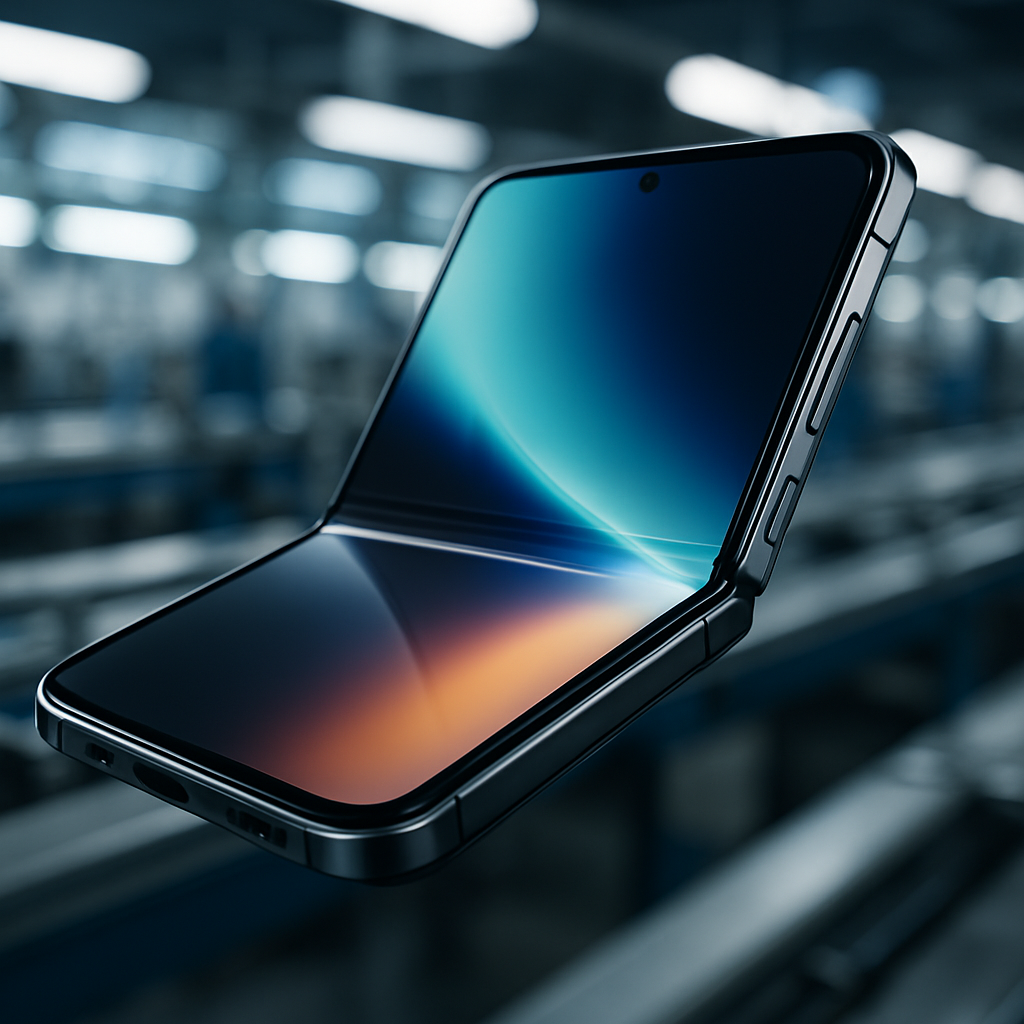
In the case of the iPhone Duo, those risks are multiplied. Manufacturing the folded design—especially getting the hinge and flexible screen right—has reportedly proved difficult. Reports from September 2026 suggest Foxconn’s assembly yield rate for the Duo was just over 60% accepted units, while Apple’s Pro models maintain a much higher yield, around 93%.
The hinge itself is a complicated mechanism. About 100 individual parts must come together with precision and consistency. Test runs reportedly encountered delays and defects, which pushed back the ramp-up of mass production. When the phone launched, stock was scarce—instances of the Duo selling out almost immediately, and limited inventory at retail locations backed the idea that the manufacturing pipeline wasn’t fully ready.
The bigger picture
The excitement around the iPhone Duo is understandable. Apple has described demand as “extraordinary” and pledged to fulfill orders as rapidly as possible. But caution is needed when looking at headline figures. Part orders rising sharply can simply reflect prepping for future production—not necessarily existing inventory or imminent device shipments.
For forecasting, what matters most is finished units shipped—not parts ordered. Component demands may foreshadow higher capacity ahead, but with yield rates still low and production delays evident, jumping to conclusions about orders equaling shipments leads to distorted expectations.
Analysis: This discrepancy between parts orders and shipped units highlights how tech rumors and predictions often blur supply chain realities. While demand for the iPhone Duo may be high, Apple’s manufacturing challenges—and the technical complexity of folding phones—mean it may take time before delivery numbers catch up. Watch for reports focused explicitly on devices shipped or fulfillment figures, along with any updates on yield improvements at Foxconn and other supply partners. Those will be key indicators of how quickly Apple can turn manufacturing leads into real-world availability.