Phishing kits are evolving fast—and one in particular is leaping ahead. Between August and October 2026, a kit called DOMDIFFER topped the charts for bypassing email filters, web gateways, safe browsing tools, and other security measures, according to recent threat intelligence. It’s now the phishing kit that most regularly reaches users directly, and its methods make it especially hard to detect.
What Makes DOMDIFFER So Effective
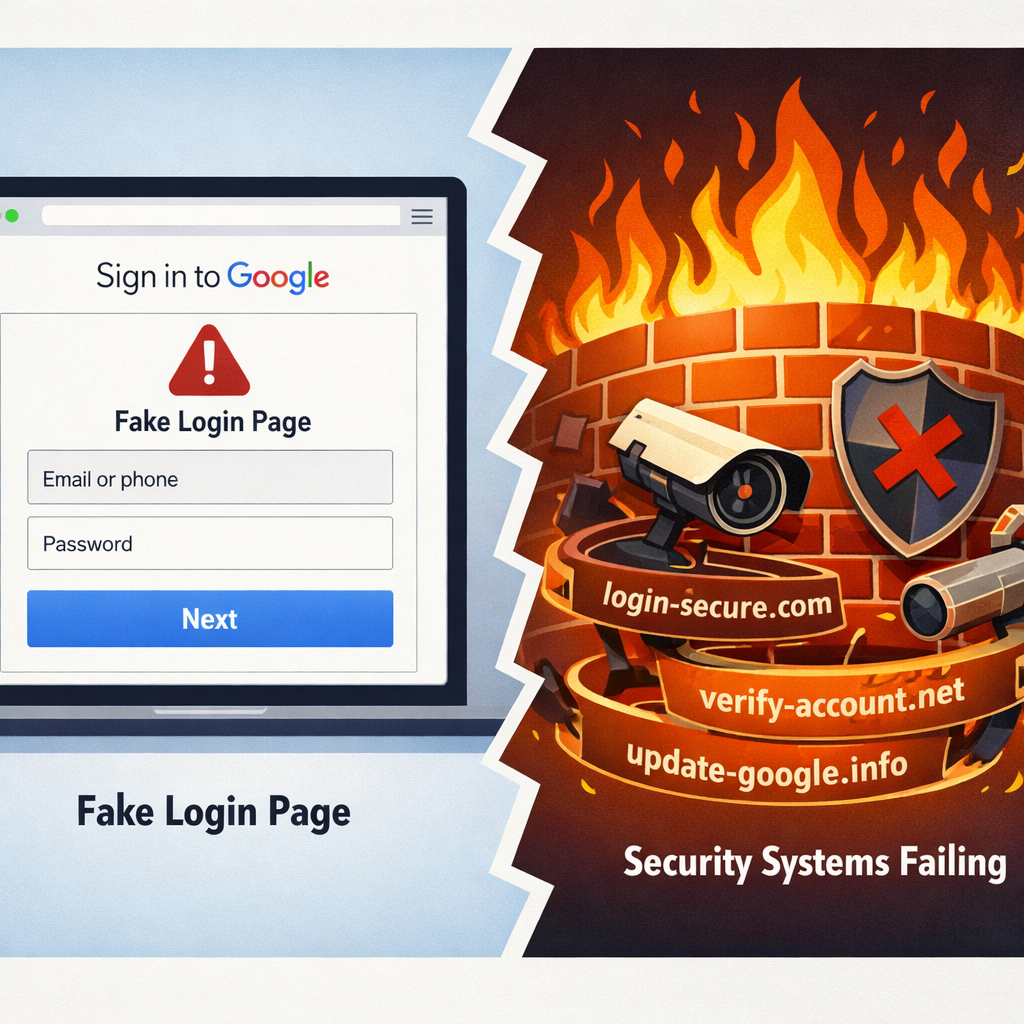
DOMDIFFER targets corporate Google and Microsoft accounts using an advanced technique known as DOM mirroring. Instead of serving up a static fake page, the attack relays the real sign-in interface from an attacker’s browser to the victim’s, who interacts with what looks like the genuine login—but isn’t. This gives the kit authentic browser signals like cookies and adaptive authentication steps, making it far better at fooling detection systems. DOM mirroring is now the fastest-growing phishing tactic in 2026.
First observed in February 2026, DOMDIFFER shares infrastructure with another kit named NakedPages. After a brief lull in the spring, DOMDIFFER reemerged over the summer and has now led breakthrough metrics consistently since August. The usual lure is a fake Google Voice voicemail or calendar event—trusted notifications that easily slip past email security. It then uses bot-checks and domain rotation to stay ahead of reputation-based blocks and scanners.
From Lure to Breakthrough
Most phishing starts with something innocuous—an email, calendar invite, or social media message. DOMDIFFER attacks use trusted channels or even domains to dodge filters. The bad actors rotate hostnames rapidly and host pages on what appear to be trusted domains. When victim browsers fetch the page, scanner systems are often given safe versions or are blocked before the mimicked phishing page appears.
What really sets DOMDIFFER apart is how it finally presents a sign-in page: a mirror of a real, live Google login interface—dynamic, fully interactive, and indistinguishable from the original to all but the most specialized defenses. That’s why it breaks through far more often than kits using older tactics like static replicas or reverse proxies.
The Bigger Trend & What’s Next
DOM mirroring is just one flavour of AiTM (Adversary-in-the-Middle) phishing. Others include reverse proxies, replica pages, and pixel-streaming. While replica pages are still more common overall, many newer kits—such as BlueKit, PhantomDOM, and Laurseraph—are shifting toward or incorporating DOM mirroring. It’s striking to see toolkits evolve so quickly in response to defenses like passkeys and multi‐factor authentication.
Passkeys can block AiTM attacks—but only when enforced everywhere. Attackers are aware of this and are mixing in other tactics, like authorization attacks or device-code phishing. Some campaigns bundle multiple attack paths so that even if one is blocked, another path remains. That diversity increases their chance of success.
What Security Teams Should Be Watching
Security practitioners should brace for the full picture: the lure, the hosting, the domain rotation tactics, and the interactive page itself. DOMDIFFER is just one of five top kits that consistently break through across defenses. In a webinar scheduled for December 2, experts will reveal the other four, detail how DOMDIFFER evades conventional controls, and discuss payload selection based on platform—showing what to expect from the phishing landscape in 2027.
Why it matters: This isn’t just a tool changing—it’s an entire strategy. As phishing kits evolve, security controls that rely solely on static detection or reputation are no longer enough. Defenders must understand the mechanics of live interfaces, adaptive authentication, and real-browser signaling. Expect more hybrid attacks, faster domain rotations, and richer lures. Phishing in 2027 won’t look like phishing in 2022.