Apple’s MacBook Neo: Unprecedented Demand Sparks Supply Chain Challenges
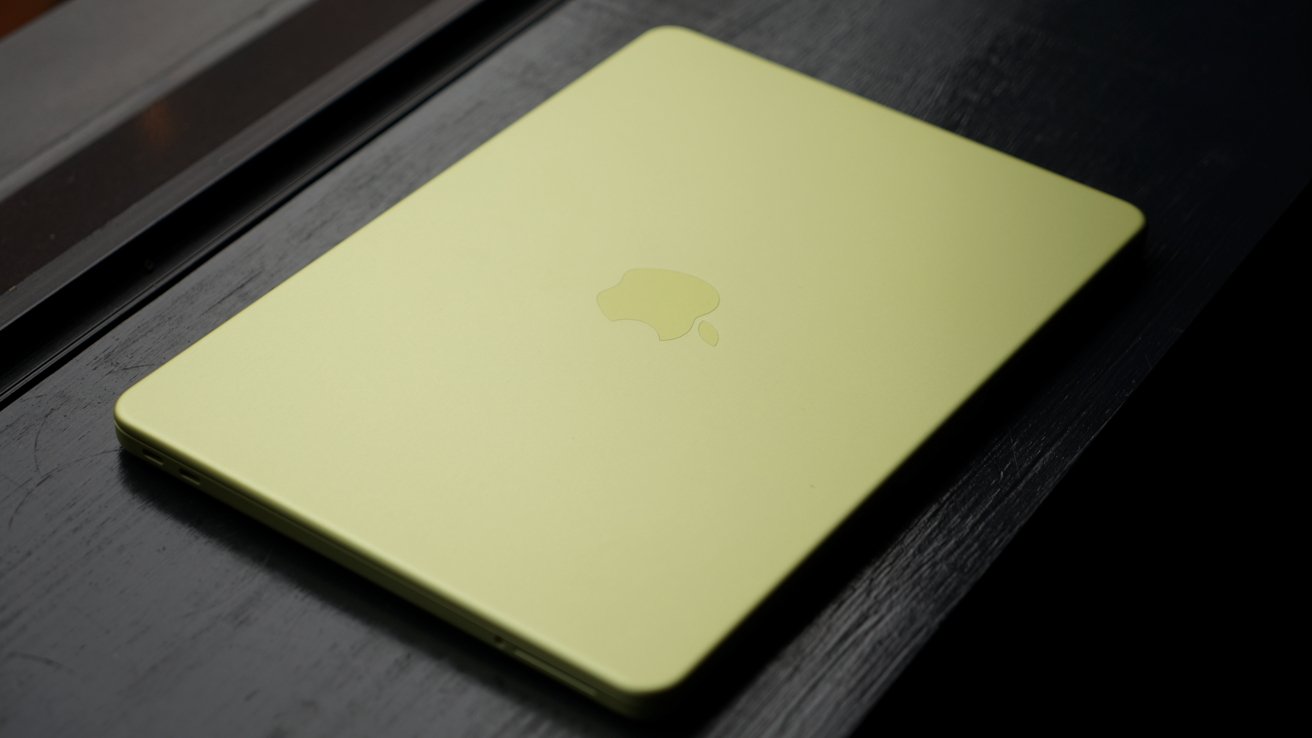
Apple’s latest offering, the MacBook Neo, has taken the market by storm since its launch on March 11, 2026. Priced at an accessible $599, this 13-inch laptop has captivated students, professionals, and educational institutions alike, leading to an overwhelming demand that has outpaced Apple’s initial projections.
Surging Demand and Supply Constraints
The MacBook Neo’s popularity has been so immense that Apple has faced significant supply constraints. CEO Tim Cook acknowledged during the Q2 2026 earnings call that the company underestimated the product’s appeal. We are supply constrained, Cook stated. We were very bullish on the product before announcing it, but we undercalled the level of enthusiasm that would be with it. This unexpected surge has resulted in extended delivery times, with customers experiencing weeks-long waits for their orders.
Doubling Production Efforts
In response to the soaring demand, Apple has instructed its suppliers to double the production of the MacBook Neo, increasing the initial order from five million to ten million units. Supply chain analyst Ming-Chi Kuo reported that Apple has raised its 2026 shipment forecast from five million to 10 million units. This strategic move aims to alleviate the current shortages and meet consumer demand more effectively.
Challenges with A18 Pro Chip Supply
A critical component of the MacBook Neo is the A18 Pro chip, originally designed for the iPhone 16 Pro. Apple utilized binned versions of these chips—processors with one disabled GPU core that did not meet the full specifications required for the iPhone 16 Pro—to power the Neo. This approach allowed Apple to offer the laptop at a competitive price point. However, the unprecedented success of the MacBook Neo has led to a shortage of these repurposed chips, creating a significant supply chain dilemma. As tech columnist Tim Culpan noted, Apple is facing a ‘massive dilemma’ with the MacBook Neo.
Educational Sector Adoption
The MacBook Neo’s affordability and performance have made it particularly attractive to the educational sector. Kansas City Public Schools (KCPS) is undertaking a significant technology shift by replacing over 30,000 Windows PCs and Chromebooks with Apple devices, aiming to become an all-Apple district. As part of this rollout, approximately 4,500 students in eighth grade and above will receive MacBook Neos, while younger students will continue using existing iPads and MacBook Airs. The MacBook Neo, priced affordably at $499 for education, is designed specifically for schools, making it a financially viable choice amid rising Windows enterprise costs.
KCPS administrators cite the durability, security, and unified ecosystem of Apple hardware as major benefits, with Chief Technology Officer Scott Jones noting increased student pride in having high-quality tools. However, concerns remain. The decision results in a costly write-off of usable devices, and no independent data has confirmed Apple devices outperform Chromebooks in this school system. Additionally, locking into a single vendor could introduce long-term limitations in negotiation and repair flexibility. Critics argue that the focus on brand pride should not overshadow the importance of demonstrable returns in student performance and cost-efficiency. The initiative will serve as a valuable case study in education technology investments.
Competitive Landscape and Market Response
The success of the MacBook Neo has not gone unnoticed by competitors. Microsoft commissioned a report comparing budget Windows 11 laptops to the Neo, highlighting areas where Windows devices purportedly outperform Apple’s offering, such as multi-threaded performance and battery life. However, critics argue that the findings are biased, highlighting that the testing scenario favored Windows laptops (e.g., plugged-in testing, larger batteries) and omitted areas where the Neo excels, like screen quality, sound, and single-core performance. Despite these critiques, the Neo is praised for its premium build and overall smooth operation for everyday tasks.
Future Outlook
Looking ahead, Apple is reportedly considering adjustments to the MacBook Neo lineup to address supply challenges and component costs. Speculation includes the introduction of higher-priced base models or new color variants to offset rising expenses, especially amid the tech industry’s ongoing RAM and chip shortages. Despite these hurdles, the MacBook Neo’s strong demand underscores its success in expanding Apple’s customer base and solidifying its position in the competitive laptop market.