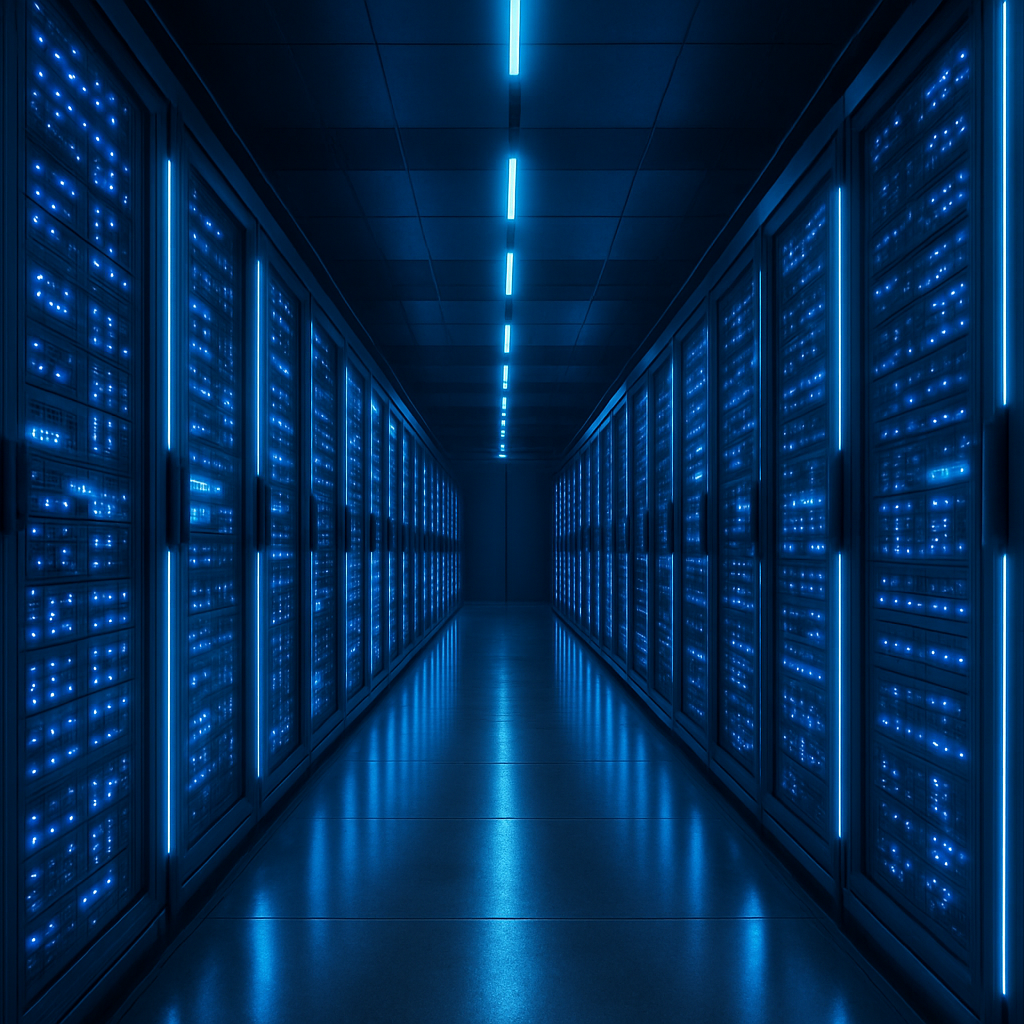
Data centers are projected to consume 20% of the United States’ electricity by 2035, a fourfold increase from current levels. This surge is primarily driven by the escalating demands of artificial intelligence (AI) computing, which is expected to push data center capacity to nearly 200 gigawatts over the next decade. Notably, almost half of this capacity will be dedicated to AI training and inference tasks, with the U.S. anticipated to host 64% of AI chips by power demand by 2033.
These projections represent a significant upward revision from previous estimates. For instance, BloombergNEF’s latest forecast for 2035 electricity demand is 83% higher than its December prediction. Similarly, the Electric Power Research Institute (EPRI) has more than doubled its 2024 estimate, and S&P Global’s forecast increased by over a third between October and April. These adjustments underscore the rapid pace of data center development across the nation.
The anticipated growth will place substantial strain on existing electrical grids. The PJM Interconnection, covering regions from Virginia to Illinois, is expected to allocate 34% of its electricity to data centers. Meanwhile, the Electric Reliability Council of Texas (ERCOT) will need to dedicate 22% of its generating capacity to these facilities. PJM has already faced challenges managing connection requests from both large generators and consumers, leading to a four-year pause in new grid connections. Although PJM reopened the queue in April, the ongoing supply-demand imbalance has resulted in a 76% increase in electricity prices over the past year.
Despite these challenges, data centers continue to seek connections within PJM’s jurisdiction, accounting for 38% of charges in the grid manager’s most recent capacity auction. This persistent demand highlights the critical role data centers play in the digital economy and the pressing need for infrastructure adaptation.
Globally, the expansion of data centers is set to create 1,935 terawatt-hours of new electricity demand by 2033, nearly matching India’s annual consumption. This global trend emphasizes the necessity for strategic planning and investment in energy infrastructure to accommodate the burgeoning needs of data centers.
The rapid growth of data centers, fueled by AI advancements, presents both opportunities and challenges. While they are pivotal to technological progress, their escalating energy consumption necessitates a reevaluation of energy policies and infrastructure. Stakeholders must collaborate to develop sustainable solutions that balance technological innovation with environmental responsibility.