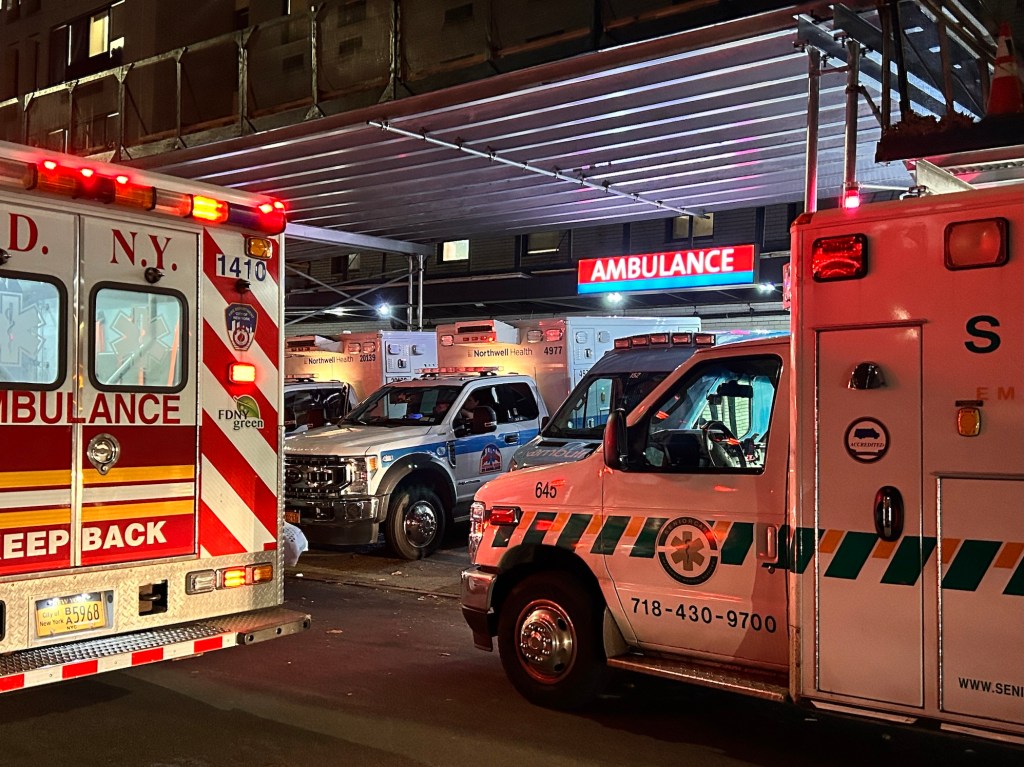
Massive Data Breach at NYC Health + Hospitals Exposes Sensitive Information of 1.8 Million Individuals
In a significant cybersecurity incident, NYC Health + Hospitals (NYCHHC), the largest public health system in the United States, has disclosed a data breach affecting at least 1.8 million individuals. The breach, which spanned several months, resulted in unauthorized access to a vast array of sensitive personal and medical information, including biometric data such as fingerprints and palm prints.
Discovery and Scope of the Breach
The intrusion was detected on February 2, 2026, prompting NYCHHC to secure its network immediately. Subsequent investigations revealed that the unauthorized access began in November 2025 and continued until February 2026. During this period, cybercriminals infiltrated the system through a compromised third-party vendor, whose identity has not been disclosed. This breach is among the most significant healthcare-related data incidents reported to the U.S. Department of Health and Human Services this year.
Types of Compromised Data
The data accessed by the hackers encompasses a wide range of sensitive information, varying by individual. This includes:
– Health Insurance Details: Information about health insurance plans and policies, including insurance company names and member or group ID numbers.
– Medical Records: Data such as medical record numbers, diagnoses, medications, test results, images, and treatment plans.
– Billing and Payment Information: Details related to billing, claims, and payments.
– Government-Issued Identifications: Social Security numbers, passports, and driver’s licenses.
– Biometric Data: Fingerprints and palm prints, which are particularly sensitive as they are unique and immutable identifiers.
– Geolocation Data: Precise location information, potentially extracted from metadata in user-uploaded photos of identity documents.
Implications of the Breach
The exposure of such comprehensive personal and medical information poses significant risks to the affected individuals. Biometric data, once compromised, cannot be changed, making it a lifelong security concern. The inclusion of geolocation data suggests that the breach may have also exposed the exact locations where certain documents were captured, further intensifying privacy concerns.
Response and Ongoing Investigation
NYCHHC has not provided detailed explanations regarding the storage of biometric data or the specific use of geolocation information. The organization is currently conducting a thorough investigation to understand the full scope of the breach and to implement measures to prevent future incidents. As of now, there has been no public disclosure of any ransom demands or communications from the perpetrators.
Broader Context
This incident underscores the growing threat of cyberattacks targeting healthcare institutions, which store vast amounts of sensitive data. The FBI’s latest annual report on cybercrime highlights that the healthcare sector remains a prime target for ransomware attacks, where criminals steal data and threaten to publish it unless a ransom is paid.
Conclusion
The data breach at NYC Health + Hospitals serves as a stark reminder of the critical need for robust cybersecurity measures within the healthcare industry. Protecting patient information is paramount, and institutions must continually assess and enhance their security protocols to safeguard against evolving cyber threats.