A grave security flaw in Plesk Backup Manager, identified as CVE-2026-68488, has been disclosed. This vulnerability allows users with ordinary access to escalate privileges and gain full root control on affected Linux servers. The issue lies in a symbolic link (symlink) race condition present during subscription‐content restore procedures.
What Went Wrong
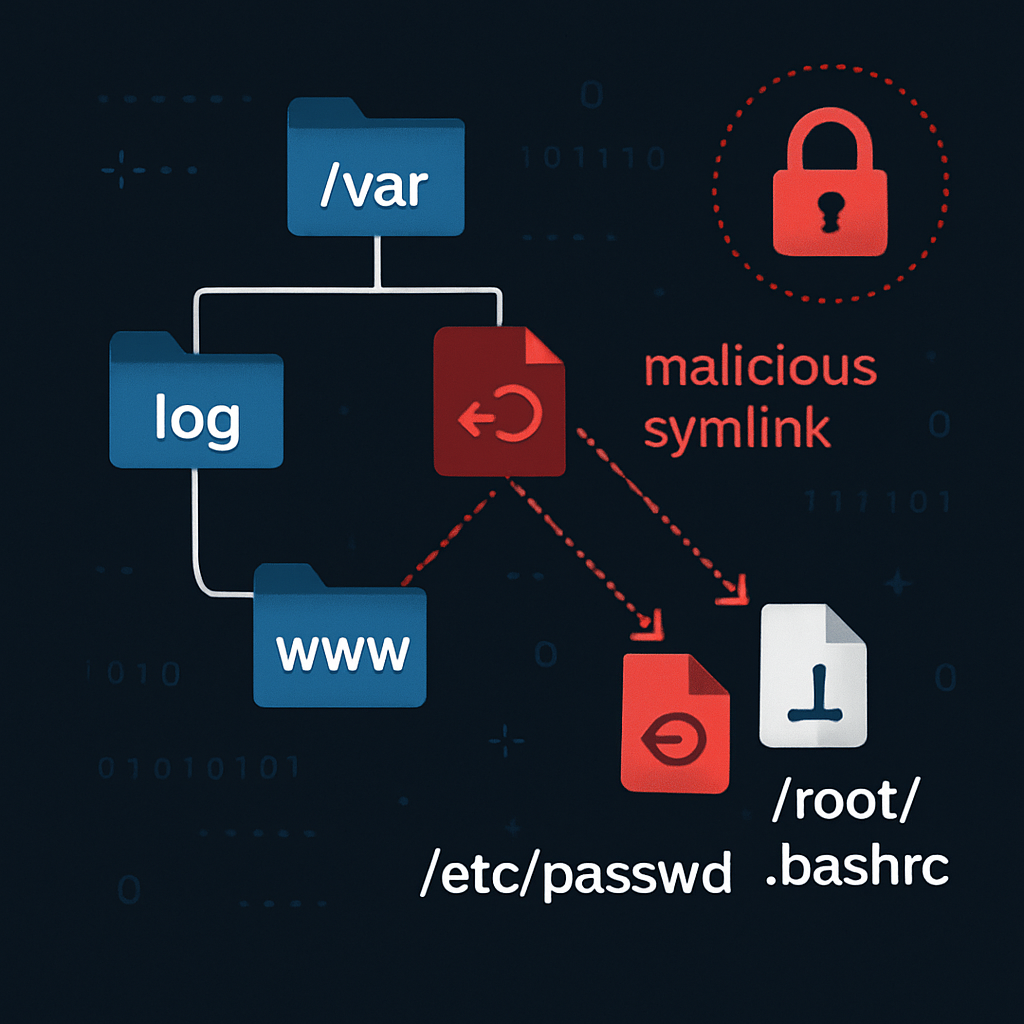
The bug impacts Obsidian editions of Plesk for Linux, specifically in versions 18.0.80.6 and earlier, as well as 18.0.79.10 and earlier. Plesk for Windows remains unaffected. The flaw arises during the workflow that handles restoring subscription content: if a user with panel login and FTP permissions (but not elevated access) exploits the restore routine, they can interfere via a symlink to make Plesk change file or directory ownership outside their subscription boundary.
Because these restore actions run with higher system privileges, exploiting the race condition can allow an attacker to gain ownership over sensitive files or directories that should be off‐limits. From there, they could leverage that access to achieve root access to the Linux server.
Which Environments Are Most at Risk and Mitigations
Shared-hosting environments, multi-tenant Plesk servers, and managed hosting setups are most vulnerable, especially when customers have FTP access and the ability to trigger content restore operations. Those types of deployments must take special care.
Plesk has released fixes. Users on the 18.0.80 branch should update to version 18.0.80.7 or newer. Those running on the 18.0.79 branch must upgrade to version 18.0.79.11 or later. The vendor recommends prioritizing patching on publicly accessible servers.
To detect potential exploitation, administrators should monitor recent restore activity for unexpected changes in file ownership outside web roots, search for suspicious symlinks within subscription directories, and review authentication logs or filesystem modification histories for activity tied to restore workflows.
The flaw was reported responsibly by researchers Ali Mustafa (aka rz1027) and abed1526. The disclosure aims to enable organizations to act before widespread abuse occurs.
What This Means Going Forward
For providers that host multiple clients under Plesk, this bug undermines one of the most basic security guarantees: isolation between tenants. Once such a boundary fails, the attacker can potentially wreak havoc across an entire server. As patches are now available, organizations must treat this flaw like an emergency: review the version in use, patch immediately, and audit access or ownership anomalies. Moving ahead, improved fixes against symlink race conditions must be baked into shared-hosting tools more proactively—this isn’t the first time symlinks have been exploited, and it should be among the last.