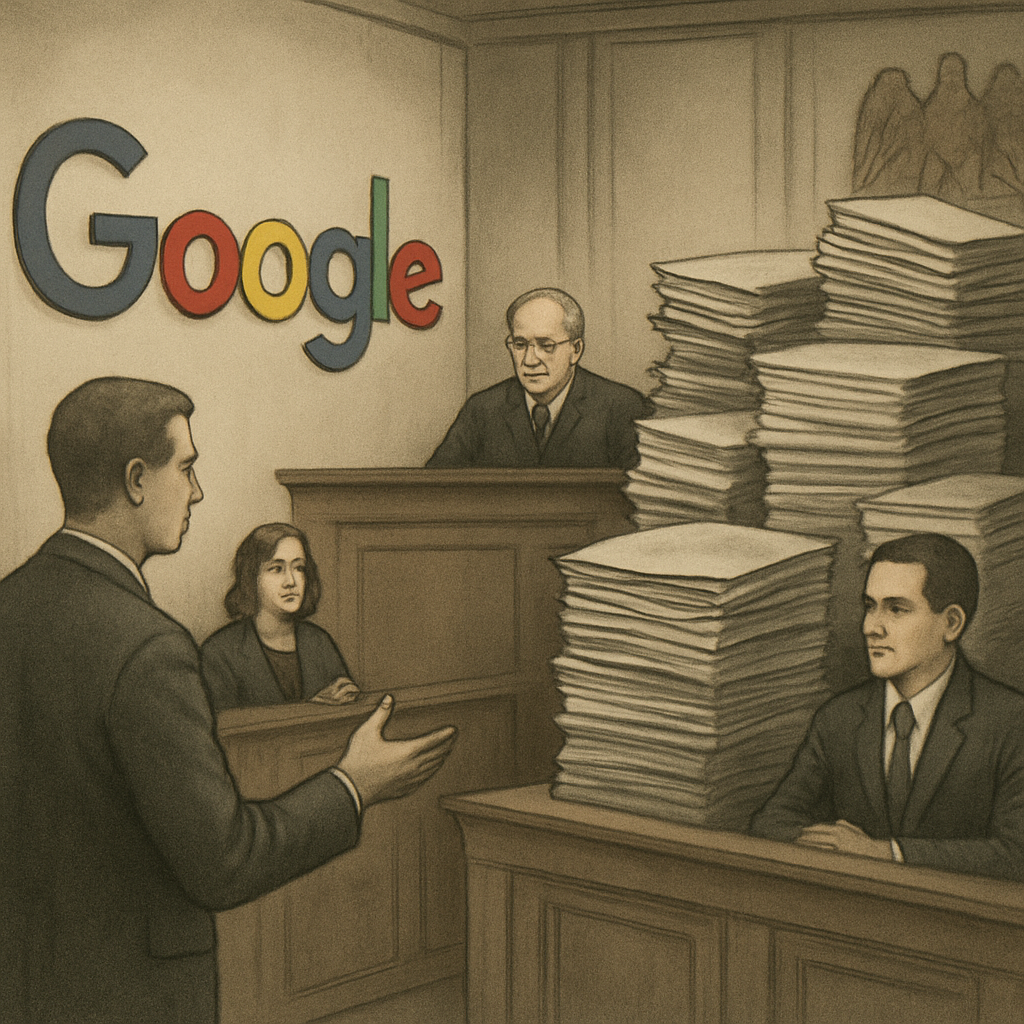
A U.S. federal judge has tossed out an antitrust lawsuit brought by Penske Media Corp and Chegg, which sought to stop Google from using their content in AI summaries that allegedly divert traffic away from their sites. Though sympathetic to the financial harm these publishers claim, the court ruled that the law does not support their case.
The case centered on accusations that Google unlawfully skimmed content for its AI-powered summaries—keeping users on Google rather than sending them through to publishers’ websites. Penske (publisher of Rolling Stone, among others) and Chegg argued this siphoned off ad revenue, while pressuring publishers to let Google include their content or risk being excluded from search results.
Judge’s Reasoning: Harm Isn’t Enough
U.S. District Judge Amit Mehta acknowledged that publishers do suffer financially when fewer people click through from Google to their sites. He also recognized that Google’s summaries sometimes spread inaccuracies. But in his ruling, Judge Mehta held that publishers only had an expectation—not a binding agreement—that making their content available would result in traffic from Google searches. That expectation doesn’t qualify as anticompetitive under current antitrust standards, the court found. In other words, economic losses alone don’t amount to a valid legal claim in this suit.
The complaint also pointed out that while Google has existing licensing deals with some publishers for content, those contracts don’t cover AI summaries. A newer compensation plan for creators is in place for substantial usages of content in these summaries, but payments under that model are described as minimal.
Wider Landscape: What This Means
This decision removes another antitrust battle from Google’s legal problems at a time when it is already battling accusations involving its dominance in search and advertising. It underlines that proving antitrust violations isn’t just about showing harm—it requires showing specific legal triggers like agreement or coercion, areas where this suit fell short.
The court didn’t award damages or injunctive relief, effectively giving Google the green light to continue using publisher content in AI summaries without legal pushback in this manner. For publishers, it clears the threshold for what legal arguments may succeed moving forward.
Why It Matters & What To Watch
This ruling sets a precedent that economic injury alone—stemming from reduced traffic or revenue—is likely insufficient for antitrust claims over AI summary tools. Publishers will now need to show more: explicit agreements or constraints imposed by platforms, or some kind of coercion, to have standing in court. Legislators may step into the gap, as Judge Mehta suggested.