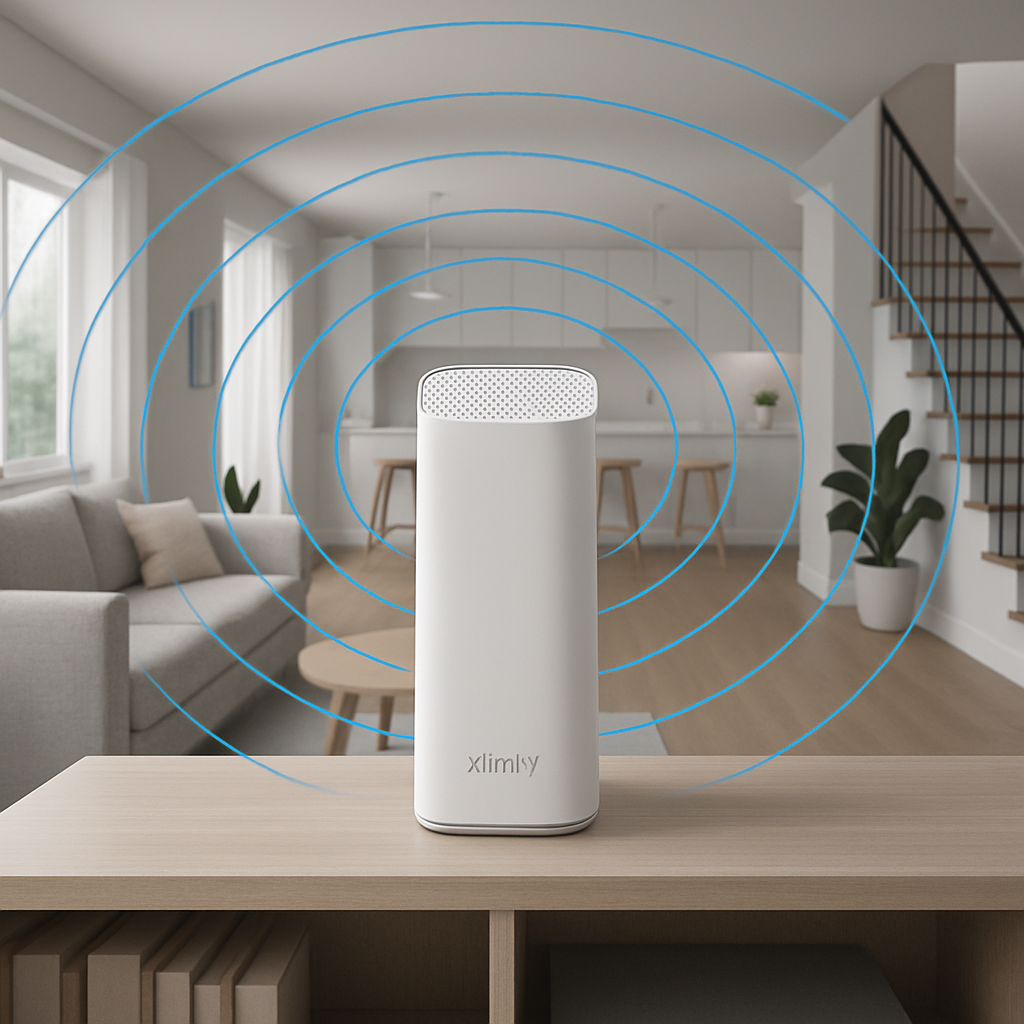
Comcast has unveiled Xfinity Shield, a comprehensive home protection platform designed to safeguard users from both physical and cyber threats. A standout feature of this platform is ‘WiFi Motion,’ which repurposes existing Xfinity routers into motion sensors, eliminating the need for additional hardware.
WiFi Motion operates by analyzing changes in radio frequency signals between the Xfinity Gateway and connected devices. When unexpected activity is detected, the system sends instant notifications to users via the Xfinity app. This approach offers an added layer of security without relying on cameras or traditional motion detectors, thereby addressing privacy concerns associated with video surveillance.
The WiFi Motion feature is available on select Xfinity routers, including models such as Technicolor XB7, XB8, XB9, XB10, MXB1, and XER10. Users can opt into this feature through the Xfinity app, enhancing their home security setup without the need for additional equipment.
Privacy considerations are integral to the implementation of WiFi Motion. Comcast has stated that, subject to applicable laws, information generated by WiFi Motion may be disclosed to third parties in connection with law enforcement investigations, legal disputes involving Comcast, or pursuant to court orders or subpoenas. Importantly, Comcast has clarified that motion data will not be sold to third-party advertisers, addressing potential privacy concerns.
In addition to WiFi Motion, Xfinity Shield offers two tiers of service. WiFi Shield provides built-in security at no additional cost to Xfinity Internet customers, while Shield Select extends protection through hardware, AI-enhanced monitoring, and access to emergency services for a monthly fee of $15.
By integrating motion detection capabilities into existing routers, Comcast is streamlining home security solutions, making them more accessible and cost-effective for consumers. This innovation reflects a broader trend in the tech industry toward multifunctional devices that enhance user convenience and security. As smart home technologies continue to evolve, features like WiFi Motion may become standard, offering users comprehensive protection without the need for multiple standalone devices.