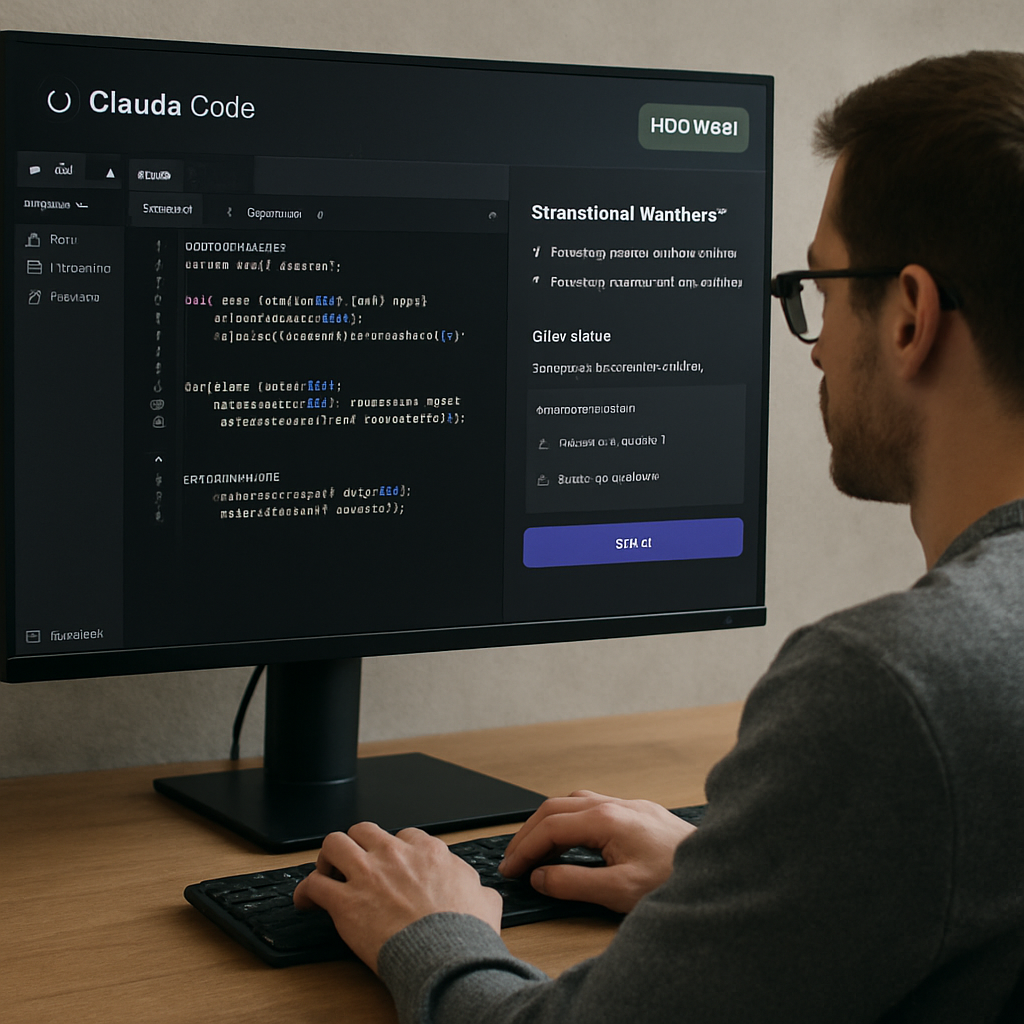
Anthropic has announced that ‘auto mode’ is now the default permission setting in Claude Code for Pro, Max, and Team users. This change aims to streamline the development process by reducing the need for manual approval prompts during coding sessions.
Previously, Claude Code required users to approve each file write and bash command individually, which could interrupt workflow. ‘Auto mode’ addresses this by employing a classifier that evaluates each tool call for potentially destructive actions, such as mass file deletions or unauthorized data access. Safe actions proceed automatically, while risky ones are blocked or prompt the user for approval. If multiple actions are blocked consecutively, the system reverts to manual approval to ensure security.
Anthropic has also ceased charging for the additional tokens used by the ‘auto mode’ classifier, making this feature more accessible to users. Studies conducted by the company indicate that ‘auto mode’ significantly enhances safety, with the classifier identifying 89% of dangerous commands, compared to 13.6% detected by human testers. However, Anthropic advises that while ‘auto mode’ reduces risk, it does not eliminate it entirely, and human oversight remains essential for production changes.
This update builds upon previous enhancements to Claude Code, including the introduction of routines, voice mode, and an in-app browser for Mac users. These features collectively aim to improve the efficiency and functionality of the coding environment. Notably, ‘auto mode’ users within Team and Enterprise settings have reported a 25% increase in pull requests, indicating a boost in productivity.
Anthropic’s decision to make ‘auto mode’ the default setting reflects a growing trend in the industry toward balancing automation with security. While this change is likely to benefit experienced developers by reducing workflow interruptions, it underscores the importance of establishing trust in coding agents and maintaining vigilant oversight, especially when implementing automated features in development environments.