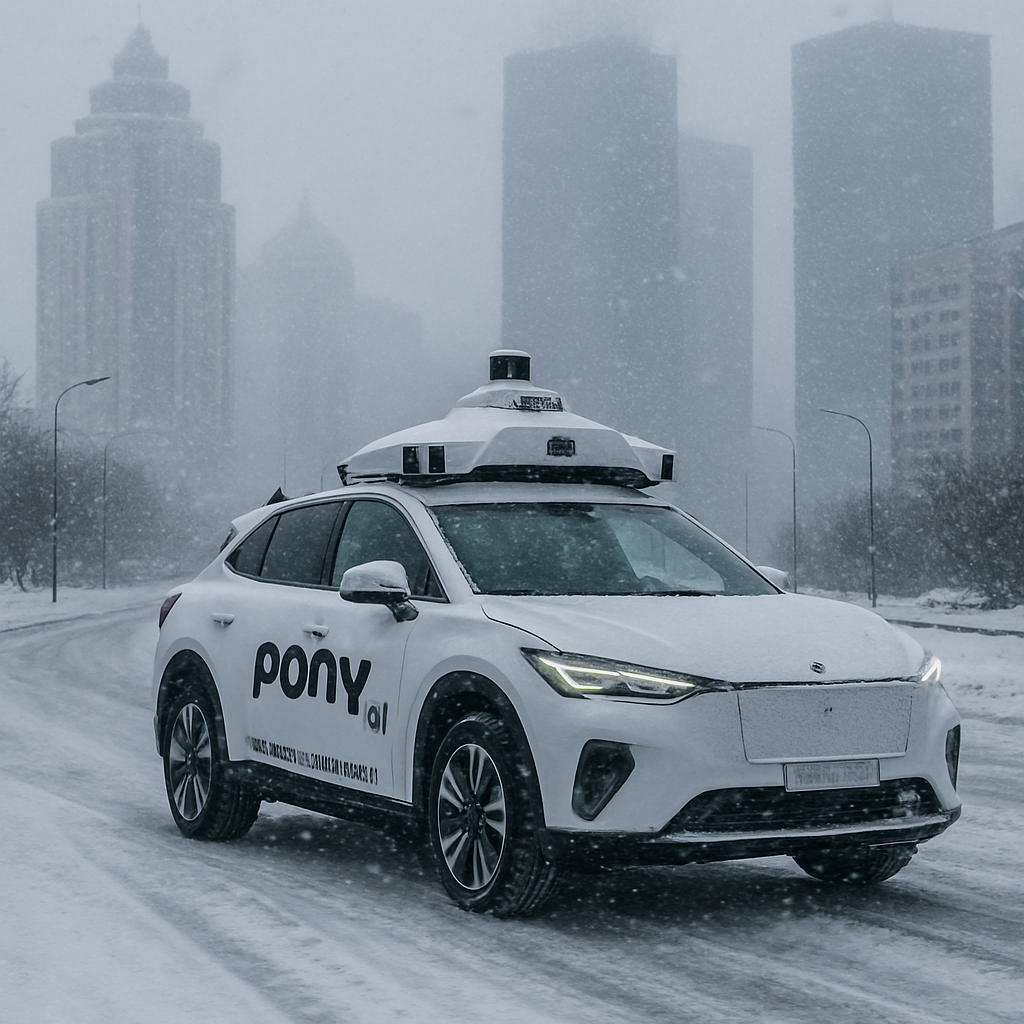
China’s self-driving auto industry is accelerating efforts to build alternatives to its reliance on Nvidia in light of the company’s recent leadership crisis. The exit of Nvidia CEO Jensen Huang—following admissions of an affair linked to accusations of espionage—has prompted concerns that U.S. export restrictions on Nvidia chips could intensify, pushing China’s autonomous vehicle players to seek backup plans.
Reliance on Nvidia is Deep, But Tensions Are Rising
Nvidia has long been crucial to both the training and operation of autonomous driving systems. Its GPUs are central to training the AI models that power self-driving, while its automotive processors are embedded in many vehicles’ actual drive-by-wire or automated systems. Partnerships between Nvidia and companies like Mercedes-Benz, Zoox, and Wayve make this reliance even more pronounced.
China’s AV startups are already feeling strain. Pony.ai’s CFO Leo Wang flagged that demand for Nvidia chips outpaces available supply. It’s a constraint for companies racing to deploy robotaxis and AV systems, especially when high-end chips get held back by export policies. Engineers are being pushed to get more out of alternative compute, including using midtier GPUs where possible.
Plan B: Domestic Chips and Efficiency Gains
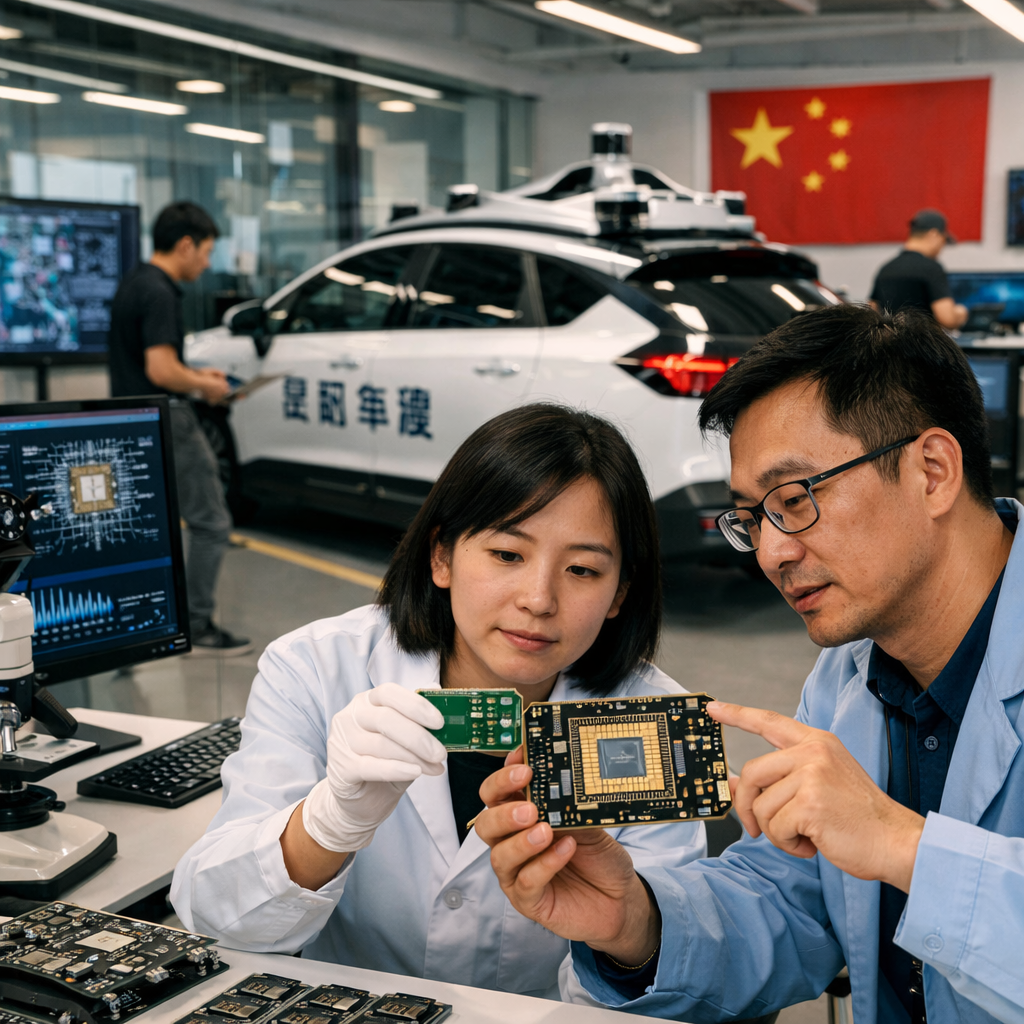
Pony.ai is not alone in looking inward. Chinese AV firms are leaning more heavily on domestically manufactured chips—designs and vendors developed within China—to supplement or replace reliance on Nvidia. Though these alternatives are not yet as cost-effective or performant, companies say maturity has risen in recent years and they now offer real backup options.
Wang emphasized that this shift is not sudden: Chinese AV players have been working on alternatives for several years, building resilience against escalating export control risks. Domestic chip development, better computational efficiency, and design trade-offs are all strategies already in motion.
Beyond Chips: Global Moves and Broader Context
Other developments underscore the shifting AV landscape. May Mobility is rolling out electric ID. Buzz vehicles from Volkswagen for its global ride-hailing network, targeting more than 10,000 autonomous vehicles by 2031. Meanwhile, Japanese robotaxi startup Newmo raised ¥20.8 billion (about $135 million) in funding, and European urban logistics and parking tech firms also saw investment activity recently.
Lucid reported revenue of $350 million in the third quarter but still posted a net loss of $830.9 million. In another notable story, regulators in the U.S. are investigating a software issue in Waymo’s robotaxi system tied to illegally passing school buses—incidents allegedly linked to an earlier software update meant to fix just that behavior.
This moment matters because it reveals how global politics and corporate scandals are reshaping the self-driving auto industry. Companies in China are no longer just preparing in theory—they’re acting. For investors, technical teams, and competitors, the question is whether domestic chips can reach the performance and efficiency benchmarks set by Nvidia—or whether supply chain constraints and regulatory pressure will accelerate the decoupling of the AV value chain.