OpenAI has rolled out two fresh shopping tools for ChatGPT users worldwide: a virtual try-on system for clothing and accessories, and a Favorites library to bookmark items for future browsing. These upgrades tap into the power of OpenAI’s latest image model, ChatGPT Images 2.5. The new model boosts realism by enhancing lighting and texture rendering, improving responsiveness to editing cues, and cutting down lag. All of this aims to make simulated fashion more lifelike.
How Virtual Try-On Works
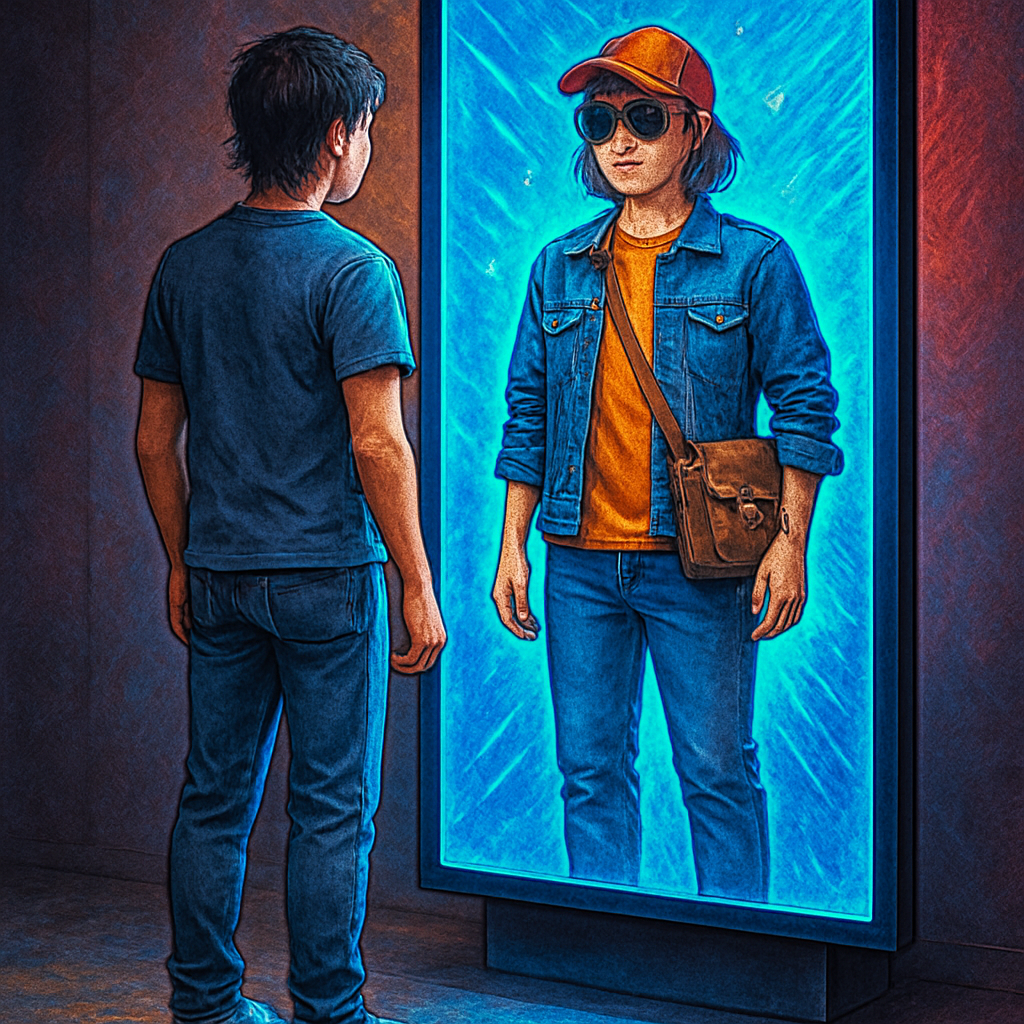
The try-on feature lets users upload a selfie or full-body photo so they can preview how apparel or accessories look on them before buying. In shopping-specific chats, a “Try On” button appears beside item listings. Users can also upload an image of a piece they discovered online—say, via a screenshot—and have it “tried on” virtually. The idea is to bridge the gap between flat product photos and real-world fit, helping people better understand how something might look in motion, or on their body shape.
Favorites: Curating Shopping Picks
The other addition—Favorites—serves as a shopping memory bank within ChatGPT. When users see items they like—whether products or virtual try-ons—they can save them to a Library for revisiting later. These facets work in tandem with the try-on images, so everything a user is interested in is organized under one roof. It’s a move toward giving users more control over discovery, without forcing them into immediate decisions.
Beyond these two tools, ChatGPT is expanding its shopping assist functions. Users can describe a style or look they want—such as matching outfit vibes—and ask the assistant to build a full ensemble. There’s also the option to upload photos of outfits worn by celebrities or influencers and have ChatGPT track down similar pieces that are commercially available.
These enhancements arrive in a context where AI-powered shopping tools are rapidly evolving. OpenAI had previously experimented with an instant checkout feature but pulled back when it didn’t perform well. Others, like Google, have stepped into virtual try-on territory already, so ChatGPT is playing catch-up in some respects—even as it pushes the user experience forward. OpenAI is aiming not just to help users discover what to buy, but help them feel confident before they do.
Why it matters: Simulating fit and visualizing clothing digitally cuts through a common friction point in e-commerce, where buyers struggle to assess look and fit from photos alone. Features like Favorites reduce shopping decision fatigue. Because AI assistants are now competing with platforms that specialize in discovery and style—Pinterest, Google, fashion apps—ChatGPT’s success will depend on how well it executes authenticity, speed, and personalization.
Looking ahead, the real test will be adoption. Will shoppers prefer ChatGPT’s combination of chat, image tools, and discovery over visiting retailer sites directly? Can it match the retail partners and visual fidelity that fashion-forward platforms offer? What’s watched next: the breadth of retailer inventory, the polish of the virtual try-on visual quality, and whether privacy and body-representation concerns are handled thoughtfully.