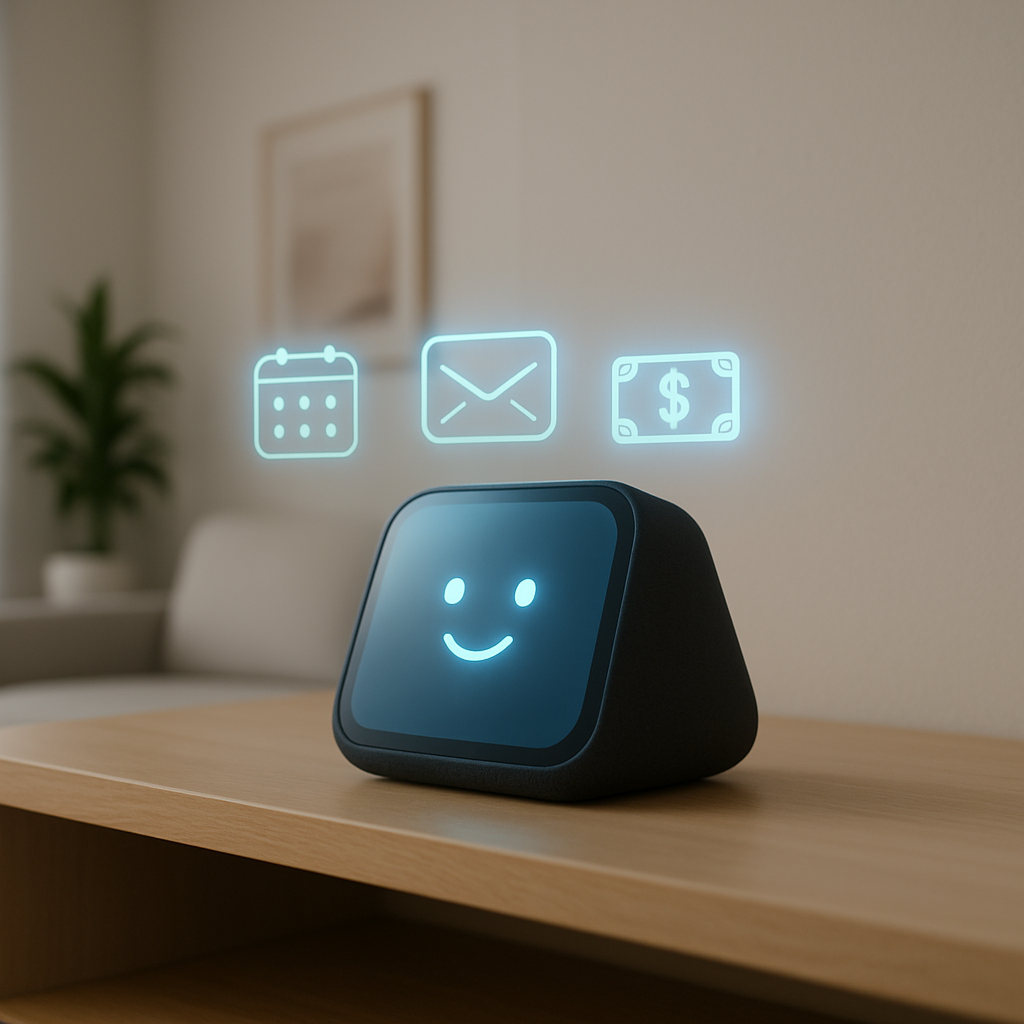
Cerebras Systems co-founder and CEO Andrew Feldman is laying out a vision where every home includes a personal AI assistant. Speaking at an industry event, he said that AI appliances are within reach—devices that combine edge and cloud computing to act as deeply integrated helpers in daily life.
What Feldman Means by “Home AI Appliance”
At the recent Disrupt 2026 conference, Feldman explained that future home-based AI agents will work partly on device and partly via the cloud. These systems will grow familiar with individual users, maintain strong security perimeter, and even handle financial tasks such as making purchases. The idea is to elevate AI beyond assistants like Alexa or Siri—instead having agents that are proactive, personalized, and secure.
He cited advances already underway in the consumer space—like Meta’s Muse and another AI startup now valued at ten billion dollars—as signs that agents are moving into mainstream life. He argued that what’s needed isn’t just better chips or networks, but the confidence in local AI—ones running close to the user, with privacy and latency benefits.
AI in Infrastructure, for Infrastructure
Feldman isn’t just designing hardware to chase this future—he already makes use of “a collection of agents” in his own work. He says AI helps him manage his schedule, gather context ahead of meetings, and free him from routine tasks. But he doesn’t aim to build consumer apps himself; his focus remains infrastructure. In his view, great consumer use-cases will emerge from founders who use platforms built by companies like his.
From the hardware side, Cerebras sees a massive opportunity if agentic AI becomes something people expect in the home. For a company whose business is creating AI infrastructure—chips, networks, processors—that means both a technical challenge and a market shift.
Why This Happens Now
Three trends make Feldman suspicious that this AI-assistant future is closer than most realize: chips becoming more powerful and energy-efficient; rising demand for privacy and latency reduction, pushing computation closer to users; and consumer acceptance of AI assistants and multitasking agents becoming normal. These converge to make the case that “AI appliances” will leap from R&D labs into people’s living rooms.
Still, realizing this future involves hurdles: ensuring strong privacy safeguards, making on-device models that are capable yet efficient, and designing secure cloud-device integration. Plus, we’ll need consumer trust and user experiences that go beyond gimmicks.
What’s really at stake isn’t just having a smarter speaker or screen—but redefining what a personal assistant means. AI could move from reactive tools to ever-present companions that anticipate needs.
Analytical Angle: Feldman’s remarks crystallize a growing industry belief: the next wave of AI will shift out of the data center and into homes. For chipmakers and infrastructure providers, this is a potential gold rush—one that demands innovation in model size, power usage, and robust privacy. For consumers, it raises profound questions about trust. Who owns the data? How do we verify what an assistant can do? Watch closely for startups that can nail local inference, make user models that stay private, and package it in devices people want in their living room.