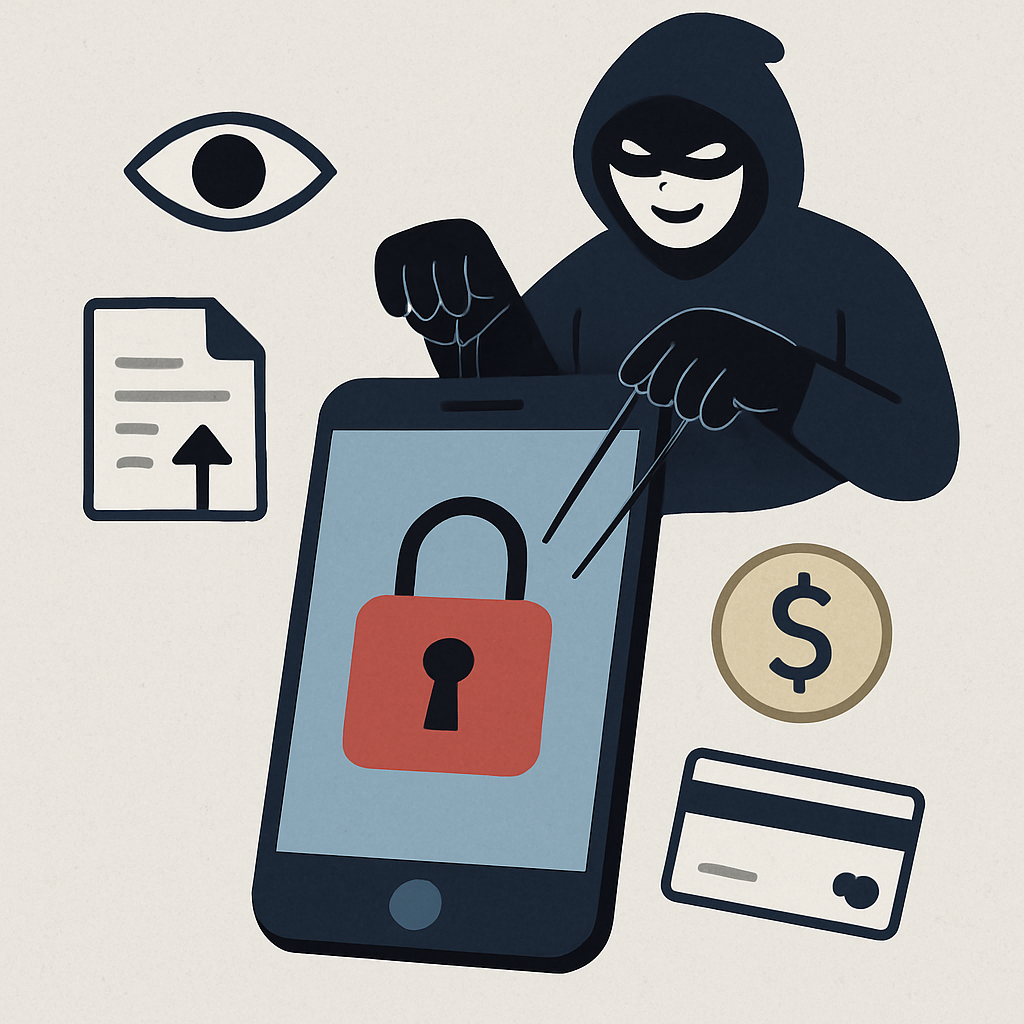
BTMob has emerged as a sophisticated Android banking malware platform, enabling cybercriminals to transform smartphones into instruments of financial fraud. This malware is disseminated through counterfeit applications, cloned download pages, and deceptive messages that mimic legitimate customer support communications.
Once installed, BTMob grants attackers the capability to monitor device screens, exfiltrate sensitive information, and manipulate banking activities. Its operation is not confined to a single malicious application or geographic region. Instead, BTMob is marketed as a service, allowing various operators to create and distribute customized versions tailored to local languages, recognizable brands, and region-specific payment scams. This decentralized model complicates tracking efforts, as different operators may share the core codebase while utilizing separate command-and-control servers.
Analysts at QuimeraX have uncovered an extensive and active infrastructure underpinning BTMob’s operations. By examining leaked source code and exposed servers, they revealed how this Android remote-access tool has evolved into a franchised fraud platform, significantly reducing the effort required to launch device-takeover campaigns.
In Brazil, for instance, attackers have employed highly personalized tactics. They initiate contact via WhatsApp messages, leveraging stolen personal data to offer fake loyalty programs. These messages are followed by phone calls that guide victims through the process of sideloading a malicious Android package. This method transforms a seemingly innocuous chat into a conduit for financial theft, reminiscent of tactics used in fraudulent Know Your Customer (KYC) banking scams.
QuimeraX’s report highlights the growing adaptability of such campaigns, posing challenges for banks, mobile service providers, and consumers alike. Fraudulent applications can change appearances rapidly, while their underlying control mechanisms and device permissions remain potent tools for unauthorized account access and fund transfers.
BTMob’s Fraud-as-a-Service Model
A Shodan search identified 1,402 hosts on port 3000 displaying BTMob’s distinctive fake error page. Further investigation confirmed several of these as fully operational BTMob command-and-control servers, with some exposing web interfaces, databases, remote desktop services, and WebSocket connections.
The BTMob platform offers a comprehensive suite for malware deployment, including a malicious Android application, a dropper, a desktop control panel, a server backend, and an automated APK builder. Operators can input details such as app name, icon, server address, and required permissions to generate a ready-to-distribute package. This streamlined process mirrors other paid Android spyware services that provide turnkey infection tools, eliminating the need for coding expertise.
Additionally, the platform features a reseller system capable of creating accounts and activation codes, facilitating the spread of the operation beyond its original developers. BTMob is linked to earlier malware families like CraxsRAT and SpySolr, but its true value to cybercriminals lies in its business model: the reusable source code, customizable branding options, and scalable infrastructure allow multiple independent groups to launch their own campaigns.
Distribution Tactics and Social Engineering
BTMob is predominantly distributed outside official app stores. QuimeraX documented instances where attackers created pages impersonating Google Play, package-tracking applications, streaming services, banking security tools, and government services. These counterfeit pages often display fabricated ratings and reviews to lend an air of legitimacy, a common tactic in fraudulent app distribution.
In a notable Brazilian case, attackers initiated contact through a WhatsApp profile bearing a retailer’s branding and accurate victim information. A fake virtual assistant offered a loyalty program upgrade, followed by a phone call guiding the victim through enabling installations from unknown sources. Shortly after the call, the victim received the malicious APK via WhatsApp, echoing risks associated with fraudulent support call campaigns.
Users are advised to exercise caution with unsolicited requests to install applications, enable Accessibility services, or modify settings related to unknown app installations. It’s crucial to download financial, government, and other sensitive applications exclusively from official app stores to mitigate the risk of malware infections.
The emergence of BTMob underscores a concerning trend in cybercrime: the commodification of sophisticated malware through Fraud-as-a-Service platforms. This model lowers the barrier to entry for cybercriminals, enabling even those with minimal technical expertise to launch complex attacks. As these platforms continue to evolve, they pose significant challenges for cybersecurity professionals and necessitate heightened vigilance from users to protect against increasingly personalized and deceptive threats.