Boox is launching three new e-ink devices running Android 16: the Note Air6 C, Note Mini C, and Palma 3. All models come with the latest version of Android straight out of the box—a step up from many e-ink tablets that lag behind in software updates. The Palma line introduces its most significant refresh yet, while the Note series adds both large and compact options to its portfolio.
What’s new in Note Air6 C & Note Mini C
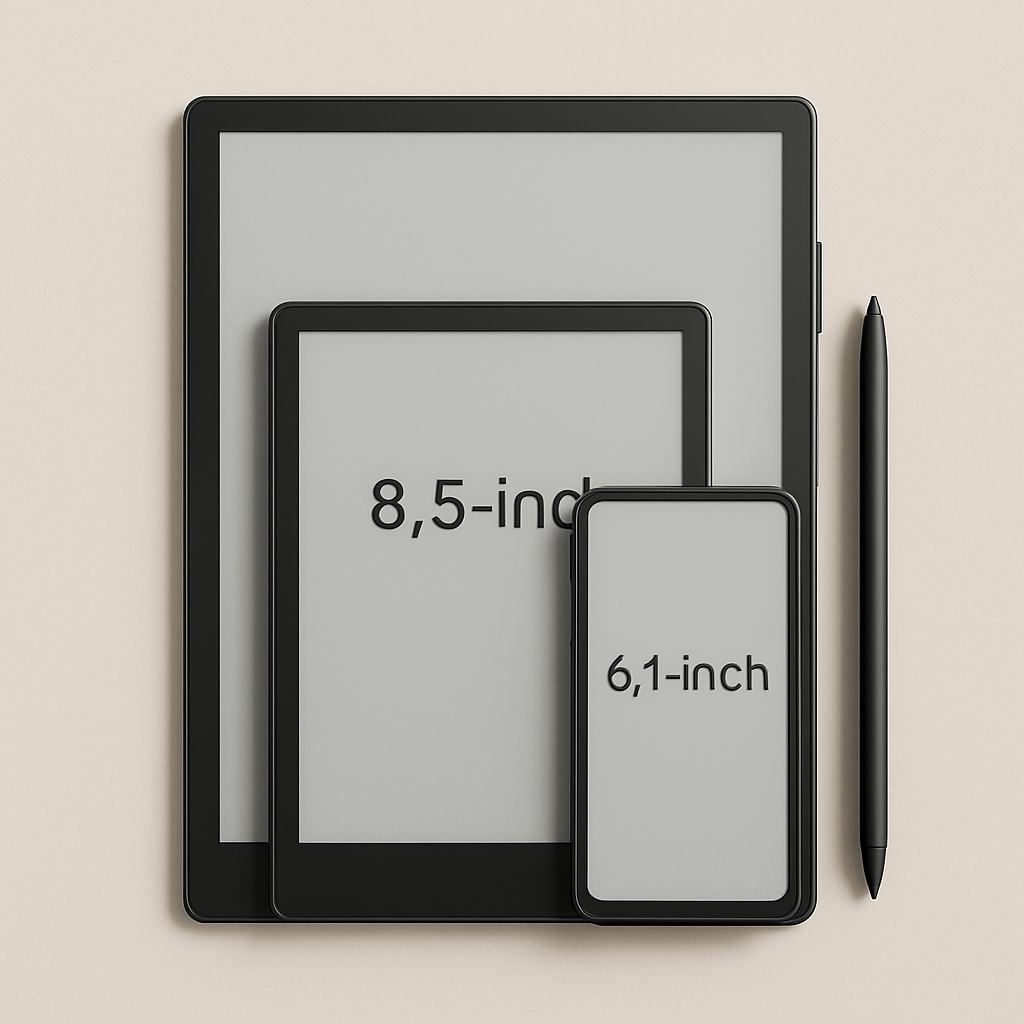
The Note Air6 C is the standout for now, going on sale immediately with a revamped processor, a 3,700 mAh battery, and an upgraded refresh rate said to boost performance by up to 40 percent—addressing a longtime issue with responsiveness in e-ink displays. It also includes Dual Notes mode for annotating two documents in split-screen, along with new AI tools for handwriting transcript conversion and document scanning. The device sports a 10.3-inch color e-ink screen that works with Boox’s Pen3 stylus, and a front light with adjustable color temperature for better viewing across lighting conditions.
The Note Mini C brings similar tech in a smaller 8.52-inch form. It shares the Kaleido 3 color display, front lights, and octa-core chip, but with a slightly smaller battery at 3,150 mAh to support its more portable size. It has yet to be released, and pricing aligns with the Note Air6 C once available.
Palma 3: a compact rethink
Palma 3 is the most compact device of the bunch, featuring a 6.13-inch display and a major body redesign. Unlike previous Palma models, this one sports an anodized aluminum frame and a paper-textured fiberglass back panel—shifting away from plastic. Internal capacity is pegged at 3,950 mAh, matching earlier versions of Palma. Boox hasn’t confirmed when the Palma 3 will hit the market.
Pricing and availability
Boox has provided pricing for all three: Note Air6 C starts at $579 and is already available. Note Mini C will also be $579 at launch. Palma 3 is set at $339. The Air6 C leads the charge with immediate availability, while the Mini C and Palma 3 are to be released later, though no specific dates have been provided.
This lineup reflects Boox betting on Android 16 as a baseline OS for e-ink devices, even as the wider Android world moves past it. With performance improvements, better build materials, and new AI features, Boox is aiming to close the gap between e-ink tablets and more conventional slates for reading, note-taking, and productivity.
Analysis: Boox’s newest models underscore the rising demand for e-ink devices that function more like full-blown tablets—fast, capable, and stylish. Android 16 as the foundation means better app compatibility and newer software features, while upgrades in refresh rate and build quality point to evolving user expectations. What to watch: benchmarks for battery life under heavy use, how Boox’s AI tools compare to mainstream tablet offerings, and what return the Palma 3 generates as a small-form e-ink option. These launches could be a turning point not just for Boox but for the e-ink industry at large.