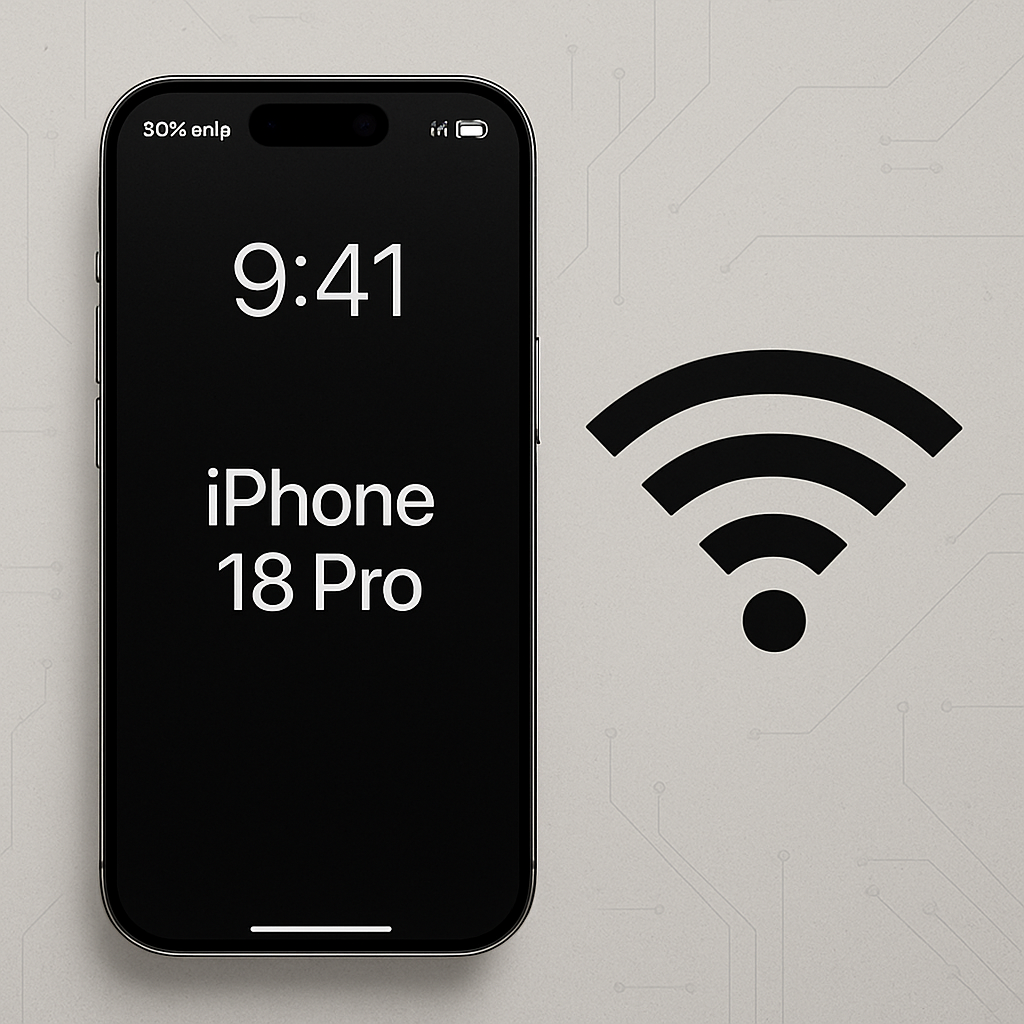
A small number of iPhone 18 Pro and iPhone 18 Pro Max owners using AT&T are reporting that they can’t make or receive cellular calls. The newest iPhones work fine using Wi-Fi Calling, but on traditional cellular networks the signal drops to SOS or fluctuates wildly, effectively cutting off voice service while connected via the carrier. In some cases, the issue began immediately after activation.
What We Know So Far
The problem appears to stem from eSIM configurations on AT&T, which is the authentication method many iPhone 18 Pro users are relying on instead of physical SIMs. AT&T has admitted the issue exists, but Apple has not yet publicly responded. Affected users are scattered, and reports suggest it isn’t widespread.
Some affected users say replacing their iPhone 18 Pro with an earlier model—like the iPhone 17 Pro Max—restores normal cellular calling service. Others are inside their 14-day return window and are considering exchanges. In user forums and Reddit threads, reports of temporary fixes and device replacements are mixed, with no clear universal solution yet.
Recommended Steps If You’re Affected
If your new iPhone 18 Pro isn’t working properly on AT&T, you’ll want to take action. First, contact both Apple and AT&T to report and document the problem, which can help with records in case you seek a fix, replacement, or refund. Apple offers multiple official support options, and AT&T provides a device help center and dedicated iPhone app for troubleshooting and account assistance.
Also worth noting: AT&T has stated that it does not plan to support Apple’s new Handoff feature that allows two iPhones to share a single number, even after this bug is addressed. That feature was introduced in iOS 27 but will not be available through AT&T at this time.
Another issue plaguing early adopters, unrelated to cellular calling, is a bug with Face ID on iPhone 18 Pro models that causes spontaneous reboots. Apple is said to be preparing an update in iOS 27 to address that. Though it’s separate, many users are experiencing both together, compounding the frustration.
Issues include:
• Cellular calling fails, shows SOS only or weak signal
• Wi-Fi Calling still works
• Likely linked to eSIM setup vs. physical SIM
• AT&T acknowledges issue; Apple has not yet responded with a fix
You’ll want to closely track Apple’s iOS updates and AT&T’s carrier settings updates. If you’re eligible, replacing the device may be necessary. Meanwhile, use Wi-Fi Calling where available.
For others, whether this becomes a broader problem depends on if AT&T or Apple acknowledge a systematic issue and roll out a fix or compromise—for instance, offering physical SIM support or patches. Until then, expect inconsistencies and potentially more accounts from early users.
Big Picture
It’s not uncommon for new device launches—especially with features like eSIM—to encounter early hiccups. Yet for premium models like the iPhone 18 Pro, which package eSIM more centrally, such issues can erode user confidence. The reliance on newer technologies increases risk when carriers’ systems and Apple’s hardware or firmware aren’t fully aligned from day one.
This isn’t just about call drops. It’s about trust in the devices we depend on daily. When a phone doesn’t reliably connect to carriers right out of the box, questions emerge: how fast will fixes arrive, how transparent will both companies be, and how many users are affected? If unresolved, it could lead to stronger demand for alternatives—physical SIMs, different carriers, or even delay purchases until issues are ironed out.
For now: if you own an iPhone 18 Pro or Pro Max on AT&T and experience call failures, document everything, lean on Wi-Fi Calling, track updates, and consider replacement in the return window if needed. Your voice matters—literally.