Apple is gearing up to introduce what’s being called the “Home Hub”—a new smart home device designed to anchor its vision of an “intelligent personal hub” strategy. The concept was highlighted during Apple’s recent keynote when CEO John Ternus described the iPhone as their present hub for individuals, but teased a companion device for the home. The Home Hub, still under the project code J490, appears to fulfill that promise. It’s said to function as the central brain of a smart household, integrating device control, media, video calls and personalized information.
What We Know So Far
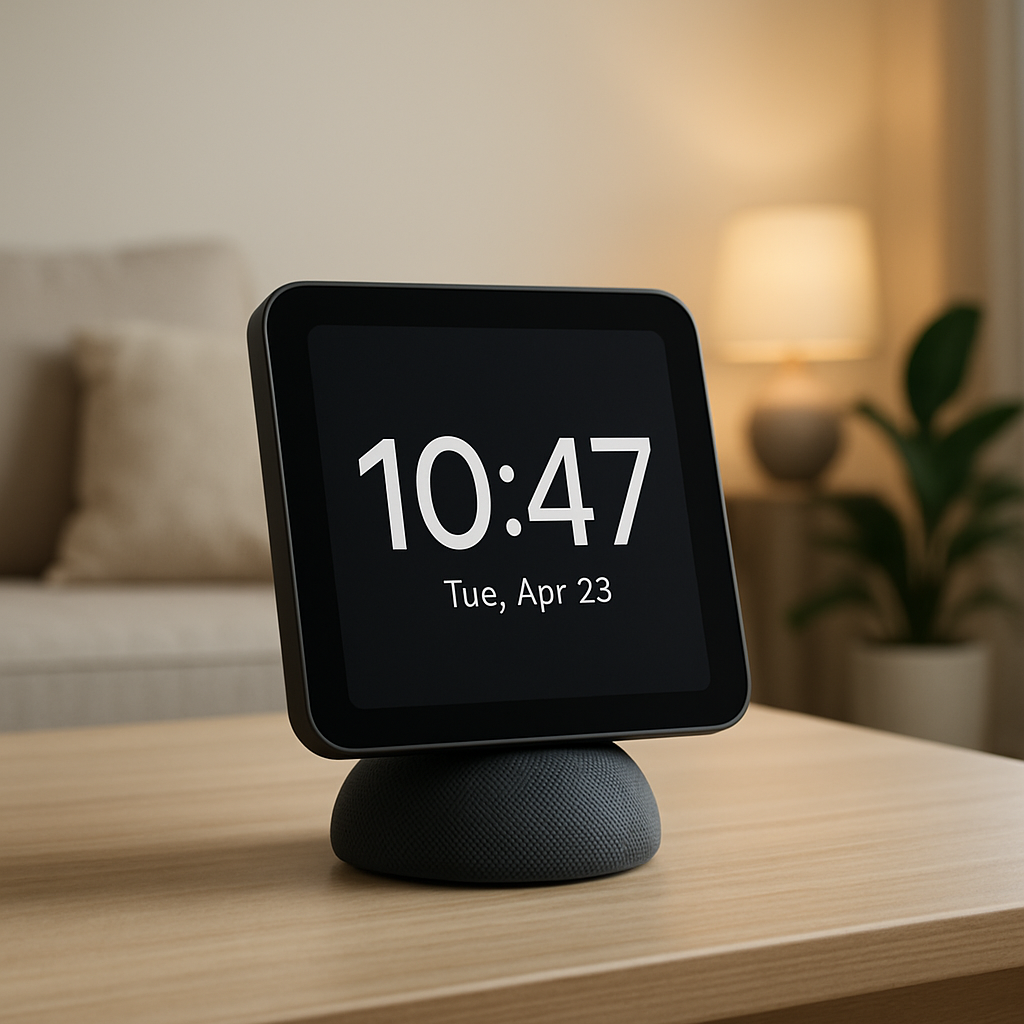
The operating system for Home Hub is expected to center around Siri and intelligent features like facial recognition, although not through Face ID–level sensors. The device will personalize content per user by recognizing faces, adapting the home screen and displayed widgets accordingly. Meanwhile, design mockups suggest a square-ish display that can sit on a desk atop a stand reminiscent of half of a HomePod mini, or be mounted on walls using magnets.
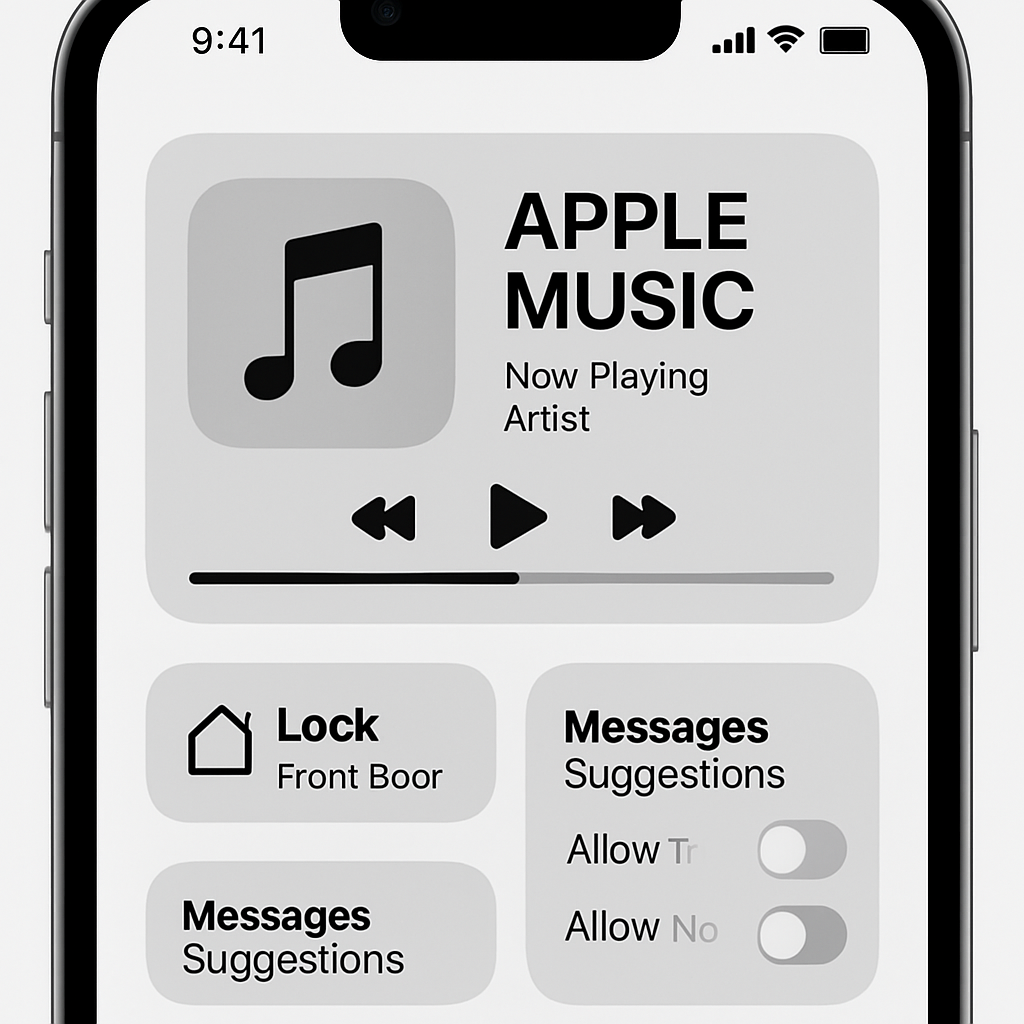
Functionally, the Home Hub aims to be more than just another smart display. It is positioned to pull together information from users’ devices and accounts, stream podcasts, music and media, and execute assistant tasks more precisely through Siri AI. The home screen will offer widgets, clocks, and individualized information based on who is interacting with it.
Release Timing and Context
Despite the growing buzz, Apple hasn’t pinned down a launch date yet. A fall release is suspected but not confirmed. The Home Hub is reportedly already in the hands of some Apple employees for testing.
This device also seems to strengthen Apple’s competitive posture versus other AI hardware initiatives. Observers believe that by advancing its intelligent hub strategy, Apple is aiming to counter rivals like the rumored OpenAI hardware offering. Ternus’ emphasis on the iPhone as the individual hub could also signal an effort to frame Apple’s vision before competitors fully materialize their own products.
Your Smart Home in Apple’s Ecosystem
The Home Hub reflects Apple’s long-running effort to build a smarter, more intuitive home environment. Following HomePod, HomeKit, AppleTV, and Siri updates, this device may serve as the nexus connecting them. By combining voice assistant, smart display, and home control into one product, Apple is pushing toward a future where the house itself adapts to you. Its sensor setup—minimal yet capable—echoes Apple’s ongoing preference for privacy and subtle sensing versus overt biometric features.
Despite many unknowns—price, full feature list, third-party integration, and the precise sensor hardware—Home Hub is shaping up to be more than just a new gadget. It could change how we think of control and presence in smart homes.
Analysis:If Apple delivers on Home Hub this fall, it could redefine the smart home category. Making the house itself aware represents a shift from smart devices reacting to commands toward intelligent anticipation of needs. Key things to watch: how deeply it integrates with Apple’s other software (especially Siri AI), whether it respects privacy while doing facial recognition, and if its price and availability make it compelling against existing smart displays. This product could either strengthen Apple’s consumer ecosystem lock-in—or simply end up as another nicety that only hardcore fans buy.