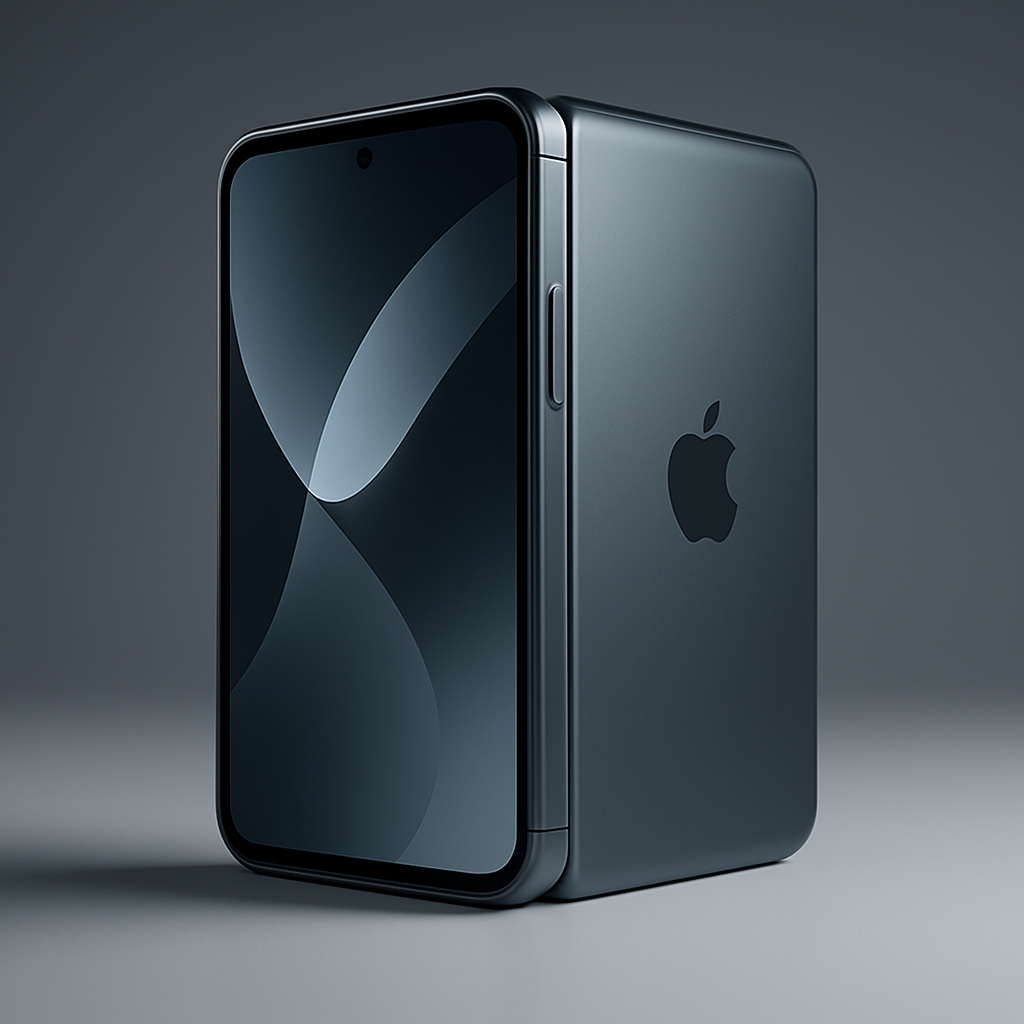
Apple’s recently unveiled foldable iPhone Duo didn’t come together overnight. In a new interview with TIME, John Ternus—Apple’s chief of hardware engineering—pulls back the curtain on the device’s lengthy development, early missteps in the foldable market, and how Apple believes it’s got the design right this time.
Why it took so long to launch iPhone Duo
Ternus revealed that Apple first explored foldable phone technology as far back as 2011, well before flexible devices became mainstream. He and a small team filed a patent for foldable electronics, experimenting with pliable batteries and circuit boards even then, behind early OLED flexible display projections. These early R&D efforts laid the groundwork for what would eventually become the iPhone Duo. But despite prototypes and early ambitions, Apple watched others release foldables first—something Ternus says was inevitable given the engineering challenges.
A big part of the delay stemmed from Apple’s desire not just to ship a foldable, but to do it exceptionally well. Internal debates centered on how the hinge should feel, how much of a crease should be visible, and whether the outer surface materials could endure everyday wear. Apple didn’t want to settle for what Ternus bluntly described as “cheap and crappy” early attempts by competitors, believing that going to market without getting the design and materials right would tarnish the product’s reception rather than add to the foldable category.
Design innovations that define the Duo
Among the standout features: a custom nanotexture surface built from a specially formulated polymer and engineered to minimize visible creasing. Apple reportedly went through more than 100 precision components in the hinge alone to improve aesthetics and durability. This focus on material science and manufacturing processes was not just about durability, but about delivering a product that looks and feels premium, even in close inspection.
The interview also touched on other major Apple initiatives. On AI, Ternus reiterated that Apple Intelligence depends largely on Gemini. He emphasized that Apple doesn’t aim to build every component internally unless it delivers significant differentiation. On Siri, he pitched the voice assistant as having unique value because a phone holds more personal data and context than any other device. Ternus also admitted to running on a mix of adrenaline and caffeine in the lead up to Apple’s September event, implying little shutdown time as the product launches neared.
Previously reported by Bloomberg, Ternus has spent a good chunk of his time as CEO immersing himself in design work—regularly collaborating with industrial design and human-interface teams. That hands-on oversight helped shape Duo’s build and finish, especially when pushing the limits in foldable design.
Some may see the iPhone Duo as playing catch-up. But Ternus and Apple clearly believe they’ve leveraged years of research and development to go beyond what early foldables delivered. That confidence is rooted both in material innovation and in design choices Apple waited to feel fully satisfied with before releasing Duo.
What this means—and what to watch next: Apple has set a higher bar for foldables in terms of hinge engineering, materials, and user experience. Expect competitors to respond with tighter tolerances, better surfaces, and perhaps more deliberate delays in bringing foldables to market. The real test for Apple will come in user feedback—especially around durability, crease visibility, and whether the price reflects the engineering investment. How well the Duo lives up to its promise will influence whether “premium foldable” becomes a lasting category—or one more niche experiment.