Apple is reportedly preparing to release its long-anticipated smart home display as soon as October. Sources indicate that the company is pushing forward after earlier statements that the device would arrive by the end of 2026. This console is expected to unify several smart-home functions, including accessory control, media playback, and communication.
Two Models, One Square Screen
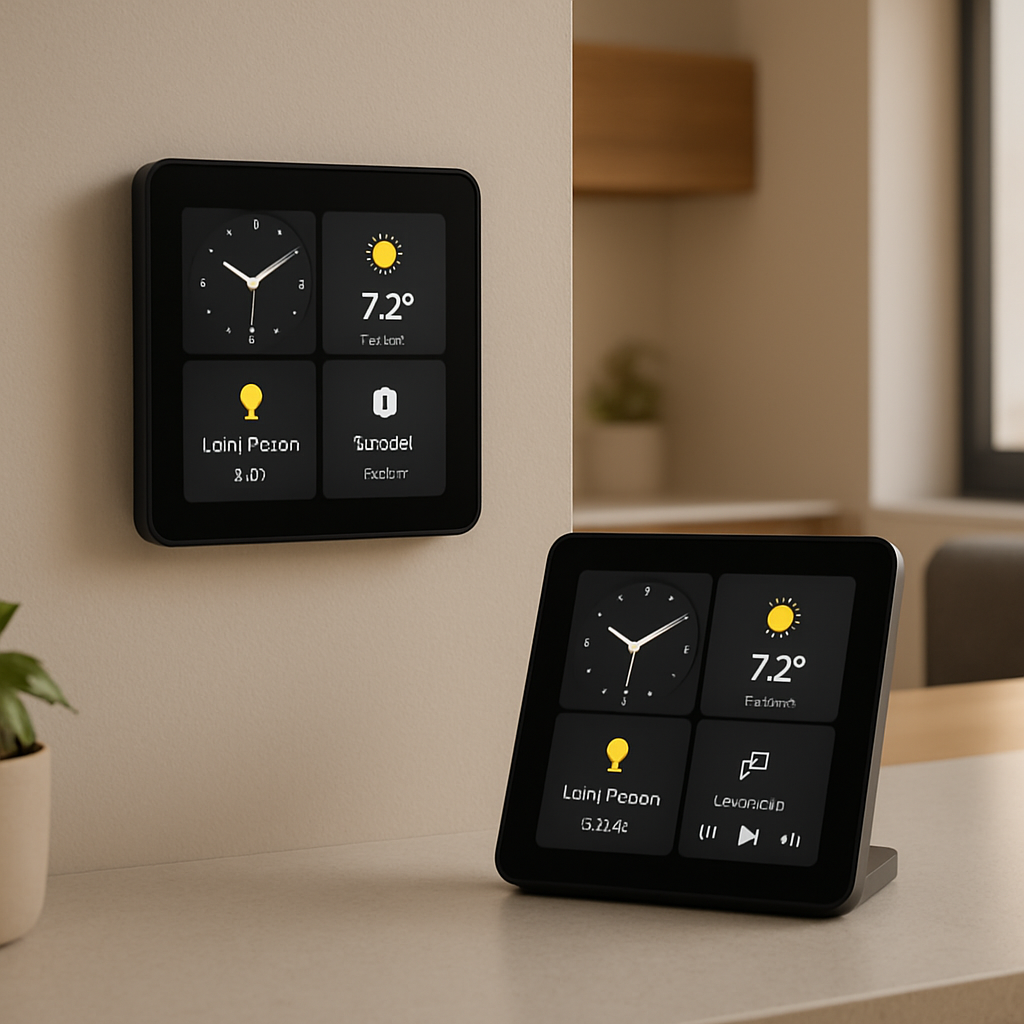
The display will come in two versions with a shared square front. One model, internally tagged “J490,” is designed to sit on a desk or countertop. The second, known as “J491,” is intended for wall mounting. Both were found in references within macOS Tahoe 26.7, adding weight to rumors about multiple formats. The screen itself is expected to be smaller than many Amazon Echo Show variants.
Under the hood, the product will run its own dedicated OS built around Siri AI. Visual touches will draw from iOS, tvOS, and watchOS, delivering a home screen structure with widgets, various clock styles, and persistent informational displays—even when the device isn’t in active use. Users will be able to search across their Apple ecosystem, access shared media and photos, and task Siri with app-based actions.
Camera, Features & Home Integration
One of the display’s standout features will be its camera, capable of recognizing individuals in the household. Once someone is identified, it will show personalized content—like calendar events, media preferences, and handpicked news—without relying on the depth-sensing tech used in Face ID.
Other capabilities in development include video calling, intercom functions, smart-home control, and access to core apps like Calendar, Notes, and Reminders. Setting the device up will require an iPhone, and several features will lean on connected services. The product’s launch has allegedly been delayed multiple times because the Siri-powered features weren’t ready—but with iOS 27 now released featuring Siri AI, those obstacles appear to be largely cleared.
This display is expected to be among the first major hardware products released under Apple’s current leadership. It aims to extend the company’s existing approach: keeping the iPhone central while building out a connected suite in the home—alongside Apple TV and HomePod—to tie together control, content, and convenience.
What this means:A smart home display from Apple could signal a shift in how users interact with devices at home. Unlike multi-function tablets or dedicated hubs with limited intelligence, this product is built around AI and personalization. If Apple nails the execution, it could change expectations for home interfaces—streamlining everything from voice control to situational awareness. Things to watch: how the camera handles privacy and recognition, whether Siri’s AI lives up to the hype, and whether app ecosystems truly support the kinds of interactions Apple is promising.