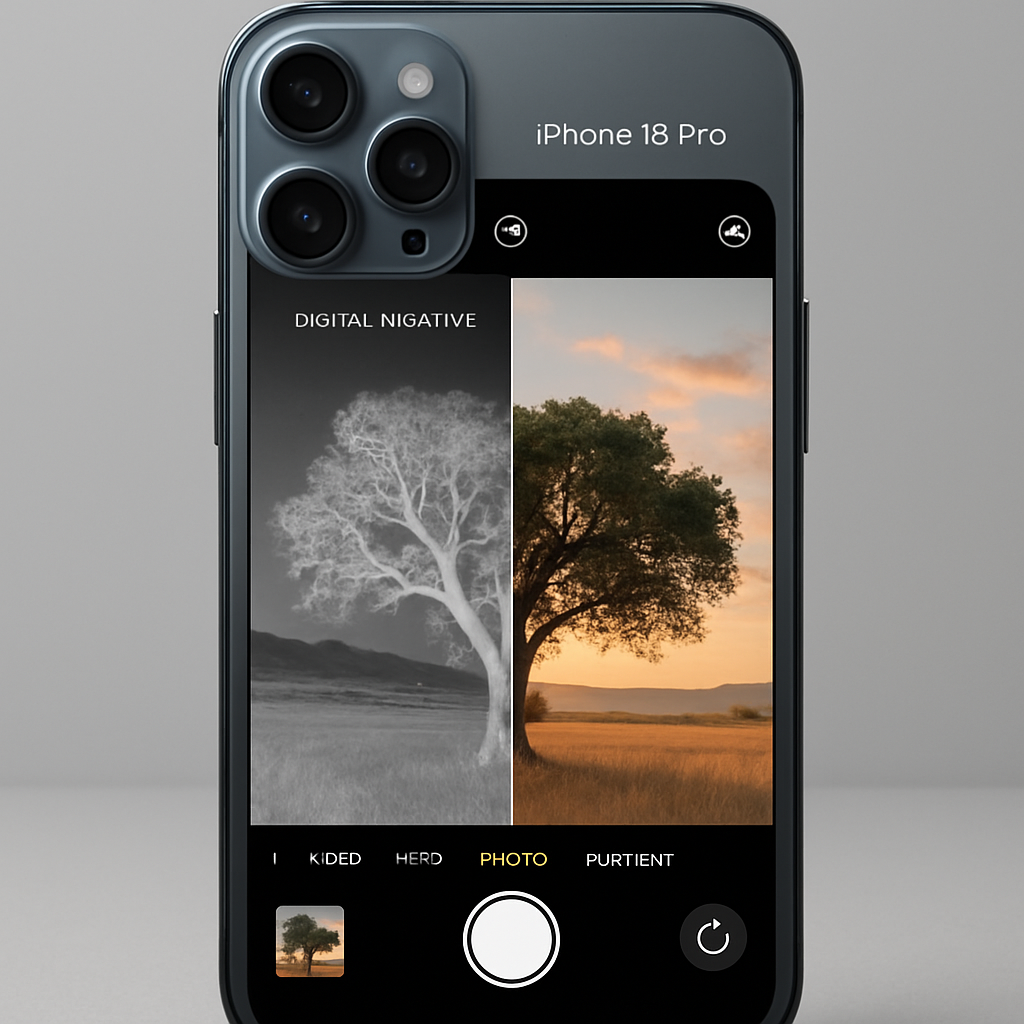
Apple has unveiled a feature called Reference Image, aimed at helping iPhone users prove the authenticity of their photos. Available on the new iPhone 18 Pro, it attaches signed sensor data—essentially what the camera truly saw at the moment the shutter was pressed. This “reference image” gets stored alongside the edited version, giving anyone a clear view of alterations made after capture. Apple designed this for photojournalists, creators, and regular users concerned with manipulated content and AI-generated fakes.
How It Works
Reference Image operates through a new optical sensor in the Main camera of the iPhone 18 Pro. When users shoot in “Reference mode,” the camera records signed data from each pixel it captures. This raw signed data is processed by Private Cloud Compute into a reference image that can’t be altered after creation. In Apple’s Photos app, this reference is shown beside the final photo, acting like a digital negative that lets viewers compare and verify whether edits were made.
Compatibility, Limits & Legal Boundaries
The feature is opt-in and will work initially only on the iPhone 18 Pro. References show up when editing within the OS or supported third-party apps, a capability enabled by APIs introduced in iOS 27, iPadOS 27, and macOS 27. These APIs will let other apps display the signed reference image as part of their interfaces.
Reference Image doesn’t—and wasn’t meant to—prove every claim about a photo. It confirms what the sensor saw and whether edits followed, but it doesn’t certify that a scene wasn’t staged or that descriptions about the context are accurate. It also doesn’t provide a safeguard if an image is generated to resemble an original scene from scratch.
Geographical Restrictions & Standards Integration
At launch, Reference Image won’t be offered in China. iPhone 18 Pro users in the European Union won’t be able to capture new reference images initially, though once captured—or for devices already running OS 27—images may still be viewed and processed. Later this year, Apple plans to support adoption of the SynthID standard, which helps trace edited content and identify AI-generated or transformed images. Whether a specific image gets tagged depends on the nature and degree of its alterations.
Reference Image was first spotted in beta code in August. Now official: the feature is included in iOS 27, iPadOS 27, and macOS 27, complete with developer APIs and metadata support. The broader goal appears to be establishing trust in visual media in a time of deepfakes and AI editing.
Why it matters: As manipulated images and AI-generated content increasingly blur reality online, tools that allow verification at the capture level become essential. Reference Image doesn’t solve every problem, but it sets a new baseline. What to watch for: how widely app developers embrace the APIs, how legal systems interpret these digital negatives, and whether regions excluded initially (like China or the EU) receive full support. If adopted broadly, this could reshape how we regard any photo posted online—turning “proof” of authenticity into a standard element of digital imagery.